



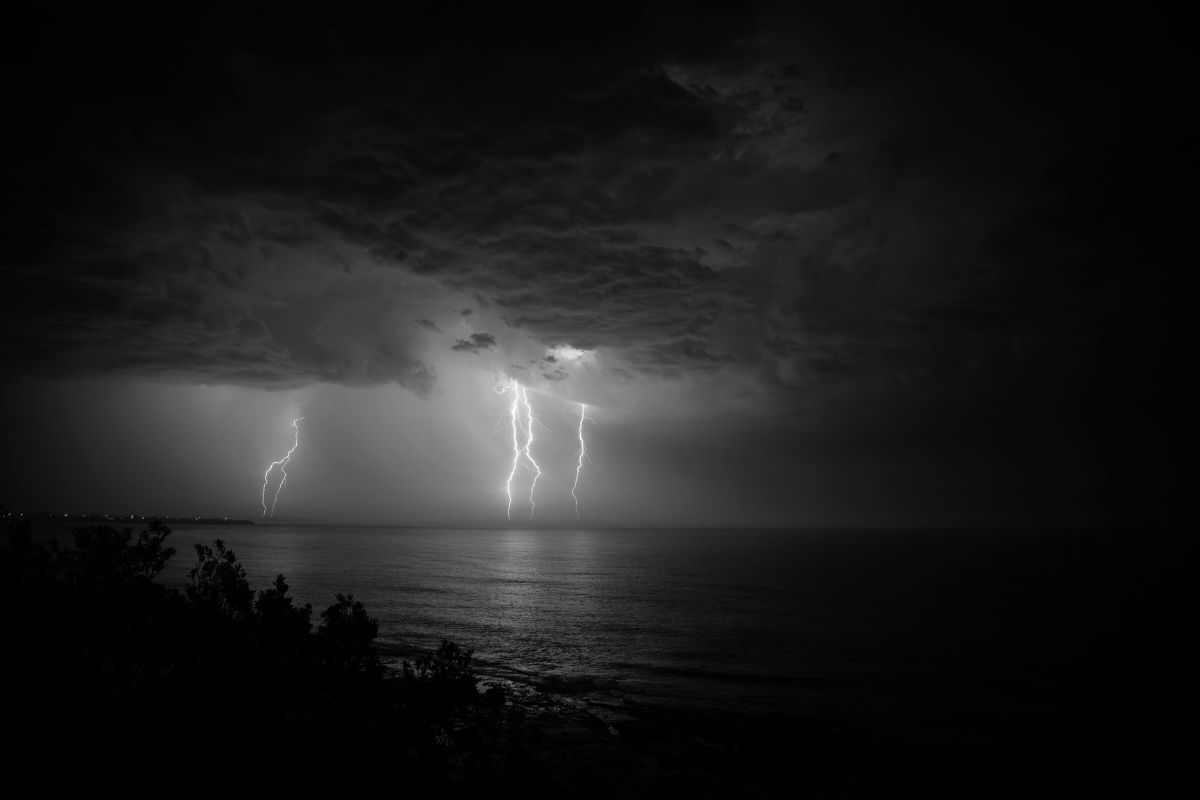
Storm warnings can be lifesavers, but how much do you really know about them? Storm warnings are alerts issued by meteorological agencies to inform the public about severe weather conditions. These warnings help people prepare for potential dangers like hurricanes, tornadoes, and blizzards. Storm warnings come in various forms, including watches, advisories, and warnings, each indicating a different level of threat. Understanding these alerts can make a huge difference in how you respond to severe weather. From the science behind predicting storms to the technology used in issuing alerts, there's a lot to learn. Let's dive into 25 fascinating facts about storm warnings that could help you stay safe and informed.
What Are Storm Warnings?
Storm warnings are alerts issued by meteorological agencies to inform the public about severe weather conditions. These warnings help people prepare for potential dangers and take necessary precautions.
-
Storm warnings are issued when severe weather conditions, like thunderstorms, hurricanes, or tornadoes, are expected to occur.
-
Meteorologists use advanced technology, such as satellites and radar, to predict storms and issue warnings.
-
Storm warnings can be broadcasted through various channels, including TV, radio, and mobile alerts.
-
Different types of storm warnings exist, such as severe thunderstorm warnings, tornado warnings, and hurricane warnings.
How Are Storm Warnings Issued?
The process of issuing storm warnings involves several steps, from data collection to public dissemination.
-
Weather data is collected using satellites, weather balloons, and ground-based sensors.
-
Meteorologists analyze this data to identify potential storm formations and their paths.
-
Computer models help predict the storm's intensity, speed, and direction.
-
Warnings are issued based on the predicted impact and severity of the storm.
Types of Storm Warnings
Different types of storms require specific warnings to ensure public safety.
-
Severe thunderstorm warnings are issued when thunderstorms are expected to produce large hail, damaging winds, or heavy rainfall.
-
Tornado warnings alert the public about the imminent formation of tornadoes, urging them to seek shelter immediately.
-
Hurricane warnings are issued when a hurricane is expected to make landfall within 36 hours.
-
Flash flood warnings inform people about sudden and severe flooding due to heavy rainfall.
Importance of Storm Warnings
Storm warnings play a crucial role in protecting lives and property.
-
Early warnings give people time to prepare and evacuate if necessary.
-
Businesses can take precautions to protect their assets and ensure the safety of their employees.
-
Emergency services can mobilize resources and plan their response strategies.
-
Schools and other institutions can decide whether to close or remain open based on the severity of the warning.
Historical Storm Warnings
Storm warnings have evolved significantly over the years, thanks to advancements in technology.
-
The first storm warning was issued in 1869 by the U.S. Army Signal Corps.
-
In 1950, the Weather Bureau began using radar to track storms and issue warnings.
-
The 1970s saw the introduction of Doppler radar, which improved the accuracy of storm predictions.
-
Today, satellite technology allows for real-time monitoring of storms from space.
How to Respond to Storm Warnings
Knowing how to respond to storm warnings can save lives and minimize damage.
-
Stay informed by monitoring weather updates through reliable sources.
-
Create an emergency kit with essentials like water, food, medications, and important documents.
-
Have a plan for where to go and what to do if a storm warning is issued.
-
Secure your property by bringing in outdoor furniture and securing windows and doors.
-
Follow instructions from local authorities and emergency services to ensure your safety.
Staying Safe in Storms
Understanding storm warnings can save lives. These alerts, issued by meteorologists, help communities prepare for severe weather. Knowing the difference between a watch and a warning is crucial. A watch means conditions are favorable for a storm, while a warning means a storm is imminent or occurring.
Technology plays a big role in tracking storms. Satellites, radars, and computer models provide real-time data. This info helps predict storm paths and intensity, giving people time to take cover.
Preparation is key. Have an emergency kit ready, know your evacuation routes, and stay informed through reliable sources like the National Weather Service. Simple steps can make a big difference.
By staying informed and prepared, you can protect yourself and your loved ones from the dangers of severe weather. Stay safe, stay alert, and always heed storm warnings.
Was this page helpful?
Our commitment to delivering trustworthy and engaging content is at the heart of what we do. Each fact on our site is contributed by real users like you, bringing a wealth of diverse insights and information. To ensure the highest standards of accuracy and reliability, our dedicated editors meticulously review each submission. This process guarantees that the facts we share are not only fascinating but also credible. Trust in our commitment to quality and authenticity as you explore and learn with us.