



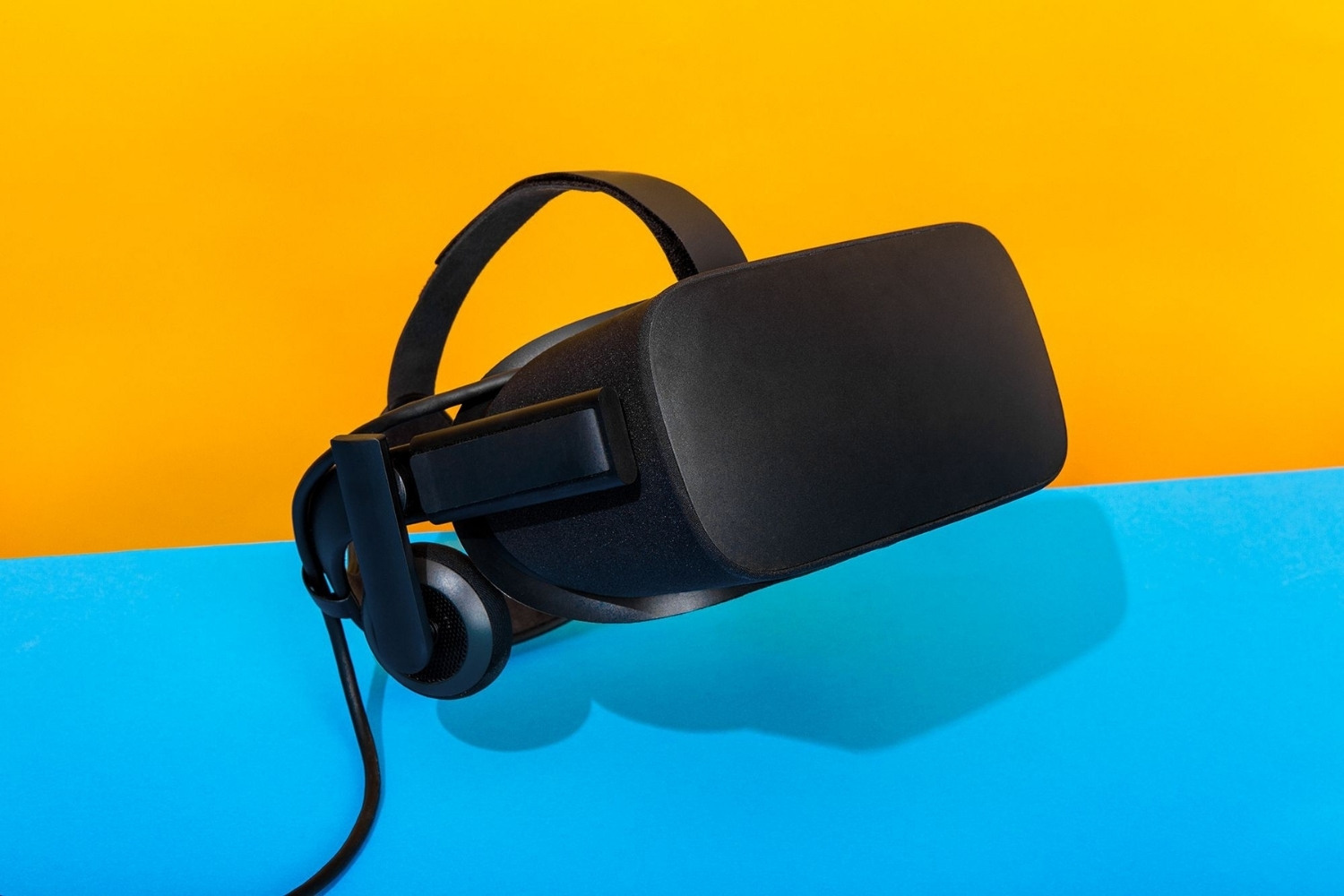
Virtual Reality (VR) has transformed from a sci-fi dream into a tangible part of our lives. But what exactly is VR? Virtual Reality is a computer-generated environment that lets users experience a different reality. By wearing a VR headset, users can immerse themselves in a 3D world, interact with objects, and feel like they are part of the scene. This technology is not just for gamers; it’s used in education, healthcare, and even space exploration. Imagine walking on Mars or performing a virtual surgery. VR offers endless possibilities, making it one of the most exciting advancements in tech today. Ready to learn more? Here are 25 facts about Virtual Reality that will blow your mind!
What is Virtual Reality?
Virtual Reality (VR) is a simulated experience that can be similar to or completely different from the real world. It uses computer technology to create a three-dimensional environment that users can interact with using special equipment like headsets and gloves. Here are some fascinating facts about VR:
-
The term "virtual reality" was coined by Jaron Lanier in the 1980s. Lanier is considered one of the pioneers of VR technology.
-
VR technology dates back to the 1960s. Morton Heilig created the Sensorama, a machine that provided a multi-sensory experience, including visuals, sound, and even smell.
-
The first VR headset was developed in 1968 by Ivan Sutherland and his student Bob Sproull. It was called the "Sword of Damocles" due to its cumbersome size and the way it was suspended from the ceiling.
How VR is Used Today
VR isn't just for gaming. It has a wide range of applications in various fields, from education to healthcare. Here are some ways VR is being used today:
-
VR is revolutionizing education by providing immersive learning experiences. Students can take virtual field trips to historical sites or explore the human body in 3D.
-
In healthcare, VR is used for surgical training and pain management. Surgeons can practice complex procedures in a risk-free environment, and patients can use VR to distract themselves from pain.
-
VR is also used in mental health treatment. Therapists use VR to treat conditions like PTSD and anxiety by exposing patients to controlled virtual environments.
VR in Entertainment and Gaming
When most people think of VR, they think of gaming. However, VR's impact on entertainment goes beyond just video games. Here are some interesting facts:
-
The first VR arcade game was "Dactyl Nightmare," released in 1991. It featured a multiplayer mode where players could battle each other in a virtual arena.
-
VR concerts are becoming increasingly popular. Artists like Marshmello and Travis Scott have performed virtual concerts attended by millions of fans worldwide.
-
VR is also used in filmmaking. Directors can create 360-degree movies that allow viewers to look around and explore the scene from different angles.
The Technology Behind VR
Understanding the technology that powers VR can make you appreciate it even more. Here are some technical facts:
-
VR headsets use a combination of sensors, accelerometers, and gyroscopes to track head movements and provide a seamless experience.
-
High-quality VR experiences require a high frame rate, usually around 90 frames per second, to prevent motion sickness.
-
VR systems often use haptic feedback to enhance immersion. Haptic gloves and suits can simulate the sense of touch, making virtual interactions feel more real.
Challenges and Future of VR
Despite its many advantages, VR still faces several challenges. However, the future looks promising. Here are some facts about the challenges and future of VR:
-
One of the biggest challenges is motion sickness. Some users experience nausea and dizziness when using VR headsets for extended periods.
-
VR technology is still relatively expensive. High-quality VR headsets and equipment can cost hundreds or even thousands of dollars.
-
The future of VR includes advancements like wireless headsets and improved graphics. Companies are also working on making VR more accessible and affordable.
Fun and Surprising VR Facts
VR is full of surprises. Here are some fun and lesser-known facts about VR:
-
VR can trick your brain into thinking you're somewhere else. This phenomenon is known as "presence," and it's a key goal of VR developers.
-
Some VR experiences are so realistic that they can trigger real-life physical reactions. For example, people have been known to scream or jump when encountering virtual heights or scary creatures.
-
VR can be used for virtual tourism. You can explore famous landmarks and exotic locations without leaving your home.
VR and Social Interaction
VR is changing the way we interact with others. Here are some facts about VR and social interaction:
-
Social VR platforms like VRChat and AltspaceVR allow users to meet and interact with people from around the world in virtual environments.
-
VR can be used for remote work and collaboration. Teams can hold virtual meetings and work together on projects in a shared virtual space.
-
VR is also being used for virtual dating. Couples can go on virtual dates and explore virtual worlds together.
VR in Sports and Fitness
VR is making waves in the world of sports and fitness. Here are some facts about how VR is being used in these fields:
-
Athletes use VR for training and performance analysis. They can practice plays and strategies in a virtual environment, allowing for more effective training.
-
VR fitness apps are becoming popular. These apps offer virtual workouts that can make exercise more engaging and fun.
-
VR is also used in sports broadcasting. Fans can watch games from a virtual seat in the stadium, providing a more immersive viewing experience.
The Impact of VR on Society
VR has the potential to impact society in many ways. Here are some facts about its societal impact:
- VR can be used for social good. For example, it can raise awareness about important issues by providing immersive experiences that highlight social and environmental challenges.
The Future of VR
Virtual Reality is more than just a tech fad. It's reshaping how we experience entertainment, education, and even social interactions. From immersive gaming to virtual classrooms, VR is opening doors to new possibilities. As technology advances, VR will become more accessible and integrated into our daily lives. It's not just about wearing a headset; it's about transforming our perception of reality. With continuous innovation, the potential applications are endless. Whether you're a gamer, a student, or just curious, VR offers something for everyone. Keep an eye on this evolving technology, as it's set to change the way we see the world. Dive into VR and explore the limitless opportunities it presents. The future is virtual, and it's here to stay.
Was this page helpful?
Our commitment to delivering trustworthy and engaging content is at the heart of what we do. Each fact on our site is contributed by real users like you, bringing a wealth of diverse insights and information. To ensure the highest standards of accuracy and reliability, our dedicated editors meticulously review each submission. This process guarantees that the facts we share are not only fascinating but also credible. Trust in our commitment to quality and authenticity as you explore and learn with us.