

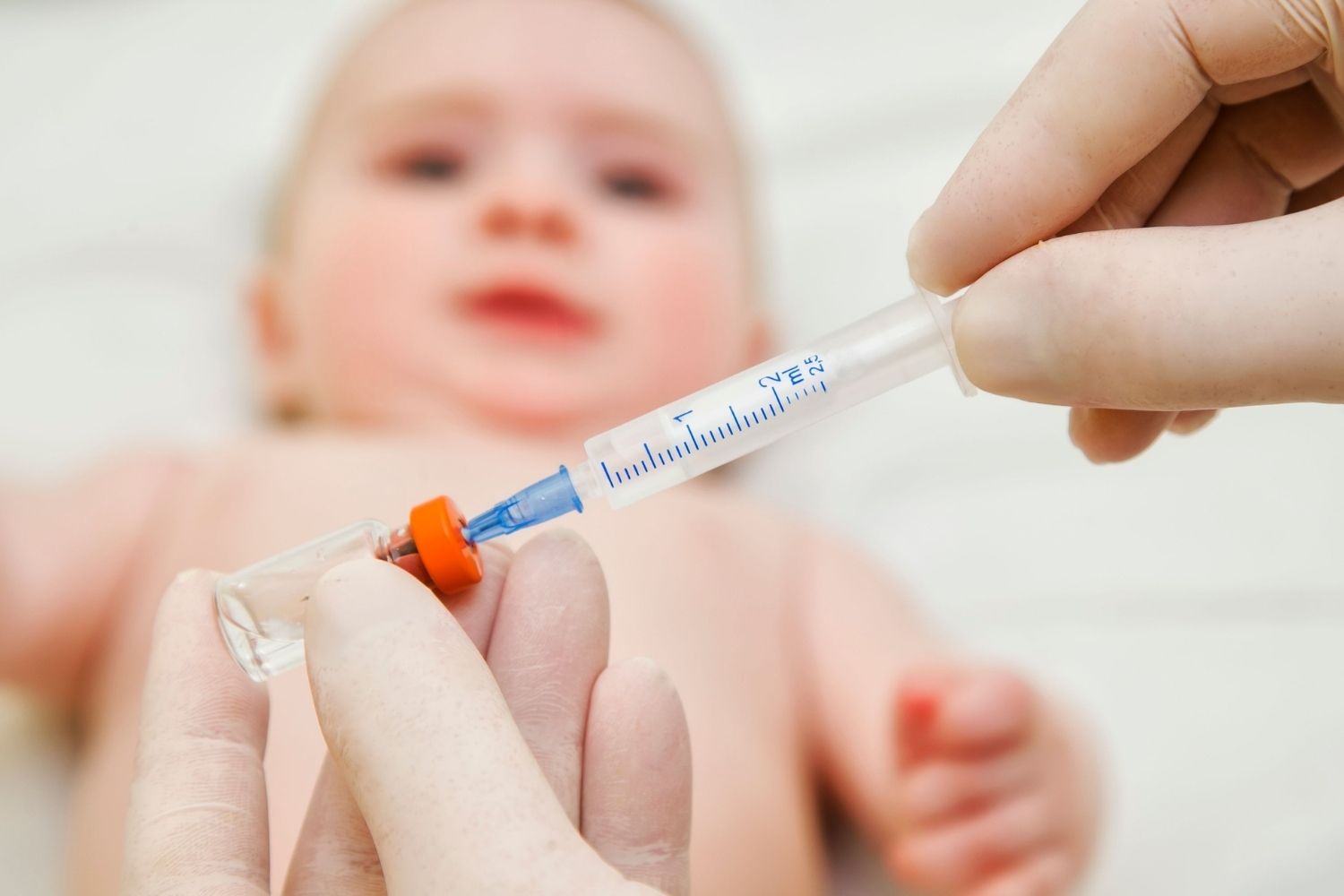
Why are childhood vaccines important in Denmark? Childhood vaccines in Denmark play a crucial role in safeguarding public health. Vaccines protect kids from serious diseases like measles, mumps, and rubella. By immunizing children, Denmark ensures fewer outbreaks and healthier communities. The Danish vaccination program is comprehensive, covering a range of diseases to keep children safe. Parents can rest easy knowing their kids are protected from illnesses that once caused widespread suffering. Vaccination also helps protect those who can't get vaccinated due to medical reasons, creating a safer environment for everyone. In Denmark, childhood vaccines are a key part of a healthy start in life.
Denmark's Childhood Vaccination Program
Denmark has a robust childhood vaccination program designed to protect children from various infectious diseases. This program is comprehensive and ensures high vaccination coverage across the country.
-
Denmark's childhood vaccination program is free for all children. This ensures that every child, regardless of their family's financial situation, has access to essential vaccines.
-
The program includes vaccines against 10 different diseases. These diseases include diphtheria, tetanus, whooping cough, polio, Haemophilus influenzae type b, measles, mumps, rubella, pneumococcal disease, and human papillomavirus (HPV).
-
Vaccination coverage in Denmark is over 90%. High coverage rates help achieve herd immunity, protecting even those who cannot be vaccinated due to medical reasons.
Vaccination Schedule
The Danish vaccination schedule is carefully planned to provide timely protection for children. It outlines when each vaccine should be administered.
-
The first vaccine is given at 3 months of age. This early start helps protect infants from serious diseases like diphtheria and tetanus.
-
Booster doses are included in the schedule. These boosters ensure long-lasting immunity against diseases such as whooping cough and polio.
-
The MMR vaccine is given at 15 months and again at 4 years. This two-dose schedule provides strong protection against measles, mumps, and rubella.
Vaccine Safety and Monitoring
Ensuring the safety of vaccines is a top priority in Denmark. The country has rigorous systems in place to monitor and ensure vaccine safety.
-
Vaccines undergo extensive testing before approval. This includes clinical trials to assess their safety and effectiveness.
-
Denmark has a national vaccine registry. This registry tracks vaccination coverage and helps identify any potential issues with vaccine safety.
-
Adverse events following immunization are closely monitored. Healthcare providers report any side effects, which are then investigated to ensure they are not related to the vaccine.
Public Health Impact
Vaccination has a significant impact on public health in Denmark. It helps prevent outbreaks and protects vulnerable populations.
-
Denmark has eliminated polio through vaccination. The last case of polio in Denmark was reported in 1976.
-
Measles cases are rare in Denmark. High vaccination coverage has led to a significant reduction in measles outbreaks.
-
Vaccination has reduced the incidence of whooping cough. This disease, which can be severe in infants, is now much less common thanks to widespread vaccination.
Parental Involvement
Parents play a crucial role in the success of the vaccination program. Their understanding and cooperation are essential for maintaining high vaccination rates.
-
Parents receive reminders for upcoming vaccinations. These reminders help ensure that children receive their vaccines on time.
-
Information about vaccines is readily available to parents. Healthcare providers and public health campaigns provide clear and accurate information about the benefits and safety of vaccines.
-
Parents can consult with healthcare providers about vaccines. This helps address any concerns or questions they may have, ensuring they feel confident in their decision to vaccinate their children.
Global Comparisons
Denmark's vaccination program is often compared to those in other countries. These comparisons highlight the strengths and areas for improvement in different vaccination programs.
-
Denmark's vaccination coverage is among the highest in Europe. This high coverage helps protect the population from vaccine-preventable diseases.
-
The Danish vaccination schedule is similar to those in other developed countries. This consistency helps ensure that children receive the same level of protection regardless of where they live.
-
Denmark participates in international vaccination initiatives. These initiatives help improve vaccination coverage and disease control globally.
Challenges and Future Directions
Despite the success of the vaccination program, there are still challenges to address. Continuous efforts are needed to maintain and improve vaccination coverage.
-
Vaccine hesitancy is a growing concern. Some parents are hesitant to vaccinate their children due to misinformation or concerns about vaccine safety.
-
Efforts are being made to address vaccine hesitancy. Public health campaigns and education initiatives aim to provide accurate information and build trust in vaccines.
-
New vaccines are being developed and introduced. These vaccines will help protect against additional diseases and improve overall public health.
Special Vaccination Programs
In addition to the routine childhood vaccination program, Denmark has special vaccination programs for certain groups.
-
The HPV vaccine is offered to both girls and boys. This vaccine helps prevent cervical cancer and other HPV-related diseases.
-
Influenza vaccination is recommended for children with certain medical conditions. This helps protect vulnerable children from severe flu complications.
-
Travel vaccines are available for children traveling to certain countries. These vaccines protect against diseases that are not common in Denmark but may be present in other parts of the world.
Conclusion
Denmark's childhood vaccination program is a model of success. It provides comprehensive protection against many infectious diseases, ensuring the health and well-being of children across the country.
- Continuous monitoring and improvement are key to the program's success. By staying vigilant and adapting to new challenges, Denmark can maintain high vaccination coverage and protect future generations from vaccine-preventable diseases.
The Final Word on Denmark's Childhood Vaccines
Denmark's childhood vaccination program is a model of efficiency and effectiveness. With high vaccination rates, the country ensures its young population is well-protected against various diseases. The program includes vaccines for measles, mumps, rubella, polio, and more, all provided free of charge. This commitment to public health has led to low incidences of these illnesses, contributing to Denmark's reputation for excellent healthcare.
Parents in Denmark can rest easy knowing their children are safeguarded by a robust vaccination schedule. The country's approach emphasizes accessibility, education, and community health. By maintaining high vaccination coverage, Denmark not only protects individual children but also strengthens herd immunity, benefiting society as a whole.
Understanding these facts about Denmark's childhood vaccines highlights the importance of comprehensive immunization programs. It's clear that Denmark's proactive stance on vaccinations plays a crucial role in maintaining public health and preventing outbreaks.
Was this page helpful?
Our commitment to delivering trustworthy and engaging content is at the heart of what we do. Each fact on our site is contributed by real users like you, bringing a wealth of diverse insights and information. To ensure the highest standards of accuracy and reliability, our dedicated editors meticulously review each submission. This process guarantees that the facts we share are not only fascinating but also credible. Trust in our commitment to quality and authenticity as you explore and learn with us.