


Ever wondered how the Metropolitan Transportation Authority (MTA) keeps New York City moving? The MTA is a massive network that includes subways, buses, and commuter railroads. It's the lifeline for millions of New Yorkers daily. From its origins in the early 20th century to its modern-day operations, the MTA has a rich history filled with interesting facts. Did you know the MTA operates the largest public transportation system in North America? Or that it has over 6,400 subway cars? Whether you're a daily commuter or just curious about this iconic system, these 30 facts will give you a deeper appreciation for the MTA's role in urban life. Buckle up and get ready to learn!
The Birth of the MTA
The Metropolitan Transportation Authority (MTA) is a crucial part of New York City's daily life. It has a rich history and many interesting aspects that make it unique.
- The MTA was established in 1965 to oversee public transportation in the New York metropolitan area.
- It was created to manage the New York City Transit Authority, the Triborough Bridge and Tunnel Authority, and the Long Island Rail Road.
The Subway System
New York City's subway system is one of the most iconic in the world. Here are some fascinating facts about it.
- The first subway line opened on October 27, 1904, running from City Hall to 145th Street.
- The subway system has 472 stations, making it the largest in the world by number of stations.
- Trains run 24/7, a rarity among major cities' subway systems.
- The longest subway line is the A train, stretching 31 miles from Inwood to Far Rockaway.
- The shortest line is the S train, also known as the 42nd Street Shuttle, which is just 0.8 miles long.
Ridership and Operations
The MTA handles millions of passengers every day. Let's look at some numbers and operations.
- On an average weekday, the subway system carries over 5 million passengers.
- The busiest station is Times Square-42nd Street, with over 65 million annual riders.
- The MTA employs over 70,000 people to keep the system running smoothly.
- The fare for a single ride is $2.75, but various passes and discounts are available.
Innovations and Technology
The MTA has embraced technology to improve the rider experience and system efficiency.
- The introduction of the MetroCard in 1993 replaced tokens and streamlined fare collection.
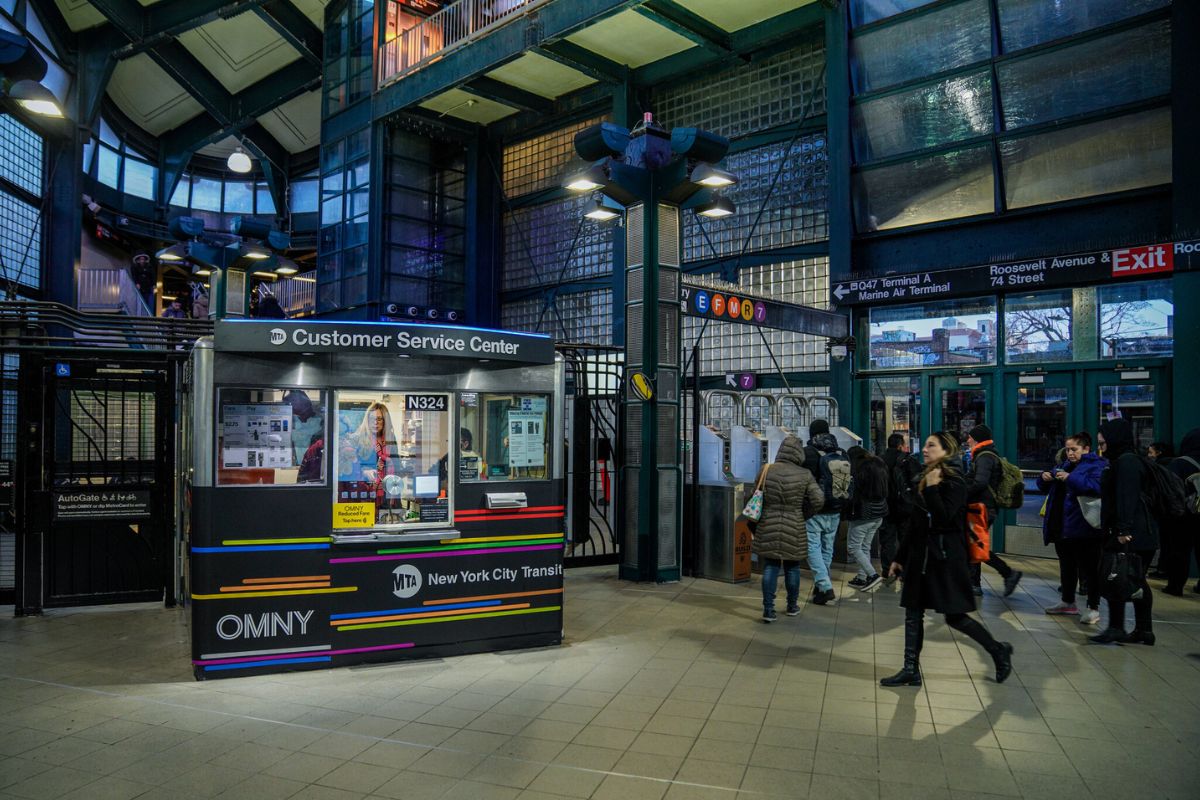
- The MTA is currently phasing in the OMNY contactless payment system, allowing riders to pay with a tap of their phone or card.
- Real-time train tracking is available through the MTA's website and various apps.
- The MTA has installed Wi-Fi and cellular service in most subway stations.
Challenges and Improvements
Running such a vast system comes with its challenges, but the MTA is constantly working on improvements.
- The MTA faces an annual budget of over $16 billion, with funding from fares, tolls, and government subsidies.
- Superstorm Sandy in 2012 caused significant damage to the system, leading to extensive repairs and upgrades.
- The MTA has a Capital Program aimed at modernizing the system, including new trains, signal upgrades, and station renovations.
- Accessibility is a priority, with ongoing efforts to make more stations wheelchair accessible.
Environmental Impact
Public transportation plays a significant role in reducing the city's carbon footprint.
- The MTA's buses and trains help reduce the number of cars on the road, cutting down on traffic congestion and pollution.
- The MTA has introduced hybrid and electric buses to its fleet to further reduce emissions.
- The subway system saves approximately 17 million gallons of gasoline annually by providing an alternative to driving.
Fun and Quirky Facts
The MTA has its share of fun and quirky facts that add to its charm.
- The "Miss Subways" beauty contest ran from 1941 to 1976, featuring everyday women who rode the subway.
- The MTA has its own police force, the MTA Police Department, established in 1998.
- Grand Central Terminal, managed by the MTA, has a hidden tennis court on its fourth floor.
- The subway's "Lost and Found" department handles over 50,000 items annually.
- The MTA's Arts & Design program commissions artists to create public art in stations, making commutes more visually appealing.
Future Plans
The MTA is always looking ahead to improve and expand its services.
- The Second Avenue Subway, first proposed in 1920, saw its first phase completed in 2017, with more phases planned.
- The East Side Access project will connect the Long Island Rail Road to Grand Central Terminal, expected to open in 2022.
- The MTA is exploring the use of autonomous trains to increase efficiency and safety in the future.
Final Thoughts on the MTA
The MTA is more than just a transit system; it's a lifeline for millions. From its historic beginnings to its modern innovations, the MTA has evolved to meet the needs of New Yorkers. It's fascinating to see how it operates, the sheer scale of its network, and the dedication of those who keep it running. Whether you're a daily commuter or an occasional rider, understanding these facts can give you a deeper appreciation for this vital service. Next time you hop on a subway or bus, remember the incredible effort behind the scenes. The MTA isn't just about getting from point A to B; it's about connecting people, places, and communities. So, here's to the MTA and its ongoing journey to improve and innovate for the future.
Was this page helpful?
Our commitment to delivering trustworthy and engaging content is at the heart of what we do. Each fact on our site is contributed by real users like you, bringing a wealth of diverse insights and information. To ensure the highest standards of accuracy and reliability, our dedicated editors meticulously review each submission. This process guarantees that the facts we share are not only fascinating but also credible. Trust in our commitment to quality and authenticity as you explore and learn with us.