



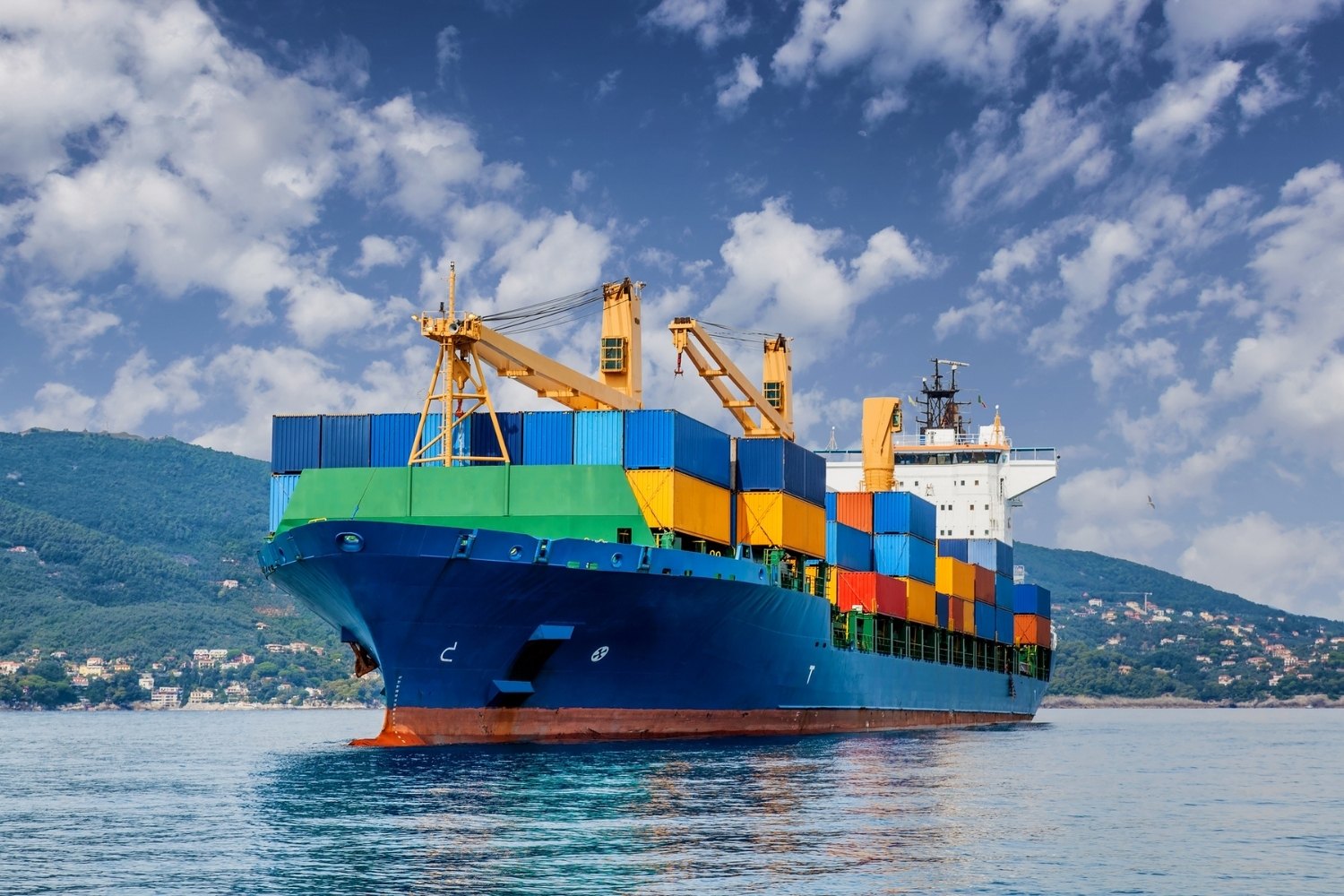
Shipping containers are everywhere, but how much do you really know about them? These metal boxes have revolutionized global trade, making it easier and cheaper to move goods across the world. Did you know that the first modern shipping container was invented in 1956 by Malcolm McLean? Since then, they've become the backbone of international commerce. From their standardized sizes to their impact on the environment, there's a lot to uncover. Ever wondered how many containers are lost at sea each year or what happens to old ones? Let's dive into 25 fascinating facts about these essential cargo carriers.
The History of Shipping
Shipping has a rich history that spans centuries. Let's dive into some fascinating facts about its origins and evolution.
- The first known sea voyage took place around 3200 BCE by the ancient Egyptians. They used reed boats to navigate the Nile River.
- The Phoenicians, around 1200 BCE, were among the first to develop extensive trade networks across the Mediterranean Sea.
- The Vikings, famous for their longships, began their seafaring expeditions around 800 CE, reaching as far as North America.
- The Age of Exploration, starting in the 15th century, saw European nations like Spain and Portugal exploring new trade routes to Asia and the Americas.
- The first steamship, the "Clermont," was launched by Robert Fulton in 1807, revolutionizing maritime travel and trade.
Modern Shipping Industry
Today's shipping industry is a complex and vital part of the global economy. Here are some intriguing facts about modern shipping.
- Over 90% of the world's trade is carried by sea, making shipping the backbone of international commerce.
- The largest container ship in the world, the "HMM Algeciras," can carry over 23,000 twenty-foot equivalent units (TEUs).
- The Panama Canal, completed in 1914, significantly shortened the maritime route between the Atlantic and Pacific Oceans.
- The Suez Canal, opened in 1869, connects the Mediterranean Sea to the Red Sea, allowing ships to avoid the long journey around Africa.
- The shipping industry employs over 1.5 million seafarers worldwide, highlighting its importance in providing jobs.
Environmental Impact of Shipping
Shipping has a significant impact on the environment. Let's explore some key facts about its ecological footprint.
- Shipping is responsible for approximately 3% of global CO2 emissions, a major contributor to climate change.
- The International Maritime Organization (IMO) has set a target to reduce CO2 emissions from shipping by at least 50% by 2050.
- Ballast water from ships can introduce invasive species to new environments, disrupting local ecosystems.
- The use of heavy fuel oil in ships contributes to air pollution, releasing sulfur oxides and particulate matter.
- The shipping industry is investing in cleaner technologies, such as liquefied natural gas (LNG) and electric propulsion, to reduce its environmental impact.
Shipping Routes and Trade
Shipping routes are the lifelines of global trade. Here are some interesting facts about these vital pathways.
- The Strait of Malacca, between Malaysia and Indonesia, is one of the busiest shipping lanes in the world, with over 94,000 vessels passing through annually.
- The Northern Sea Route, along Russia's Arctic coast, is becoming more accessible due to melting ice, potentially reducing travel time between Europe and Asia.
- The Cape of Good Hope, at the southern tip of Africa, remains a crucial route for ships avoiding the Suez Canal.
- The Trans-Pacific route, connecting Asia and North America, is one of the most heavily trafficked shipping corridors.
- The English Channel, separating the UK from mainland Europe, sees over 500 ships passing through daily.
Innovations in Shipping Technology
Technological advancements have transformed the shipping industry. Let's look at some groundbreaking innovations.
- The advent of containerization in the 1950s revolutionized cargo handling, making it faster and more efficient.
- Autonomous ships, equipped with advanced navigation systems, are being developed to reduce human error and improve safety.
- Blockchain technology is being used to streamline supply chain management, enhancing transparency and reducing fraud.
- The use of drones for ship inspections and deliveries is becoming more common, improving efficiency and safety.
- Digital twins, virtual replicas of physical ships, are being used to monitor and optimize performance in real-time.
The Final Word on Shipping Facts
Shipping is a fascinating world full of surprising details. From the sheer size of container ships to the intricate logistics behind global trade, there's always something new to learn. Understanding these facts not only broadens your knowledge but also gives you a deeper appreciation for how goods move around the globe.
Whether it's the history of shipping routes, the technology used in modern vessels, or the environmental impact, each fact adds a layer to the complex tapestry of maritime transport. Next time you see a cargo ship or receive a package from overseas, you'll know a bit more about the incredible journey it took to get there.
So, keep these facts in mind and share them with friends and family. You never know when a bit of shipping trivia might come in handy!
Was this page helpful?
Our commitment to delivering trustworthy and engaging content is at the heart of what we do. Each fact on our site is contributed by real users like you, bringing a wealth of diverse insights and information. To ensure the highest standards of accuracy and reliability, our dedicated editors meticulously review each submission. This process guarantees that the facts we share are not only fascinating but also credible. Trust in our commitment to quality and authenticity as you explore and learn with us.