



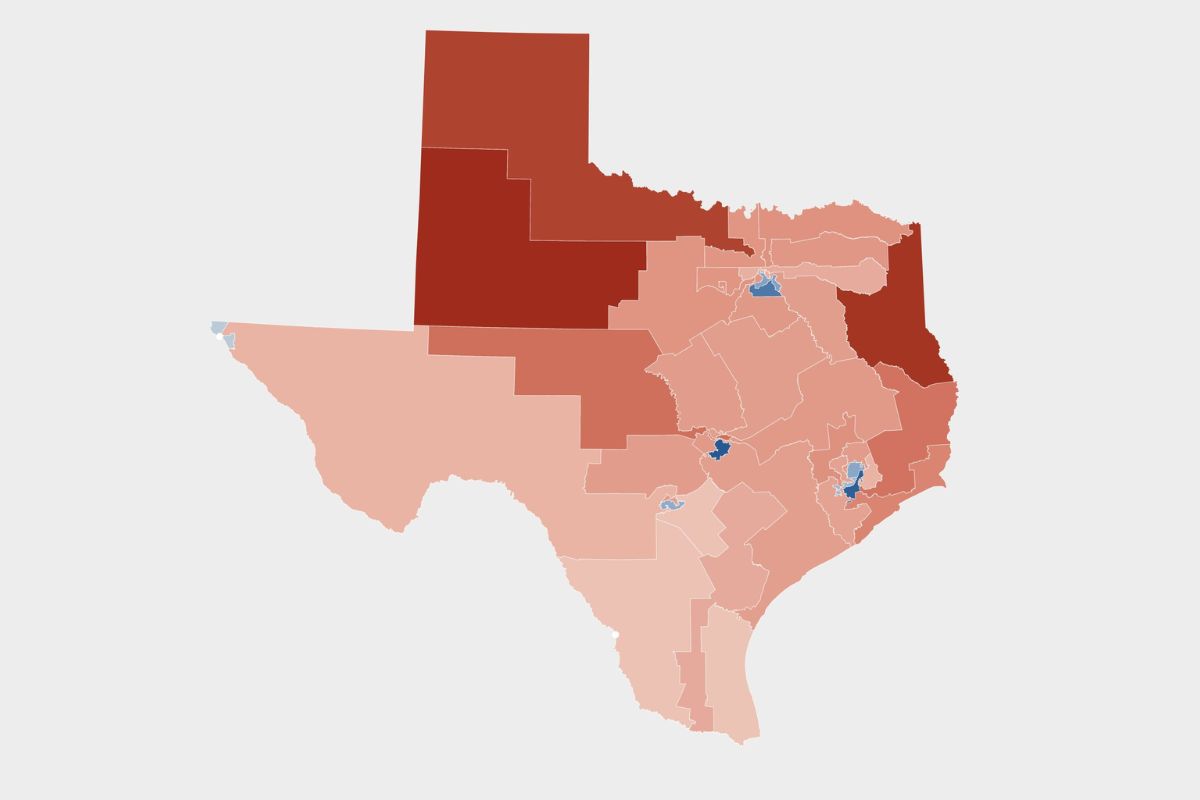
What is the Texas Redistricting Map? The Texas Redistricting Map is a detailed plan that outlines the boundaries of electoral districts within Texas. Why does it matter? It determines how communities are represented in Congress and the state legislature. How often is it updated? Every ten years, following the U.S. Census. Who creates it? The Texas Legislature is responsible for drawing the map. Why is it controversial? Redistricting can lead to gerrymandering, where boundaries are manipulated to favor one party. What’s at stake? Political power, community representation, and resource allocation. Want to know more? Here are 25 facts to get you started.
Texas Redistricting Map: A Complex Puzzle
The Texas redistricting map is a topic that often sparks debate and curiosity. Redistricting involves redrawing the boundaries of electoral districts, which can significantly impact political representation. Here are some fascinating facts about the Texas redistricting map.
Historical Background
Understanding the history behind Texas redistricting provides context for its current complexities.
-
Texas has a long history of redistricting battles. Since its statehood in 1845, Texas has redrawn its district lines numerous times, often leading to legal challenges and political disputes.
-
The Voting Rights Act of 1965 played a crucial role. This landmark legislation aimed to eliminate racial discrimination in voting, significantly influencing how Texas and other states approached redistricting.
-
Gerrymandering has been a persistent issue. The practice of manipulating district boundaries to favor one party over another has been a contentious topic in Texas redistricting history.
The Redistricting Process
The process of redistricting in Texas is intricate and involves multiple steps and stakeholders.
-
Redistricting occurs every ten years. Following the U.S. Census, Texas must redraw its district lines to reflect population changes.
-
The Texas Legislature is responsible for redistricting. Both the Texas House of Representatives and the Texas Senate play key roles in creating new district maps.
-
Public input is part of the process. Public hearings and community feedback are essential components, allowing citizens to voice their opinions on proposed maps.
Legal Challenges and Controversies
Redistricting in Texas often leads to legal battles and controversies, reflecting the high stakes involved.
-
Federal courts frequently intervene. Texas redistricting maps have often been challenged in federal courts, with judges sometimes ordering revisions to ensure compliance with federal laws.
-
The role of the U.S. Department of Justice. Under the Voting Rights Act, Texas previously required preclearance from the DOJ for any changes to its voting laws or practices, including redistricting.
-
Supreme Court rulings have significant impacts. Decisions by the U.S. Supreme Court on redistricting cases can set important precedents, influencing how Texas and other states approach the process.
Political Implications
Redistricting can dramatically alter the political landscape in Texas, affecting representation at both state and federal levels.
-
Redistricting can shift political power. Changes in district boundaries can influence which party holds the majority in the Texas Legislature and the U.S. House of Representatives.
-
Incumbents may face new challenges. Redistricting can place incumbents in newly drawn districts, sometimes pitting them against other incumbents or changing the demographic makeup of their constituencies.
-
Minority representation is a key concern. Ensuring that minority communities have fair representation is a critical aspect of the redistricting process, often leading to heated debates and legal scrutiny.
Technological Advances
Modern technology has transformed how redistricting is conducted, making the process more precise and data-driven.
-
Geographic Information Systems (GIS) are essential tools. GIS technology allows for detailed mapping and analysis of population data, helping create more accurate and fair district maps.
-
Public access to redistricting data has increased. Online platforms and databases provide citizens with greater access to redistricting information, promoting transparency and accountability.
-
Algorithmic redistricting is on the rise. Some advocates propose using computer algorithms to create district maps, aiming to reduce human bias and gerrymandering.
Recent Developments
Recent redistricting efforts in Texas have been marked by significant events and changes.
-
The 2020 Census brought new challenges. Delays and controversies surrounding the 2020 Census impacted the redistricting timeline and process in Texas.
-
Population growth influences redistricting. Texas has experienced significant population growth, particularly in urban areas, necessitating adjustments to district boundaries.
-
Partisan battles continue. Redistricting remains a highly partisan issue in Texas, with Republicans and Democrats often clashing over proposed maps.
Impact on Communities
Redistricting can have profound effects on local communities, influencing their political representation and access to resources.
-
Communities of interest are considered. Redistricting efforts aim to keep communities with shared interests and characteristics together within the same district.
-
Rural vs. urban dynamics. The differing needs and priorities of rural and urban areas can complicate redistricting efforts, leading to debates over how to balance representation.
-
Economic factors play a role. Economic disparities between different regions can influence redistricting decisions, as lawmakers consider how to best represent diverse economic interests.
Looking Ahead
The future of redistricting in Texas will likely involve ongoing debates, legal challenges, and technological advancements.
-
Redistricting reform is a topic of discussion. Some advocates call for changes to the redistricting process, such as establishing independent commissions to draw district lines.
-
Technological innovations will continue to evolve. Advances in technology will likely play an increasingly important role in how redistricting is conducted and monitored.
-
Public engagement is crucial. Continued public involvement and awareness are essential for ensuring a fair and transparent redistricting process.
-
The next redistricting cycle is just around the corner. With the 2030 Census on the horizon, Texas will soon face another round of redistricting, bringing new challenges and opportunities.
The Final Word on Texas Redistricting
Texas redistricting isn't just a political shuffle. It's a complex process that impacts voting power, representation, and community interests. Understanding the Texas redistricting map helps grasp how lines drawn on a map can shape the state's political landscape for years. From the Voting Rights Act to gerrymandering, these factors play a significant role in how districts are formed.
Keeping an eye on redistricting efforts ensures that communities get fair representation. Whether you're a student, a voter, or just curious, knowing these facts can make you more informed about the democratic process.
Stay engaged, stay informed, and remember, every vote counts. Texas redistricting might seem like a dry topic, but its impact is anything but. So next time you hear about redistricting, you'll know just how crucial it really is.
Was this page helpful?
Our commitment to delivering trustworthy and engaging content is at the heart of what we do. Each fact on our site is contributed by real users like you, bringing a wealth of diverse insights and information. To ensure the highest standards of accuracy and reliability, our dedicated editors meticulously review each submission. This process guarantees that the facts we share are not only fascinating but also credible. Trust in our commitment to quality and authenticity as you explore and learn with us.