

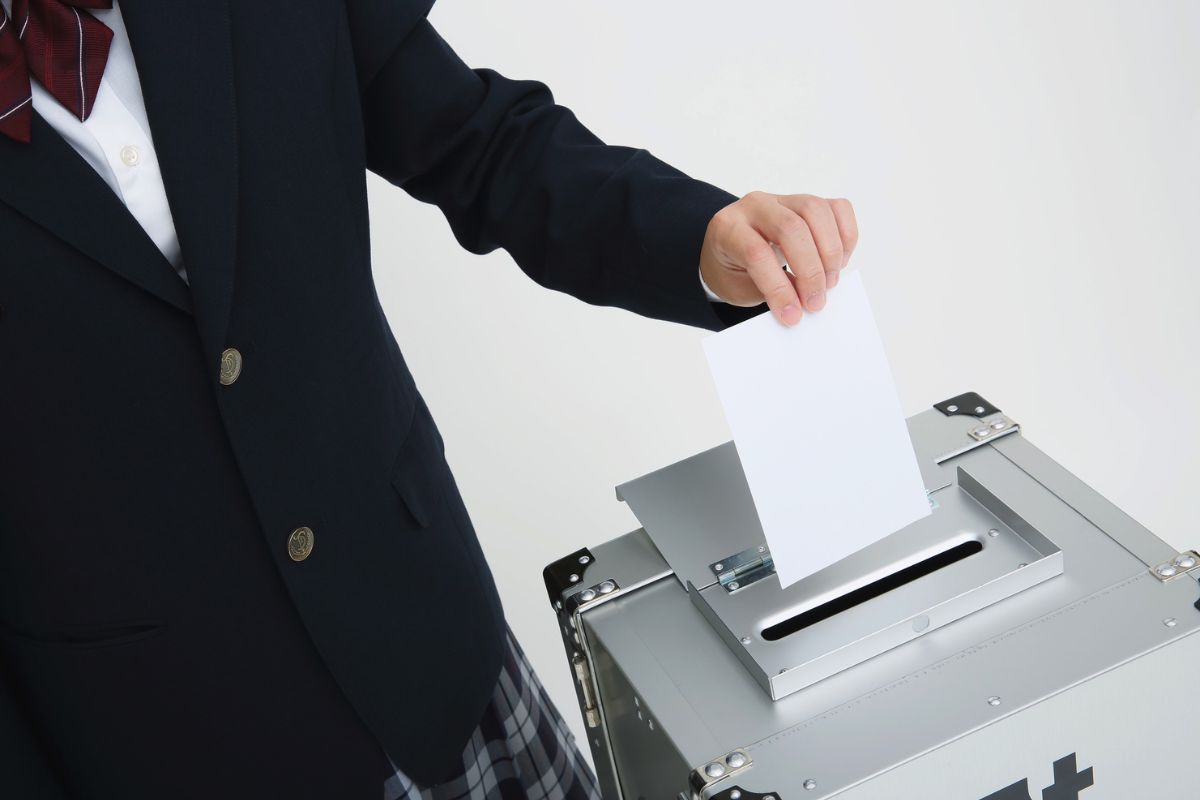
Elections are the backbone of democracy, giving people the power to choose their leaders. But how much do you really know about them? Did you know that the first recorded election took place in ancient Greece around 508 B.C.? Or that in Australia, voting is compulsory, and citizens can be fined for not participating? Elections aren't just about casting ballots; they involve complex systems, rules, and even some quirky traditions. For instance, in Estonia, you can vote online, making it one of the most tech-savvy countries in terms of elections. From historical milestones to modern-day practices, these 25 facts will give you a deeper understanding of how elections shape our world.
The History of Elections
Elections have shaped societies for centuries. They are the cornerstone of democracy, allowing citizens to choose their leaders and voice their opinions.
-
The first recorded election took place in ancient Greece around 508 B.C. Citizens voted using pieces of broken pottery called "ostraka."
-
In medieval Europe, elections were often held to choose leaders of guilds and other organizations, not just political leaders.
-
The United States held its first presidential election in 1789. George Washington won unanimously.
-
Women in New Zealand were the first to gain the right to vote in national elections in 1893.
-
The secret ballot, also known as the "Australian ballot," was first used in Victoria, Australia, in 1856. It helped reduce voter intimidation and fraud.
Unique Voting Systems
Different countries use various methods to conduct elections. These systems can significantly impact the outcome and fairness of elections.
-
The United States uses an Electoral College system to elect its president. Each state has a certain number of electors based on its population.
-
In India, the world's largest democracy, elections are held in multiple phases to accommodate the vast number of voters.
-
Some countries, like France, use a two-round system for presidential elections. If no candidate wins a majority in the first round, a second round is held between the top two candidates.
-
In the United Kingdom, Members of Parliament are elected using a "first-past-the-post" system. The candidate with the most votes in each constituency wins.
-
Proportional representation is used in countries like Germany and Israel. Parties gain seats in proportion to the number of votes they receive.
Voting Rights and Accessibility
Ensuring that everyone can vote is crucial for a fair election. Over time, many countries have expanded voting rights and made voting more accessible.
-
The 15th Amendment to the U.S. Constitution, ratified in 1870, granted African American men the right to vote.
-
The Voting Rights Act of 1965 aimed to eliminate racial discrimination in voting in the United States.
-
In 1971, the 26th Amendment to the U.S. Constitution lowered the voting age from 21 to 18.
-
Many countries offer absentee voting or mail-in ballots for those who cannot vote in person.
-
Some nations, like Australia, have compulsory voting laws. Citizens must vote or face a fine.
Election Technology
Technology has transformed how elections are conducted, making them more efficient but also raising new challenges.
-
Electronic voting machines are used in countries like Brazil and India to speed up the voting process and reduce errors.
-
Estonia became the first country to offer internet voting in a national election in 2005.
-
Blockchain technology is being explored as a way to secure votes and prevent tampering.
-
Social media platforms have become crucial for political campaigns, allowing candidates to reach voters directly.
-
Concerns about cybersecurity have led to increased scrutiny of election technology to prevent hacking and interference.
Fun and Unusual Election Facts
Elections can sometimes be quirky and surprising. Here are some fun and unusual facts about elections around the world.
-
In 2015, a 16-year-old boy named Bobby Murphy ran for mayor in the small town of Hillsdale, Michigan. He didn't win, but he did receive 24 votes.
-
In 2012, a cat named Stubbs was elected honorary mayor of Talkeetna, Alaska. He served in the role until his death in 2017.
-
In Iceland, the "Best Party," founded by comedian Jón Gnarr, won the 2010 municipal elections in Reykjavik. Their campaign promises included free towels at swimming pools and a polar bear for the city zoo.
-
In 2001, a foot powder company sponsored a mayoral election in Ecuador, offering free foot powder to anyone who voted.
-
In 1997, a man in Bosnia ran for office under the name "Harry S. Truman." He legally changed his name to gain attention and won the election.
The Power of Your Vote
Elections shape our world. They give people a voice, letting them choose leaders and influence policies. From ancient Greece to modern democracies, voting has evolved but its core purpose remains the same: representation. Knowing these 25 facts about elections helps you understand the importance of your vote. Every ballot cast contributes to the bigger picture, impacting local communities and global politics. So, next time you head to the polls, remember the history, the struggles, and the significance behind that simple act. Your vote matters. It’s not just a right; it’s a powerful tool for change. Stay informed, get involved, and make your voice heard. Voting isn’t just a civic duty; it’s a way to shape the future. Let’s cherish this privilege and use it wisely.
Was this page helpful?
Our commitment to delivering trustworthy and engaging content is at the heart of what we do. Each fact on our site is contributed by real users like you, bringing a wealth of diverse insights and information. To ensure the highest standards of accuracy and reliability, our dedicated editors meticulously review each submission. This process guarantees that the facts we share are not only fascinating but also credible. Trust in our commitment to quality and authenticity as you explore and learn with us.