



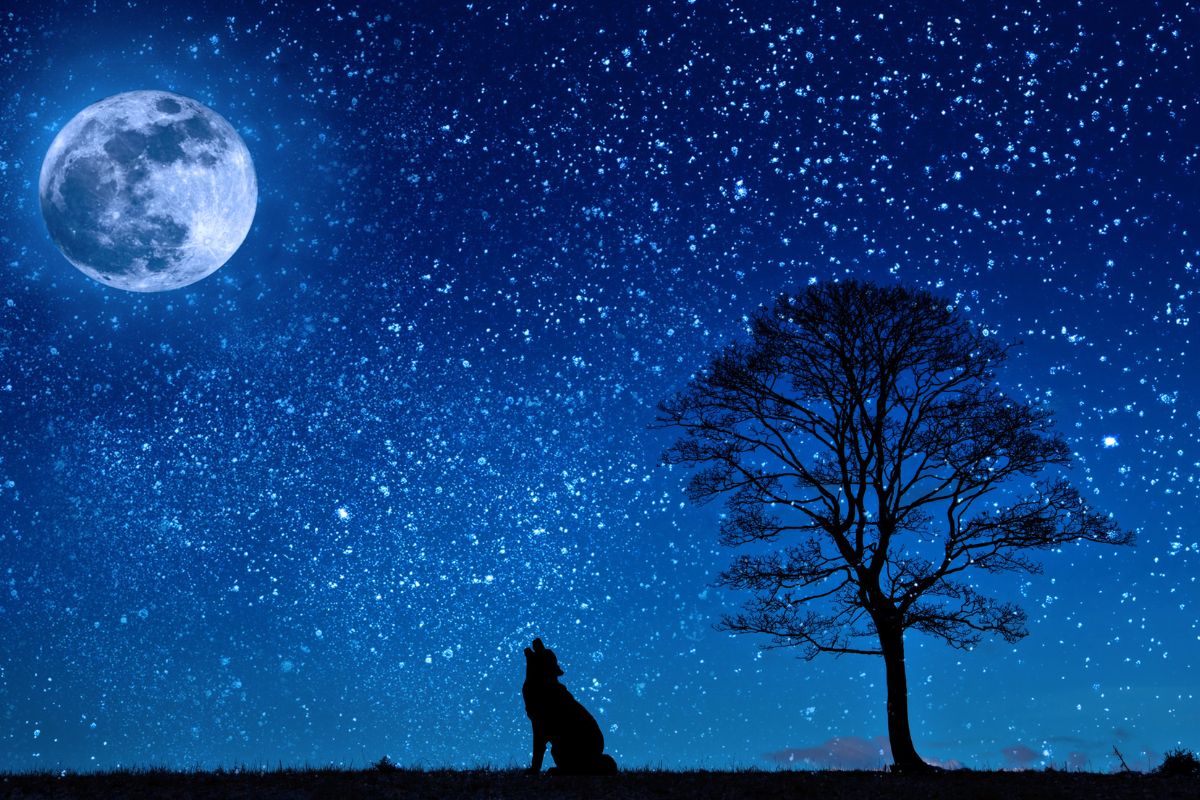
Ever wondered what makes a Blue Moon special? A Blue Moon isn't actually blue. It's a term used to describe the rare occurrence of two full moons in a single calendar month. This phenomenon happens about once every two to three years. The phrase "once in a Blue Moon" captures its rarity. The next Blue Moon will be a sight to behold, so mark your calendars! This celestial event has fascinated people for centuries, inspiring myths, songs, and even idioms. Ready to learn more? Here are 30 intriguing facts about the Blue Moon that will leave you starstruck!
What is a Blue Moon?
A Blue Moon isn't actually blue. It's a term used to describe a rare lunar event. Let's dive into some fascinating facts about this celestial phenomenon.
-
The term "Blue Moon" refers to the second full moon in a single calendar month.
This happens because the lunar cycle is about 29.5 days, while most months are 30 or 31 days long. -
A Blue Moon occurs approximately every 2.7 years.
This rarity makes it a special event for sky watchers and astronomers alike. -
The phrase "once in a Blue Moon" means something that happens very rarely.
This idiom has been around for centuries, reflecting the uncommon nature of the event.
Historical and Cultural Significance
The Blue Moon has intrigued humans for centuries, appearing in folklore, literature, and even songs.
-
The earliest recorded use of "Blue Moon" dates back to 1528.
It appeared in a pamphlet criticizing the clergy, using the term to mean something absurd or impossible. -
In 1946, a mistake in an astronomy magazine led to the current definition of Blue Moon.
The magazine incorrectly defined it as the second full moon in a month, and the term stuck. -
The Maine Farmers' Almanac used a different definition for Blue Moon.
According to them, it was the third full moon in a season that had four full moons.
Scientific Facts About Blue Moons
Understanding the science behind Blue Moons can make this phenomenon even more fascinating.
-
A Blue Moon is not actually blue in color.
The name has nothing to do with its hue; the moon appears the same as any other full moon. -
Volcanic eruptions can make the moon appear blue.
Ash and particles in the atmosphere can scatter light, giving the moon a bluish tint. -
The next Blue Moon will occur on August 30, 2023.
Mark your calendars for this rare event.
Blue Moons in Pop Culture
From songs to movies, the Blue Moon has left its mark on popular culture.
-
Elvis Presley sang about a Blue Moon in his 1956 hit song "Blue Moon."
The song became a classic, adding to the moon's mystique. -
The Blue Moon is featured in the movie "Grease."
The song "Blue Moon" plays during the high school dance scene. -
The Smurfs live in a village that experiences a Blue Moon.
This adds a magical element to their already whimsical world.
Astronomical Observations
Observing a Blue Moon can be a thrilling experience for amateur astronomers and stargazers.
-
A Blue Moon can be observed with the naked eye.
No special equipment is needed to enjoy this celestial event. -
The best time to view a Blue Moon is at moonrise.
This is when the moon appears largest and most impressive. -
Photographing a Blue Moon requires a camera with a good zoom lens.
This helps capture the moon's details and makes for stunning images.
Myths and Legends
Blue Moons have inspired various myths and legends throughout history.
-
Some cultures believe that a Blue Moon brings bad luck.
This superstition likely stems from the moon's rarity and unpredictability. -
Others see the Blue Moon as a time for new beginnings.
The rare event is thought to bring opportunities for change and growth. -
In folklore, a Blue Moon is said to be a time when wishes come true.
This adds a magical element to the already rare occurrence.
Fun Facts
Let's wrap up with some fun and quirky facts about Blue Moons.
-
The term "Blue Moon" has been used in various board games.
It adds an element of rarity and excitement to the gameplay. -
A Blue Moon can occur in any month except February.
February is too short to have two full moons. -
The Blue Moon is often associated with werewolves in fiction.
This adds a spooky element to the phenomenon. -
The phrase "Blue Moon" has been used in various cocktails.
The name adds a touch of rarity and elegance to the drink. -
Blue Moons are more common than total solar eclipses.
This makes them a more frequent, yet still rare, celestial event. -
The Blue Moon has inspired various poems and literary works.
Its rarity and beauty make it a popular subject for writers. -
Some people host Blue Moon parties to celebrate the event.
These gatherings often include moon-themed decorations and activities. -
The Blue Moon has been featured in various TV shows.
Its rarity makes it a popular plot device. -
The Blue Moon can affect tides, just like any other full moon.
This can lead to higher than usual tides. -
The Blue Moon has been used as a symbol of rarity in various logos.
Companies use it to signify their unique offerings. -
The Blue Moon has inspired various pieces of artwork.
Artists are drawn to its beauty and rarity. -
The Blue Moon is a reminder of the wonders of the universe.
Its rarity and beauty inspire awe and curiosity in those who observe it.
The Magic of the Blue Moon
Blue Moons are rare and fascinating. They don't actually appear blue, but their occurrence is special. Happening roughly every 2.7 years, they add an extra full moon to the calendar. This phenomenon has inspired myths, songs, and even the phrase "once in a Blue Moon" to describe rare events.
Understanding Blue Moons helps us appreciate the wonders of our universe. They remind us that even in our predictable world, surprises still exist. Whether you're a stargazer or just curious, the Blue Moon offers a chance to look up and marvel at the night sky.
Next time you hear about a Blue Moon, take a moment to enjoy its beauty. It's a reminder of how extraordinary our world can be. Keep looking up; you never know what wonders you'll find.
Was this page helpful?
Our commitment to delivering trustworthy and engaging content is at the heart of what we do. Each fact on our site is contributed by real users like you, bringing a wealth of diverse insights and information. To ensure the highest standards of accuracy and reliability, our dedicated editors meticulously review each submission. This process guarantees that the facts we share are not only fascinating but also credible. Trust in our commitment to quality and authenticity as you explore and learn with us.