



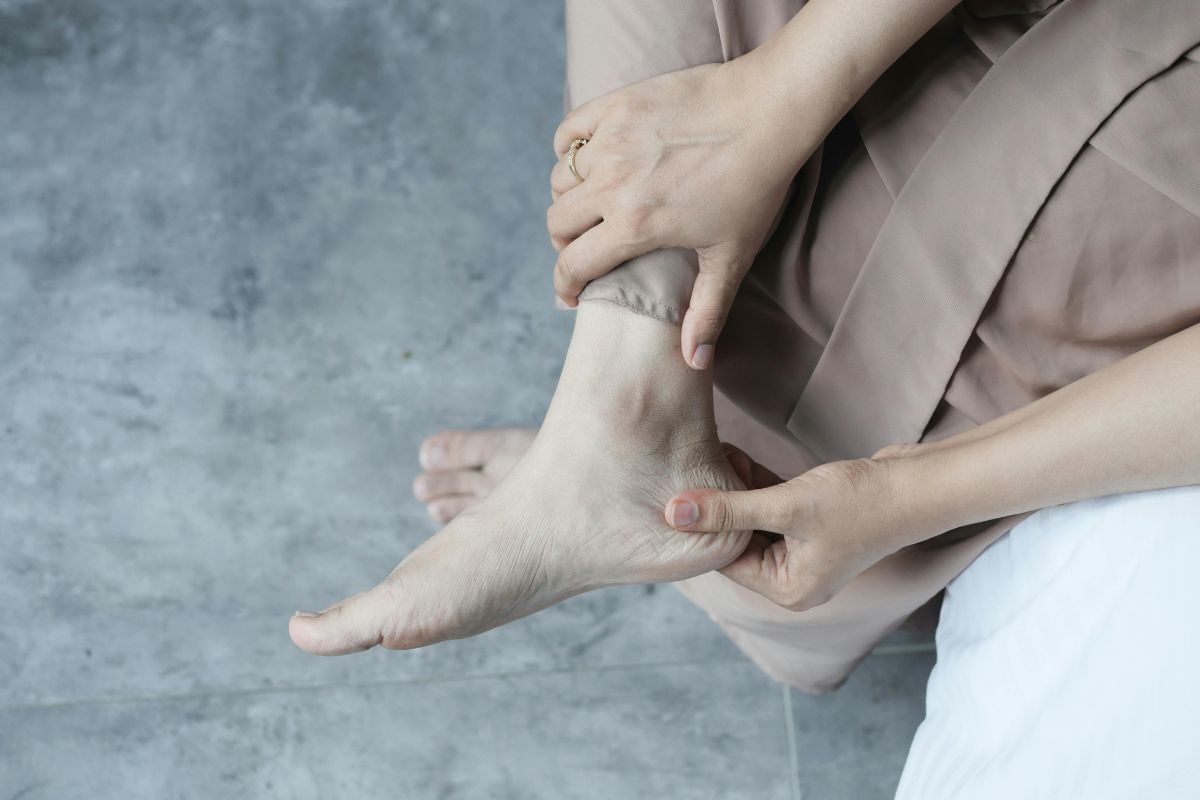
Did you know the human foot has 26 bones, 33 joints, and over 100 muscles, tendons, and ligaments? This complex structure supports our body weight, helps us balance, and allows us to walk, run, and jump. Feet are often overlooked, yet they play a crucial role in our daily lives. From the arches that absorb shock to the toes that provide stability, each part of the foot has a unique function. Whether you're an athlete, a dancer, or someone who enjoys a casual stroll, understanding your feet can help you take better care of them. Let's dive into 25 fascinating facts about the human foot!
The Human Foot: An Engineering Marvel
The human foot is a complex structure that plays a crucial role in our daily lives. From walking to running, it supports our entire body weight and allows us to move efficiently. Here are some fascinating facts about the human foot.
-
Each foot contains 26 bones, which means both feet together have 52 bones. That's nearly one-quarter of all the bones in the human body.
-
The foot has 33 joints, which allow for a wide range of movements and flexibility.
-
There are more than 100 muscles, tendons, and ligaments in each foot, working together to provide support and mobility.
The Foot's Unique Structure
The foot's structure is designed to handle a lot of stress and pressure. Its unique design helps us maintain balance and stability.
-
The arch of the foot acts like a spring, absorbing shock and providing a stable base for walking and running.
-
The Achilles tendon, the strongest tendon in the body, connects the calf muscles to the heel bone and is essential for activities like jumping and running.
-
The plantar fascia, a thick band of tissue on the bottom of the foot, supports the arch and helps absorb shock.
Sensory and Functional Capabilities
Our feet are not just for movement; they also have sensory and functional roles that are vital for our daily activities.
-
Each foot has about 8,000 nerves, making them highly sensitive to touch and temperature.
-
The soles of the feet have more sweat glands per square inch than any other part of the body, helping to regulate temperature and keep the skin moist.
-
Feet can produce up to half a pint of sweat each day, especially during physical activities.
Evolution and Adaptation
The human foot has evolved over millions of years to adapt to various environments and activities.
-
Early humans had feet that were more adapted to climbing trees, with a more flexible structure and a grasping big toe.
-
As humans began to walk upright, the foot evolved to become more rigid and supportive, allowing for efficient bipedal locomotion.
-
The development of the arch in the foot was a significant evolutionary change that helped humans walk long distances and run efficiently.
Common Foot Conditions
Despite their strength and resilience, feet are prone to various conditions and injuries.
-
Plantar fasciitis is a common condition that causes pain in the heel and arch of the foot due to inflammation of the plantar fascia.
-
Bunions are bony bumps that form on the joint at the base of the big toe, often caused by wearing tight or ill-fitting shoes.
-
Athlete's foot is a fungal infection that affects the skin on the feet, causing itching, redness, and peeling.
Fun and Quirky Facts
Feet have some fun and quirky aspects that you might not know about.
-
The average person walks about 100,000 miles in their lifetime, which is equivalent to walking around the Earth four times.
-
The longest toenail ever recorded was over 6 inches long, grown by a woman named Louise Hollis.
-
Some people are born with extra toes, a condition known as polydactyly, which can occur on one or both feet.
Cultural and Historical Significance
Feet have played important roles in various cultures and historical contexts.
-
Foot binding was a practice in ancient China where young girls' feet were tightly bound to keep them small, considered a symbol of beauty and status.
-
Reflexology, an ancient practice, involves applying pressure to specific points on the feet to promote healing and relaxation throughout the body.
-
In many cultures, feet washing is a sign of humility and respect, often performed in religious or ceremonial contexts.
Modern Footwear and Technology
Advancements in footwear and technology have significantly impacted foot health and comfort.
-
The first rubber-soled shoes, known as plimsolls, were developed in the 19th century, providing better grip and comfort.
-
Modern running shoes are designed with advanced materials and technology to provide support, cushioning, and stability for various types of activities.
-
Orthotic insoles can be custom-made to provide additional support and correct foot alignment, helping to alleviate pain and prevent injuries.
-
Smart shoes equipped with sensors can track your steps, monitor your gait, and even provide feedback to improve your walking or running form.
The Wonders of the Human Foot
The human foot is a marvel of engineering. With 26 bones, 33 joints, and over 100 muscles, tendons, and ligaments, it’s a complex structure that supports our entire body weight. Feet are not just for walking; they help us balance, absorb shock, and adapt to various surfaces. Each foot has 250,000 sweat glands, which can produce up to half a pint of sweat a day. The arches in our feet act like springs, helping us move efficiently. Footprints are unique to each person, much like fingerprints. Taking care of our feet is crucial for overall health. Wearing proper shoes, maintaining good hygiene, and regular check-ups can prevent many foot problems. So next time you take a step, remember the incredible work your feet are doing. They truly are the unsung heroes of our daily lives.
Was this page helpful?
Our commitment to delivering trustworthy and engaging content is at the heart of what we do. Each fact on our site is contributed by real users like you, bringing a wealth of diverse insights and information. To ensure the highest standards of accuracy and reliability, our dedicated editors meticulously review each submission. This process guarantees that the facts we share are not only fascinating but also credible. Trust in our commitment to quality and authenticity as you explore and learn with us.