

Targeting in football is a hot topic that sparks debates among fans, players, and coaches alike. But what exactly does it mean? Targeting refers to a player making forcible contact with an opponent's head or neck area, often with the helmet. This rule aims to protect players from serious injuries like concussions. Did you know that targeting can lead to ejections and suspensions? Understanding the ins and outs of this rule can change how you view the game. From its history to its impact on gameplay, here are 25 facts that will give you a deeper understanding of targeting in football.
Understanding Targeting in Football
Targeting in football is a hot topic. It’s all about player safety and fair play. Let’s dive into some interesting facts about this crucial aspect of the game.
-
Targeting Defined: Targeting occurs when a player makes forcible contact with an opponent using the crown of their helmet or makes forcible contact to the head or neck area of a defenseless opponent.
-
Player Safety: The rule aims to protect players from serious injuries, particularly concussions and spinal injuries.
-
Defenseless Player: A defenseless player is one who, due to their physical position and focus of concentration, is especially vulnerable to injury.
-
Crown of the Helmet: The crown is the top portion of the helmet. Using it to initiate contact is particularly dangerous and thus heavily penalized.
The Rules and Penalties
Understanding the rules and penalties associated with targeting is crucial for players, coaches, and fans alike.
-
15-Yard Penalty: Targeting results in a 15-yard penalty against the offending team.
-
Ejection: Players called for targeting are ejected from the game. If the foul occurs in the second half, the player also misses the first half of the next game.
-
Instant Replay: Targeting calls are subject to instant replay review to ensure accuracy and fairness.
-
Automatic Review: In college football, every targeting call is automatically reviewed by the replay official.
Historical Context
The targeting rule has evolved over time. Here’s a look at its history and development.
-
Introduced in 2008: The targeting rule was first introduced in college football in 2008.
-
2013 Update: In 2013, the rule was updated to include automatic ejection for players called for targeting.
-
NFL Adoption: The NFL adopted a similar rule in 2018 to enhance player safety.
Impact on the Game
Targeting has had a significant impact on how the game is played and officiated.
-
Coaching Adjustments: Coaches now emphasize proper tackling techniques to avoid targeting penalties.
-
Player Awareness: Players are more aware of their tackling techniques and the importance of avoiding head-to-head contact.
-
Game Flow: Instant replay reviews for targeting can disrupt the flow of the game, but they are essential for player safety.
-
Controversial Calls: Targeting calls can be controversial, with some fans and analysts debating the fairness of certain ejections.
Notable Incidents
Several high-profile targeting incidents have brought attention to the rule and its enforcement.
-
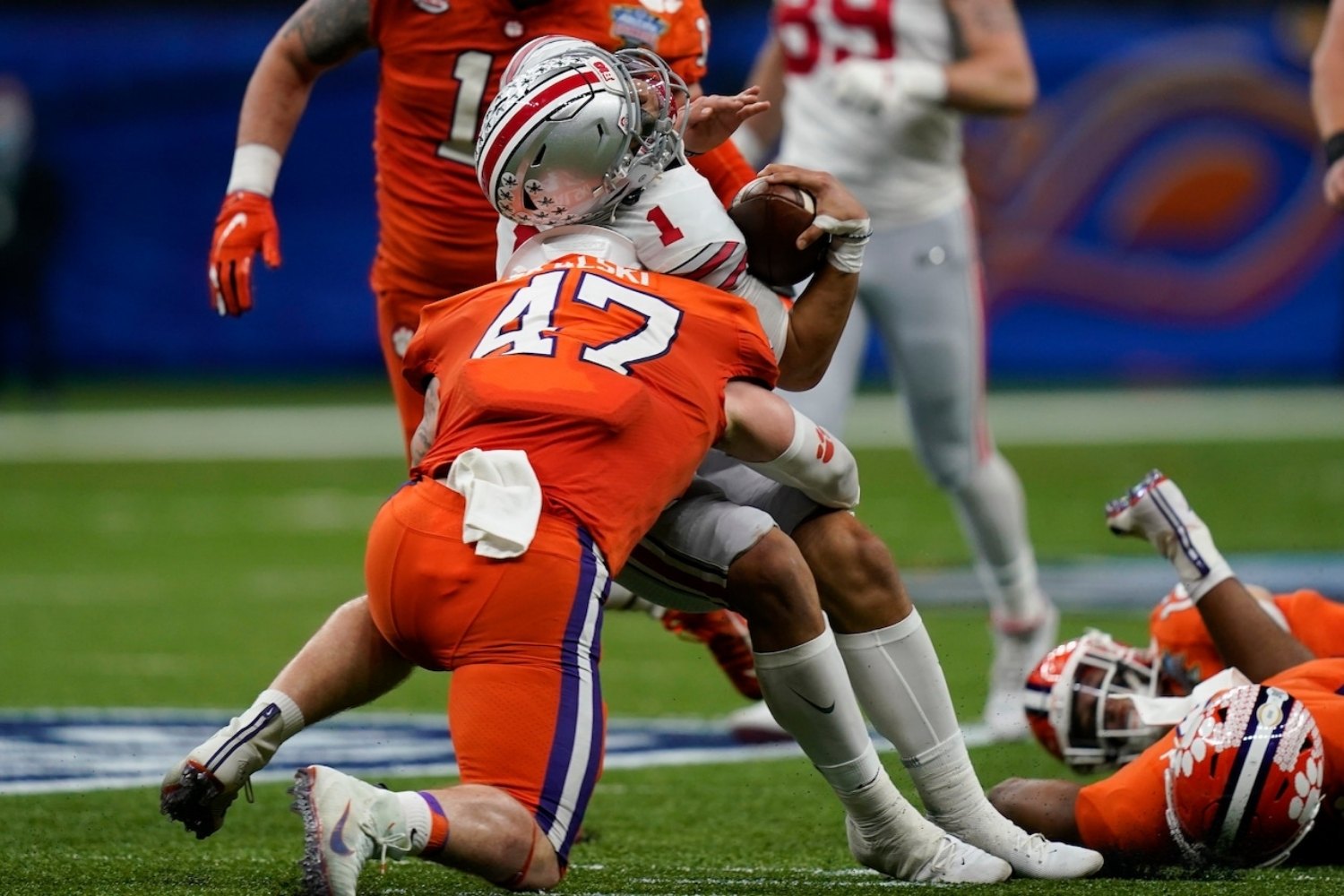
2019 National Championship: Clemson’s James Skalski was ejected for targeting in the 2020 National Championship game, a call that sparked significant debate.
-
NFL Playoffs: In the 2019 NFL playoffs, Kansas City Chiefs’ Daniel Sorensen was flagged for targeting, highlighting the rule’s impact at the professional level.
-
College Bowl Games: Targeting calls in high-stakes college bowl games often draw significant attention and scrutiny.
The Science Behind Targeting
Understanding the science behind targeting helps explain why the rule is so important.
-
Concussion Risks: Head-to-head contact significantly increases the risk of concussions, which can have long-term health effects.
-
Spinal Injuries: Using the crown of the helmet to initiate contact can lead to severe spinal injuries.
-
Brain Trauma: Repeated head impacts can lead to chronic traumatic encephalopathy (CTE), a serious brain condition.
Future of Targeting Rules
The targeting rule continues to evolve. Here’s what the future might hold.
-
Rule Refinements: Ongoing discussions aim to refine the targeting rule to balance player safety with game flow.
-
Technology Integration: Advances in helmet technology and impact sensors could help identify and prevent targeting incidents.
-
Education Programs: Increased emphasis on education for players and coaches about safe tackling techniques.
-
Global Influence: Other sports and leagues worldwide are looking at football’s targeting rule as a model for enhancing player safety.
The Final Whistle
Targeting in football is a hot topic. It’s all about player safety and keeping the game fair. The rules are strict, and the penalties are tough. Players need to be aware of how they tackle to avoid getting flagged. Coaches play a big role in teaching proper techniques. Fans, too, have a part in understanding why these rules exist. It’s not just about the game; it’s about protecting athletes from serious injuries. The NFL and college football have made big strides in this area. As the sport evolves, so will the rules. Staying informed helps everyone appreciate the game more. So next time you watch a game, keep an eye out for those big hits and remember the importance of targeting rules. They’re there to keep the game exciting and safe for everyone involved.
Was this page helpful?
Our commitment to delivering trustworthy and engaging content is at the heart of what we do. Each fact on our site is contributed by real users like you, bringing a wealth of diverse insights and information. To ensure the highest standards of accuracy and reliability, our dedicated editors meticulously review each submission. This process guarantees that the facts we share are not only fascinating but also credible. Trust in our commitment to quality and authenticity as you explore and learn with us.