



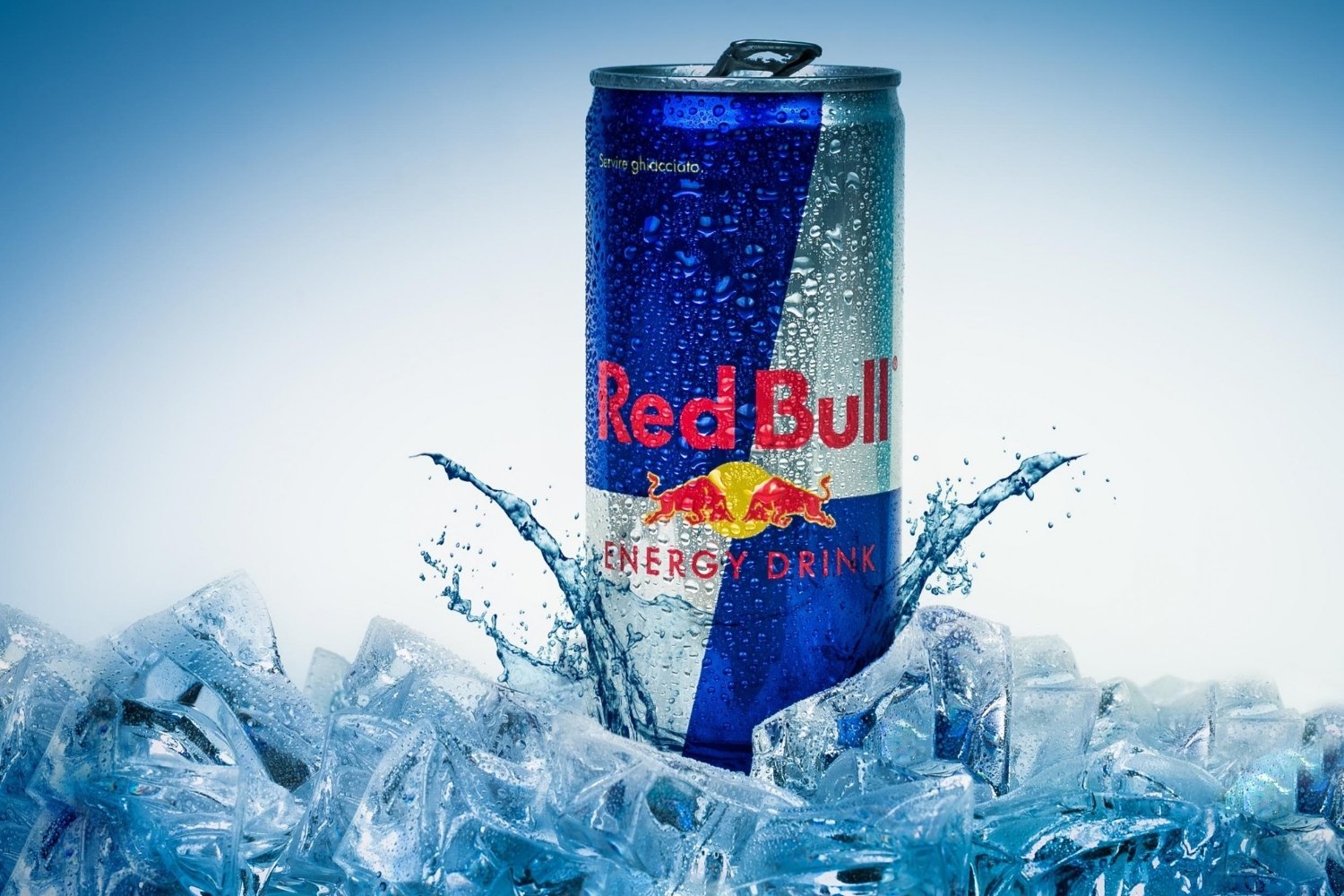
Are energy drinks really as powerful as they claim? These beverages have taken the world by storm, promising to boost energy, enhance focus, and keep you awake. But what’s really inside that flashy can? Energy drinks often contain high levels of caffeine, sugar, and other stimulants like taurine and guarana. While they can provide a quick jolt, they also come with potential risks. Overconsumption can lead to jitteriness, heart palpitations, and even more severe health issues. It's crucial to understand what you're putting into your body. Let's dive into 25 facts about these popular drinks to help you make informed choices.
What Are Energy Drinks?
Energy drinks are popular beverages designed to boost energy, alertness, and concentration. They often contain caffeine, sugar, vitamins, and other ingredients. Let's dive into some fascinating facts about these stimulating drinks.
-
The first energy drink, Lipovitan D, was introduced in Japan in 1962. It was marketed as a medicinal tonic to fight fatigue.
-
Red Bull, launched in 1987, is one of the most famous energy drinks globally. It was inspired by a Thai drink called Krating Daeng.
-
Energy drinks are not the same as sports drinks. Sports drinks are designed to hydrate and replenish electrolytes, while energy drinks aim to increase energy and mental performance.
Ingredients in Energy Drinks
Energy drinks contain a variety of ingredients that contribute to their effects. Here are some key components commonly found in these beverages.
-
Caffeine is the primary ingredient in most energy drinks. It stimulates the central nervous system, increasing alertness and reducing fatigue.
-
Taurine, an amino acid, is often included. It supports neurological development and helps regulate water and mineral levels in the blood.
-
B vitamins, such as B6 and B12, are added to help convert food into energy and support brain function.
-
Sugar provides a quick source of energy. However, many energy drinks also offer sugar-free versions to cater to health-conscious consumers.
Effects on the Body
Energy drinks can have various effects on the body, both positive and negative. Understanding these effects can help consumers make informed choices.
-
Energy drinks can improve cognitive performance, including reaction time, memory, and concentration.
-
They can enhance physical performance by increasing endurance and reducing perceived effort during exercise.
-
Overconsumption of energy drinks can lead to negative side effects, such as jitteriness, anxiety, and insomnia.
-
High sugar content in some energy drinks can contribute to weight gain and dental problems.
Health Risks and Concerns
While energy drinks can provide a quick energy boost, they also come with potential health risks. It's important to be aware of these risks to consume them safely.
-
Excessive caffeine intake can lead to heart palpitations, high blood pressure, and in severe cases, cardiac arrest.
-
Mixing energy drinks with alcohol is dangerous. It can mask the depressant effects of alcohol, leading to increased risk-taking behavior and alcohol poisoning.
-
Adolescents and young adults are particularly vulnerable to the adverse effects of energy drinks due to their developing bodies and brains.
-
Pregnant women are advised to avoid energy drinks because high caffeine levels can affect fetal development.
Market and Popularity
The energy drink market has grown rapidly over the past few decades. Let's explore some interesting facts about its popularity and market trends.
-
The global energy drink market was valued at over $53 billion in 2020 and is expected to continue growing.
-
North America is the largest market for energy drinks, followed by Europe and Asia-Pacific.
-
Energy drinks are especially popular among young adults aged 18-34, who often use them to stay awake and alert during long study or work sessions.
-
Marketing strategies for energy drinks often target extreme sports and adventurous lifestyles, appealing to thrill-seekers and athletes.
Regulations and Safety
Regulations around energy drinks vary by country. Understanding these regulations can help consumers navigate the market more safely.
-
In the European Union, energy drinks must carry a warning label if they contain more than 150 mg of caffeine per liter.
-
Some countries, like Norway and Denmark, have banned the sale of certain energy drinks due to health concerns.
-
The U.S. Food and Drug Administration (FDA) does not regulate energy drinks as strictly as other beverages, leading to varying caffeine levels and ingredient lists.
Alternatives to Energy Drinks
For those looking to boost energy without the potential risks of energy drinks, there are several healthier alternatives.
-
Drinking water can help maintain energy levels and prevent dehydration, which can cause fatigue.
-
Eating a balanced diet rich in whole grains, lean proteins, and fruits and vegetables provides sustained energy throughout the day.
-
Regular physical activity can naturally increase energy levels by improving cardiovascular health and releasing endorphins.
Energy drinks can be a quick fix for fatigue, but it's essential to consume them responsibly and be aware of their potential risks.
Final Sip on Energy Drinks
Energy drinks pack a punch with their caffeine and sugar content, giving you that quick boost. But, they come with a few health risks like increased heart rate and high blood pressure. Moderation is key. Knowing what's in your drink can help you make better choices. Some brands offer low-sugar or natural options, which might be a better fit for your lifestyle. Always read the labels and be aware of how much you're consuming. If you're looking for a safer energy boost, consider alternatives like green tea or natural supplements. Remember, while energy drinks can be handy in a pinch, they shouldn't replace good sleep, a balanced diet, and regular exercise. Stay informed and drink smart.
Was this page helpful?
Our commitment to delivering trustworthy and engaging content is at the heart of what we do. Each fact on our site is contributed by real users like you, bringing a wealth of diverse insights and information. To ensure the highest standards of accuracy and reliability, our dedicated editors meticulously review each submission. This process guarantees that the facts we share are not only fascinating but also credible. Trust in our commitment to quality and authenticity as you explore and learn with us.