



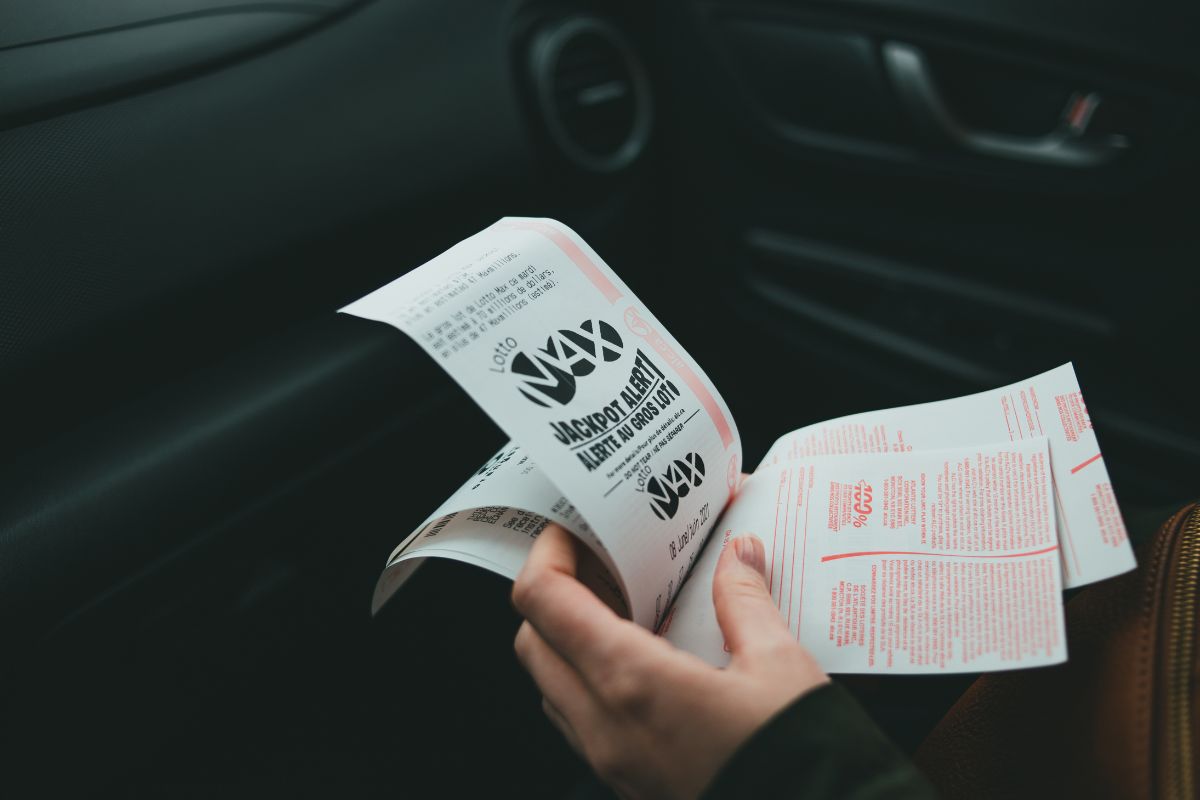
Ever wondered how lottery tickets became a global phenomenon? From ancient Chinese keno slips to modern-day Powerball jackpots, lotteries have a rich history. People buy these tickets hoping to strike it rich, but there's more to them than just luck. Did you know the first recorded lottery was held in the Roman Empire? Or that some countries use lottery funds to support public projects? Whether you're a casual player or a lottery enthusiast, these 25 facts will surprise you. Get ready to dive into the fascinating world of lottery tickets and uncover some intriguing tidbits you might not know!
The Origins of Lottery Tickets
Lottery tickets have a rich history that spans centuries. Here are some fascinating facts about their origins and evolution.
-
The first recorded lottery took place in China during the Han Dynasty between 205 and 187 BC. These early lotteries helped fund major government projects like the Great Wall of China.
-
In ancient Rome, lotteries were used as a form of entertainment at dinner parties. Guests would receive tickets, and prizes often consisted of fancy items like silverware.
-
The word "lottery" comes from the Dutch word "lot," meaning fate. The first state-sponsored lottery in Europe was held in the Netherlands in the 15th century.
-
England's first lottery was authorized by Queen Elizabeth I in 1566. The funds raised were used for public works, including the repair of harbors and the construction of ships.
-
In colonial America, lotteries were used to fund the establishment of universities, including Harvard, Yale, and Princeton.
Modern Lottery Systems
The lottery has evolved significantly over the years. Modern systems are more sophisticated and widespread.
-
The first modern lottery in the United States was established in New Hampshire in 1964. It was created to generate revenue for education.
-
Today, 45 states, the District of Columbia, Puerto Rico, and the U.S. Virgin Islands operate lotteries. Only Alabama, Alaska, Hawaii, Nevada, and Utah do not have state lotteries.
-
The largest lottery jackpot ever won was $1.586 billion in the Powerball drawing on January 13, 2016. The prize was split among three winning tickets.
-
Mega Millions and Powerball are the two largest multi-state lotteries in the U.S. They regularly offer jackpots that reach hundreds of millions of dollars.
-
Many countries around the world have their own national lotteries. For example, the United Kingdom has the National Lottery, which was established in 1994.
The Odds and Strategies
Winning the lottery is a game of chance, but understanding the odds and strategies can be intriguing.
-
The odds of winning the Powerball jackpot are 1 in 292.2 million. For Mega Millions, the odds are 1 in 302.6 million.
-
Despite the low odds, approximately 70% of adults in the U.S. have purchased a lottery ticket at least once in their lives.
-
Some people use "lucky" numbers or significant dates, like birthdays, when choosing their lottery numbers. However, every number has an equal chance of being drawn.
-
Syndicates, or groups of people pooling their money to buy multiple tickets, can increase the chances of winning. If the group wins, the prize is shared among all members.
-
Some lottery players use statistical analysis to choose numbers that are less likely to be picked by others, reducing the chance of having to split the jackpot.
The Impact of Lotteries
Lotteries have a significant impact on society, both positive and negative.
-
Lottery revenue often funds public services. In many states, proceeds support education, parks, and other community projects.
-
Critics argue that lotteries are a form of regressive taxation, disproportionately affecting lower-income individuals who spend a larger percentage of their income on tickets.
-
Problem gambling is a concern associated with lotteries. Some individuals may develop an addiction, leading to financial and personal difficulties.
-
Despite the risks, many people view playing the lottery as a form of entertainment and a way to dream about a better future.
-
Winning a large lottery prize can be life-changing, but it can also bring challenges. Some winners face legal issues, financial mismanagement, and strained relationships.
Fun and Unusual Lottery Facts
Lotteries are full of interesting and quirky facts that add to their allure.
-
In 2005, a group of 110 factory workers in Liverpool, England, won a £45 million jackpot, the largest group win in UK history.
-
In 2010, a man in the U.S. won two multi-million dollar jackpots in the same year, defying astronomical odds.
-
Some lotteries offer unusual prizes. For example, a Spanish Christmas lottery called "El Gordo" (The Fat One) has a prize pool worth over €2 billion.
-
In Canada, lottery winnings are tax-free. Winners receive the full amount of their prize without any deductions.
-
A man in New York won a $10 million lottery prize in 2019 after previously winning a $1 million prize in 2013, proving that lightning can strike twice.
The Final Draw
Lottery tickets hold a mix of excitement, hope, and sometimes, disappointment. From their ancient origins to today's massive jackpots, lotteries have always fascinated people. Whether it's the thrill of scratching off a ticket or waiting for the numbers to be called, the lottery offers a unique form of entertainment.
Remember, while the odds may not always be in your favor, the fun lies in the possibility of winning. Just be sure to play responsibly and know when to stop.
Lottery tickets aren't just about winning money; they often fund important public projects and charities. So, even if you don't hit the jackpot, your contribution might still make a difference.
Next time you buy a ticket, think about the history, the odds, and the impact. Who knows? You might just get lucky!
Was this page helpful?
Our commitment to delivering trustworthy and engaging content is at the heart of what we do. Each fact on our site is contributed by real users like you, bringing a wealth of diverse insights and information. To ensure the highest standards of accuracy and reliability, our dedicated editors meticulously review each submission. This process guarantees that the facts we share are not only fascinating but also credible. Trust in our commitment to quality and authenticity as you explore and learn with us.