



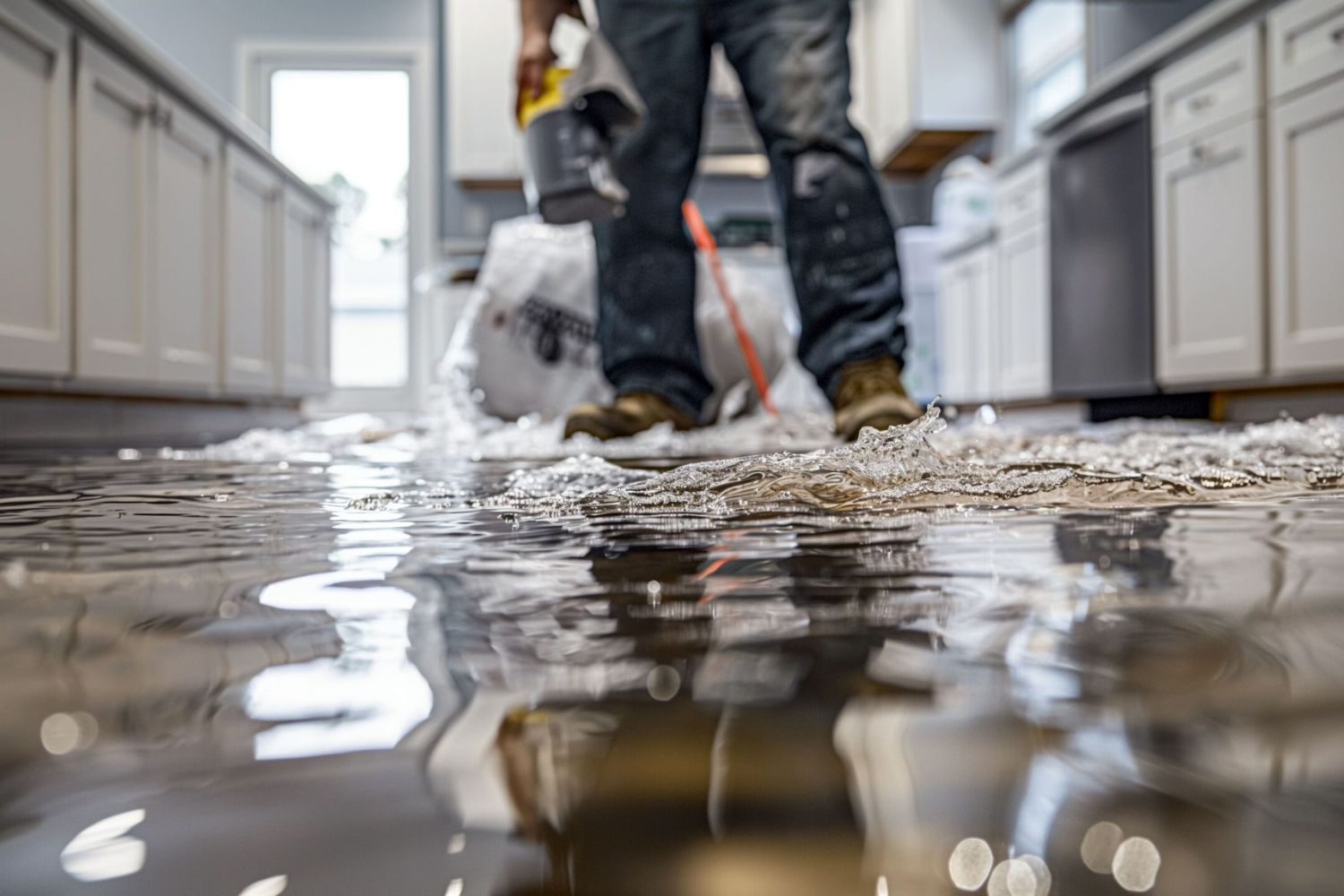
Flood damage restoration can be a daunting task, but understanding the basics can make the process smoother. Floods can wreak havoc on homes, causing extensive damage that requires immediate attention. Knowing what steps to take and what to expect can save time, money, and stress. From water extraction to mold prevention, each stage of restoration plays a crucial role in returning your home to its pre-flood condition. Whether you're dealing with minor water damage or a major flood, being informed is key. Here are 25 essential facts about flood damage restoration that will help you navigate this challenging situation effectively.
Understanding Flood Damage Restoration
Flood damage restoration is a critical process that involves cleaning, repairing, and restoring properties affected by flooding. Knowing the facts about this process can help homeowners and businesses prepare and respond effectively.
-
Floods are the most common natural disaster. Flooding can happen anywhere, making it the most frequent natural disaster worldwide. This means many people will likely face flood damage at some point.
-
Immediate action is crucial. The first 24-48 hours after a flood are critical. Quick action can prevent further damage and reduce restoration costs.
-
Water damage categories. There are three categories of water damage: clean water, gray water, and black water. Each requires different handling and cleaning methods.
-
Mold growth starts quickly. Mold can begin to grow within 24-48 hours after water exposure. Immediate drying and dehumidification are essential to prevent mold.
-
Professional help is often necessary. Flood damage restoration often requires specialized equipment and expertise. Professionals can ensure thorough cleaning and restoration.
The Process of Flood Damage Restoration
Understanding the steps involved in flood damage restoration can help you know what to expect and how to prepare.
-
Assessment and inspection. The first step is to assess the damage and inspect the property. This helps determine the extent of the damage and the best course of action.
-
Water removal. Removing standing water is a priority. Pumps and vacuums are used to extract water quickly and efficiently.
-
Drying and dehumidification. After water removal, drying and dehumidification are crucial. Industrial-grade dehumidifiers and air movers help dry out the property.
-
Cleaning and sanitizing. All affected areas and items need to be cleaned and sanitized to prevent mold and bacteria growth. This includes furniture, carpets, and personal belongings.
-
Restoration and repairs. The final step involves repairing and restoring the property to its pre-flood condition. This can include replacing drywall, flooring, and other structural elements.
The Impact of Flood Damage
Flood damage can have significant and long-lasting effects on properties and their occupants. Here are some important facts to consider.
-
Structural damage. Flooding can weaken the structural integrity of buildings, making them unsafe. This includes damage to foundations, walls, and floors.
-
Electrical hazards. Water and electricity are a dangerous combination. Flooding can cause electrical hazards, including short circuits and fires.
-
Health risks. Floodwaters can carry harmful bacteria, viruses, and chemicals. Exposure can lead to serious health issues, including respiratory problems and infections.
-
Emotional impact. Experiencing a flood can be traumatic. The loss of personal belongings and the stress of restoration can take an emotional toll on individuals and families.
-
Financial burden. Flood damage restoration can be expensive. Insurance may cover some costs, but out-of-pocket expenses can still be significant.
Preventing Future Flood Damage
Taking steps to prevent future flood damage can save time, money, and stress. Here are some effective prevention strategies.
-
Install a sump pump. A sump pump can help remove water from your basement or crawl space, reducing the risk of flooding.
-
Seal cracks and gaps. Sealing cracks in your foundation, walls, and windows can prevent water from entering your home.
-
Maintain gutters and downspouts. Clean and maintain gutters and downspouts to ensure proper drainage and prevent water buildup around your property.
-
Elevate utilities. Elevating electrical panels, appliances, and HVAC systems can protect them from flood damage.
-
Create a flood emergency plan. Having a plan in place can help you respond quickly and effectively in the event of a flood.
The Role of Insurance in Flood Damage Restoration
Insurance can play a crucial role in mitigating the financial impact of flood damage. Understanding your coverage is essential.
-
Flood insurance is separate. Standard homeowners insurance policies typically do not cover flood damage. Flood insurance must be purchased separately.
-
Know your policy. Understanding the specifics of your flood insurance policy, including coverage limits and exclusions, is important.
-
Document everything. In the event of a flood, document all damage with photos and videos. This can help with insurance claims and ensure you receive proper compensation.
-
File claims promptly. Filing insurance claims as soon as possible can expedite the restoration process and help you receive funds more quickly.
-
Work with your insurer. Communicating with your insurance company and providing all necessary documentation can help ensure a smooth claims process.
Final Thoughts on Flood Damage Restoration
Flood damage restoration is crucial for getting life back to normal after a disaster. Knowing the facts can make the process smoother and less stressful. From understanding the importance of quick action to recognizing the role of professionals, every detail counts. Mold prevention, structural repairs, and water extraction are just a few steps in the journey to recovery. Remember, acting fast can save both time and money. Insurance plays a big role, so keep your policy details handy. Lastly, always prioritize safety—yours and that of your loved ones. Floods are unpredictable, but being prepared and informed can make all the difference. Stay safe, stay informed, and you'll be better equipped to handle whatever comes your way.
Was this page helpful?
Our commitment to delivering trustworthy and engaging content is at the heart of what we do. Each fact on our site is contributed by real users like you, bringing a wealth of diverse insights and information. To ensure the highest standards of accuracy and reliability, our dedicated editors meticulously review each submission. This process guarantees that the facts we share are not only fascinating but also credible. Trust in our commitment to quality and authenticity as you explore and learn with us.