



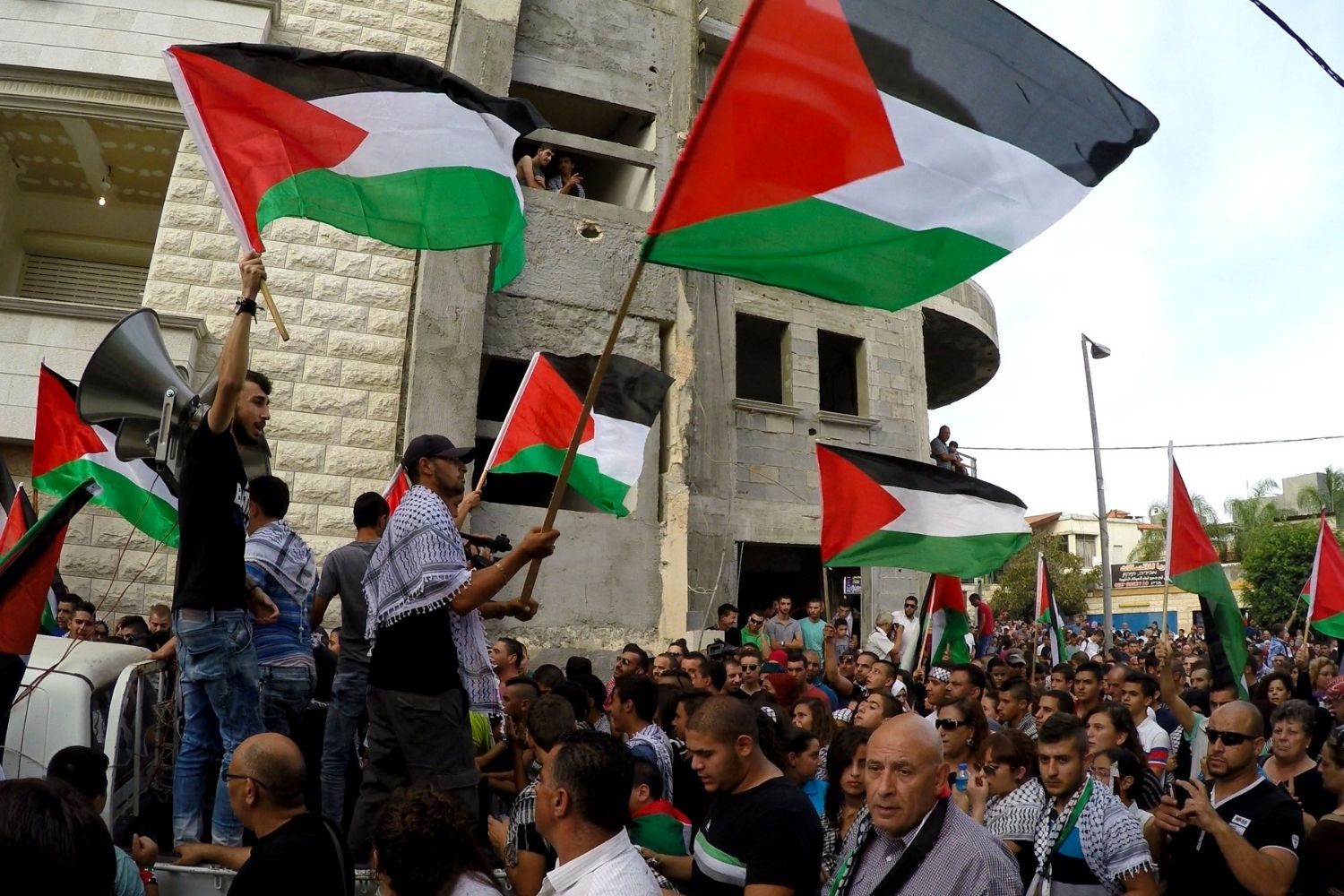
Intifada is an Arabic word meaning "shaking off" or "uprising." It refers to two significant Palestinian uprisings against Israeli occupation. The First Intifada began in December 1987 and lasted until 1993, marked by widespread protests, civil disobedience, and clashes. The Second Intifada, also known as the Al-Aqsa Intifada, started in September 2000 and continued until around 2005, featuring more intense violence and military confrontations. Both uprisings had profound impacts on the Israeli-Palestinian conflict, influencing politics, society, and international relations. Understanding the Intifada helps grasp the complexities of Middle Eastern geopolitics and the enduring struggle for Palestinian self-determination.
What is Intifada?
The term Intifada is often heard in discussions about the Middle East, but what does it actually mean? This article will break down the concept and provide some interesting facts to help you understand it better.
Origin of the Term
The word "Intifada" has a specific origin and meaning in Arabic.
- Intifada means "shaking off" in Arabic. It signifies a form of resistance or uprising.
- The term was first used in a political context during the Palestinian uprisings against Israeli occupation.
The First Intifada
The First Intifada was a significant event in Middle Eastern history.
- It began in December 1987 and lasted until 1993.
- This uprising started in the Jabalia refugee camp and quickly spread throughout the West Bank and Gaza Strip.
- The First Intifada involved widespread protests, strikes, and civil disobedience.
- It led to the Madrid Conference in 1991, which was a precursor to the Oslo Accords.
The Second Intifada
The Second Intifada, also known as the Al-Aqsa Intifada, was another major uprising.
- It began in September 2000 and lasted until around 2005.
- The Second Intifada was more violent than the first, involving armed confrontations and suicide bombings.
- The visit of Ariel Sharon to the Al-Aqsa Mosque compound is often cited as the spark that ignited this uprising.
- This period saw significant casualties on both the Palestinian and Israeli sides.
Key Figures
Several key figures played crucial roles during the Intifadas.
- Yasser Arafat, the leader of the Palestine Liberation Organization (PLO), was a central figure during both Intifadas.
- Sheikh Ahmed Yassin, the founder of Hamas, gained prominence during the Second Intifada.
- Ariel Sharon, an Israeli military and political leader, was a controversial figure during the Second Intifada.
Impact on Daily Life
The Intifadas had a profound impact on the daily lives of people in the region.
- Curfews and roadblocks became common, severely restricting movement.
- Economic conditions deteriorated, with high unemployment rates and poverty levels.
- Education was disrupted, with schools often closed due to the conflict.
International Reactions
The global community had varied reactions to the Intifadas.
- The United Nations passed several resolutions calling for an end to the violence.
- Many countries, including the United States, attempted to mediate peace talks.
- Human rights organizations documented numerous violations by both sides.
Cultural Impact
The Intifadas also influenced culture and media.
- Numerous films, books, and documentaries have been made about the Intifadas.
- Palestinian art and music often reflect themes of resistance and struggle.
- The Intifadas have been the subject of academic research and debate.
Legacy and Ongoing Conflict
The legacy of the Intifadas continues to influence the Israeli-Palestinian conflict.
- The Oslo Accords, which followed the First Intifada, aimed to establish a framework for peace but have yet to achieve lasting resolution.
- The Second Intifada led to the construction of the Israeli West Bank barrier, a highly controversial structure.
- The Intifadas have left a lasting impact on the political landscape, with ongoing tensions and sporadic violence continuing to this day.
The Bigger Picture
Understanding the Intifada means grasping the complex history and emotions behind it. These uprisings weren't just random events; they were driven by deep-seated frustrations and a desire for change. The First Intifada in 1987 and the Second Intifada in 2000 each had unique triggers and outcomes, but both highlighted the ongoing struggle between Palestinians and Israelis.
Knowing these facts helps us see beyond the headlines. It reminds us that behind every conflict, there are real people with real stories. The Intifadas shaped the region's history and continue to influence its future. By learning about them, we gain a better understanding of the challenges and hopes of those involved. This knowledge is crucial for anyone wanting to grasp the complexities of the Middle East.
Was this page helpful?
Our commitment to delivering trustworthy and engaging content is at the heart of what we do. Each fact on our site is contributed by real users like you, bringing a wealth of diverse insights and information. To ensure the highest standards of accuracy and reliability, our dedicated editors meticulously review each submission. This process guarantees that the facts we share are not only fascinating but also credible. Trust in our commitment to quality and authenticity as you explore and learn with us.