



Thai culture is a vibrant tapestry woven with rich traditions, unique customs, and fascinating history. Ever wondered what makes Thailand so special? From its delicious cuisine to its intricate festivals, Thai culture offers a blend of the ancient and the modern, creating a unique experience for locals and visitors alike. Did you know that Thailand is the only Southeast Asian country never colonized by a European power? Or that the traditional Thai greeting, the "wai," is a gesture of respect and politeness? Buddhism plays a significant role, influencing everything from daily life to grand celebrations. Whether you're planning a trip or just curious, these 30 facts will give you a deeper appreciation of this captivating culture.
Thai Festivals and Traditions
Thailand is known for its vibrant festivals and unique traditions. These celebrations are deeply rooted in the country's history and culture, offering a glimpse into the Thai way of life.
-
Songkran Festival: Celebrated in April, Songkran marks the Thai New Year. People splash water on each other to symbolize washing away the past year's misfortunes.
-
Loy Krathong: Held on the full moon night of the 12th lunar month, Loy Krathong involves floating decorated baskets on water to pay respects to the water goddess.
-
Yi Peng Lantern Festival: In Chiang Mai, thousands of lanterns are released into the sky during Yi Peng, creating a breathtaking spectacle.
-
Buddhist Lent: Known as Khao Phansa, this three-month period sees monks retreating to their temples for meditation and study.
-
Royal Ploughing Ceremony: This ancient ritual, presided over by the King, marks the beginning of the rice-growing season.
Thai Cuisine
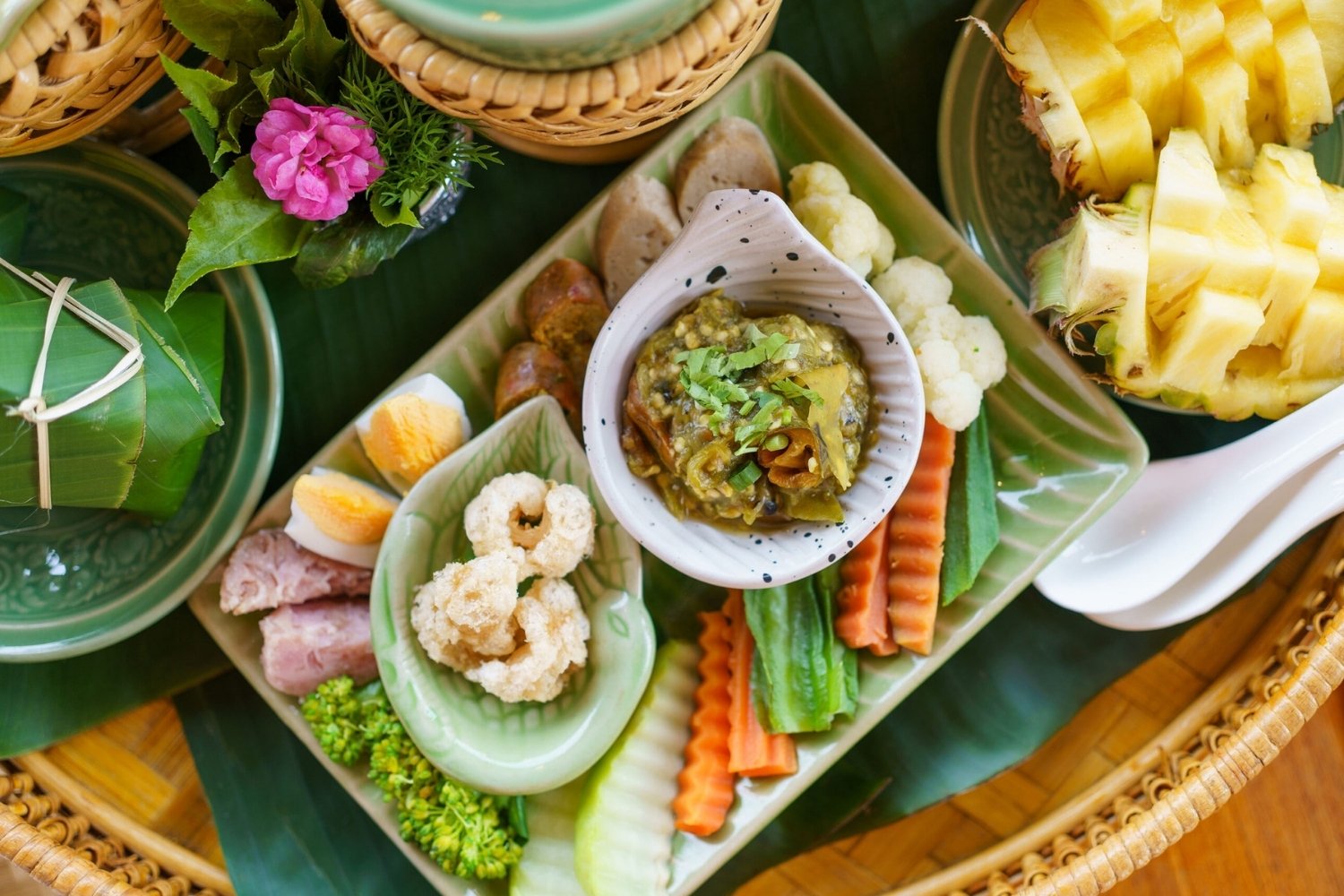
Thai cuisine is famous worldwide for its bold flavors and aromatic dishes. Each region has its own specialties, making Thai food diverse and exciting.
-
Pad Thai: This stir-fried noodle dish is a staple in Thai cuisine, often made with shrimp, tofu, peanuts, and a tangy tamarind sauce.
-
Tom Yum Goong: A hot and sour soup with shrimp, lemongrass, kaffir lime leaves, and chili, Tom Yum Goong is a favorite among locals and tourists alike.
-
Green Curry: Known for its creamy coconut milk base and green chili paste, green curry is both spicy and sweet.
-
Som Tum: This spicy papaya salad combines shredded green papaya, tomatoes, peanuts, and a tangy lime dressing.
-
Mango Sticky Rice: A popular dessert, mango sticky rice features ripe mango slices served with sweet sticky rice and coconut milk.
Thai Language and Communication
The Thai language and communication styles reflect the country's cultural values, emphasizing respect and politeness.
-
Thai Language: Thai is a tonal language with five different tones, making pronunciation crucial for meaning.
-
Wai Greeting: The traditional Thai greeting involves pressing the palms together in a prayer-like gesture and bowing slightly.
-
Khun: Used before a person's name, "Khun" is a polite title similar to "Mr." or "Ms."
-
Non-Verbal Communication: Thais often use non-verbal cues, such as smiling and body language, to convey respect and politeness.
-
Respect for Elders: Showing respect to elders is an important aspect of Thai culture, often demonstrated through language and gestures.
Thai Religion and Spirituality
Buddhism plays a significant role in Thai culture, influencing daily life, traditions, and values.
-
Theravada Buddhism: The majority of Thais practice Theravada Buddhism, which emphasizes meditation and mindfulness.
-
Monks: Monks are highly respected in Thai society, and many young men spend time as monks to gain merit.
-
Spirit Houses: Many Thai homes and businesses have spirit houses, small shrines to honor protective spirits.
-
Buddhist Temples: Known as "wats," Buddhist temples are central to community life and often serve as centers for education and social activities.
-
Merit-Making: Thais believe in making merit through good deeds, such as donating to temples or helping others.
Thai Arts and Crafts
Thailand boasts a rich tradition of arts and crafts, with each region offering unique contributions to the country's cultural heritage.
-
Thai Silk: Renowned for its quality and beauty, Thai silk is often used in traditional clothing and home decor.
-
Muay Thai: Also known as Thai boxing, Muay Thai is a martial art that combines physical fitness with cultural tradition.
-
Traditional Dance: Thai classical dance, characterized by graceful movements and elaborate costumes, often tells stories from mythology and history.
-
Shadow Puppetry: Known as "Nang Yai," this ancient art form uses intricately carved leather puppets to perform traditional stories.
-
Wood Carving: Thai wood carving is a highly skilled craft, producing intricate designs for temples, furniture, and decorative items.
Thai Social Etiquette
Understanding Thai social etiquette is essential for anyone visiting or living in Thailand. These customs reflect the country's values of respect, humility, and harmony.
-
Shoes Off: It is customary to remove shoes before entering someone's home or a temple.
-
Head and Feet: The head is considered the most sacred part of the body, while the feet are the lowest. Avoid touching someone's head or pointing your feet at people or religious objects.
-
Public Displays of Affection: Thais are generally conservative about public displays of affection, so it's best to keep such expressions private.
-
Gift Giving: When giving gifts, it is polite to use both hands and avoid wrapping gifts in black, as it is associated with funerals.
-
Dining Etiquette: When dining, it is polite to wait for the eldest person to start eating before you begin. Sharing dishes is common, and it's considered rude to take the last piece of food without offering it to others first.
Embracing Thai Culture
Thai culture is a vibrant mix of traditions, beliefs, and practices that have evolved over centuries. From the graceful dance forms to the intricate art of Thai cuisine, every aspect tells a story. The importance of family and respect for elders play a significant role in daily life. Festivals like Songkran and Loy Krathong showcase the community's spirit and joy.
Understanding these cultural nuances not only enriches your travel experience but also fosters deeper connections with the locals. Whether you're exploring ancient temples, enjoying a traditional Thai massage, or participating in a local festival, you'll find that Thai culture is both welcoming and fascinating.
Next time you visit Thailand, take a moment to appreciate these unique cultural elements. They offer a glimpse into the heart and soul of this beautiful country, making your journey truly unforgettable.
Was this page helpful?
Our commitment to delivering trustworthy and engaging content is at the heart of what we do. Each fact on our site is contributed by real users like you, bringing a wealth of diverse insights and information. To ensure the highest standards of accuracy and reliability, our dedicated editors meticulously review each submission. This process guarantees that the facts we share are not only fascinating but also credible. Trust in our commitment to quality and authenticity as you explore and learn with us.