


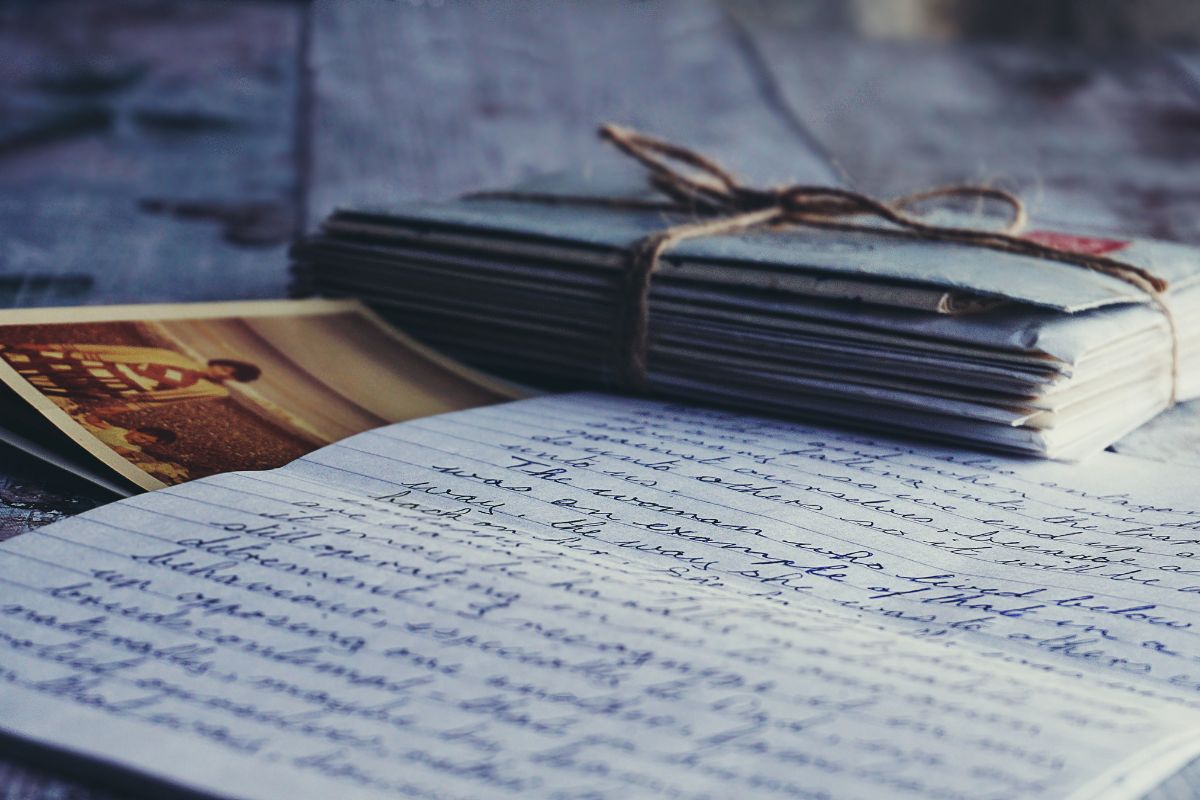
Letters have been a cornerstone of human communication for centuries. From ancient scrolls to modern postcards, they’ve carried messages of love, war, and everything in between. Did you know that the first recorded handwritten letter dates back to 500 BC? Or that the longest letter ever written spanned 3,200 pages? These fascinating tidbits highlight the rich history and evolution of letter writing. Whether it’s a heartfelt note or a formal business correspondence, letters have a unique way of connecting people across time and space. In this post, we’ll explore 25 intriguing facts about letters that might surprise you. Buckle up for a journey through the world of written words!
The Origins of Letters
Letters have been a cornerstone of human communication for centuries. From ancient scrolls to modern-day emails, the evolution of letters is fascinating.
- The earliest known handwritten letter dates back to 500 BC in Persia. It was written on a clay tablet.
- Ancient Egyptians used papyrus to write letters, which were then rolled and sealed with clay.
- Romans were among the first to use wax tablets for writing letters. These tablets could be reused by smoothing out the wax.
- In medieval Europe, letters were often written on parchment made from animal skins.
- The first recorded use of a postal system was in ancient Persia, where couriers delivered letters across the empire.
The Evolution of Letter Writing
As societies evolved, so did the methods and materials used for writing letters. Each era brought new innovations.
- During the Renaissance, the invention of the printing press made it easier to produce paper, which became the standard medium for letters.
- In the 17th century, the envelope was invented in France, providing a new way to protect and deliver letters.
- The 19th century saw the introduction of the postage stamp, revolutionizing the way letters were sent and received.
- By the 20th century, typewriters became popular for writing letters, making the process faster and more efficient.
- The advent of email in the late 20th century transformed letter writing, allowing instant communication across the globe.
Famous Letters in History
Some letters have had a profound impact on history, influencing events and shaping the world.
- The "Dear John" letter became famous during World War II as a term for a breakup letter sent to soldiers.
- Martin Luther King Jr.'s "Letter from Birmingham Jail" is a powerful document advocating for civil rights.
- Albert Einstein's letter to President Franklin D. Roosevelt in 1939 warned about the potential of nuclear weapons, leading to the Manhattan Project.
- The "Zimmermann Telegram" was a secret communication from Germany to Mexico during World War I, which led to the United States entering the war.
- Anne Frank's letters to her friend Kitty provide a poignant insight into her life during the Holocaust.
The Art of Letter Writing
Writing a letter is not just about conveying information; it's an art form that requires skill and thoughtfulness.
- Handwritten letters are often considered more personal and meaningful than typed or digital ones.
- Calligraphy, the art of beautiful handwriting, has been used for centuries to enhance the appearance of letters.
- Love letters have been a popular way to express romantic feelings, with famous examples from historical figures like Napoleon Bonaparte and Beethoven.
- Pen pals, people who write letters to each other regularly, have been a way to build friendships across distances.
- Letters of recommendation can play a crucial role in academic and professional opportunities.
Modern-Day Letters
Even in the digital age, letters continue to hold significance in various forms and contexts.
- Email has become the most common form of letter writing today, with billions of emails sent daily.
- Text messages and instant messaging apps have created new ways to send short, letter-like communications.
- Social media platforms often use direct messaging features that mimic the format of traditional letters.
- Despite the rise of digital communication, handwritten thank-you notes and holiday cards remain popular.
- Many people still cherish receiving physical letters, finding them more personal and heartfelt than digital messages.
The Power of Letters
Letters have shaped human communication for centuries. From ancient scrolls to modern emails, they've been a cornerstone of how we share thoughts, emotions, and information. Handwritten notes carry a personal touch that digital messages often lack. They can be treasured keepsakes, holding sentimental value for years.
Despite the rise of technology, letters remain relevant. They offer a tangible connection, something you can hold and revisit. Whether it's a love letter, a thank-you note, or a formal business correspondence, letters convey sincerity and thoughtfulness.
Understanding the history and significance of letters enriches our appreciation for this timeless form of communication. So next time you pick up a pen or type out an email, remember the enduring power of letters. They’re more than just words on a page; they’re a bridge connecting us across time and space.
Was this page helpful?
Our commitment to delivering trustworthy and engaging content is at the heart of what we do. Each fact on our site is contributed by real users like you, bringing a wealth of diverse insights and information. To ensure the highest standards of accuracy and reliability, our dedicated editors meticulously review each submission. This process guarantees that the facts we share are not only fascinating but also credible. Trust in our commitment to quality and authenticity as you explore and learn with us.