



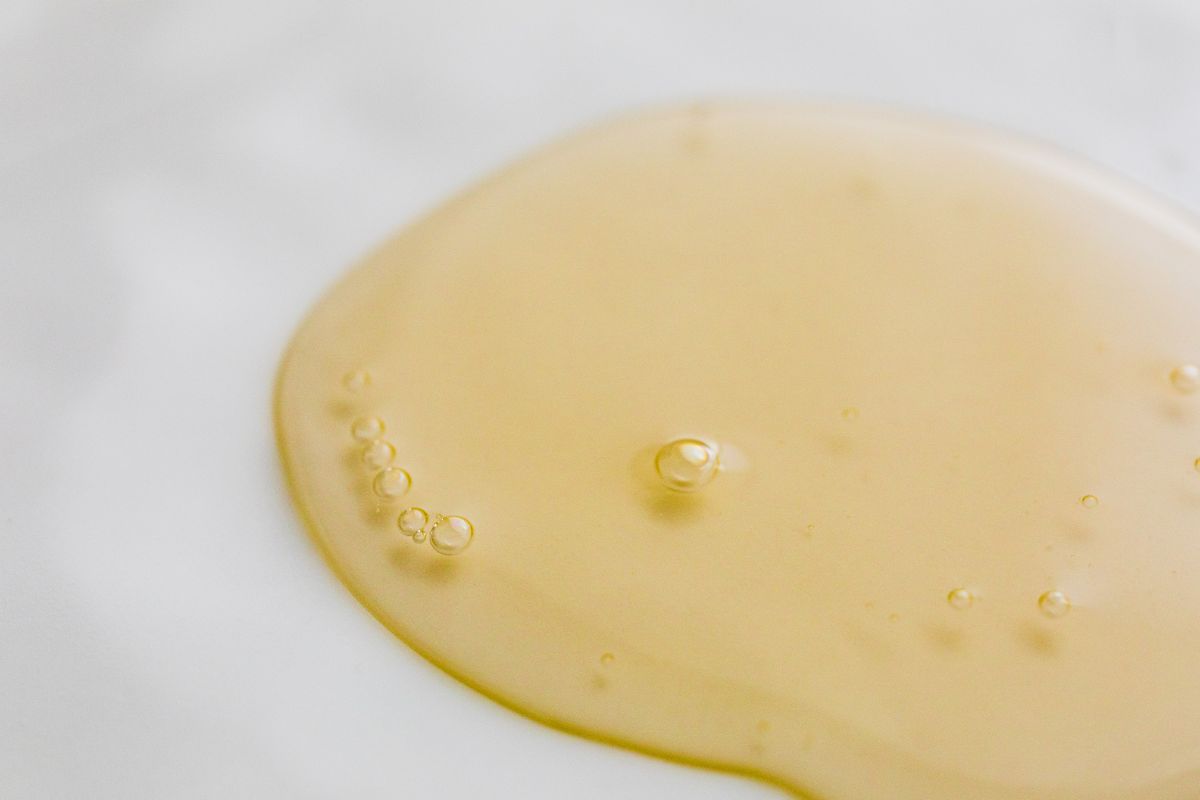
Oil powers our world, but how much do you really know about it? Oil is more than just fuel for cars and planes. It's a key player in everything from plastics to pharmaceuticals. Did you know that the largest oil producer isn't in the Middle East? Or that ancient civilizations used oil for waterproofing? Oil has shaped economies, politics, and even wars. Understanding its impact can change how you see the world. Ready to learn some surprising facts about this black gold? Let's dive into 25 intriguing tidbits that will make you an oil expert in no time!
25 Facts about Oil
Oil, often referred to as "black gold," plays a crucial role in modern society. From fueling vehicles to being a key ingredient in countless products, oil's impact is vast. Here are 25 fascinating facts about oil that highlight its importance and influence.
The Origins of Oil
Understanding where oil comes from and how it forms can be quite intriguing.
- Oil Formation: Oil forms from the remains of ancient marine organisms that lived millions of years ago. Over time, heat and pressure transformed these remains into oil.
- First Oil Well: The first successful oil well was drilled in Titusville, Pennsylvania, in 1859 by Edwin Drake.
- Oil Reserves: Venezuela holds the largest proven oil reserves in the world, followed by Saudi Arabia and Canada.
- Oil Shale: Oil shale is a type of rock that contains kerogen, which can be heated to produce oil.
Oil Production and Consumption
The journey from extraction to consumption involves several complex processes.
- Top Producers: The United States, Saudi Arabia, and Russia are the top three oil-producing countries.
- Daily Consumption: The world consumes approximately 100 million barrels of oil each day.
- Refining Process: Crude oil is refined into various products, including gasoline, diesel, jet fuel, and heating oil.
- OPEC: The Organization of the Petroleum Exporting Countries (OPEC) was founded in 1960 to coordinate and unify petroleum policies among member countries.
Environmental Impact
Oil extraction and consumption have significant environmental implications.
- Oil Spills: Oil spills, such as the Deepwater Horizon spill in 2010, can cause severe environmental damage.
- Greenhouse Gases: Burning oil releases carbon dioxide, a greenhouse gas that contributes to global warming.
- Alternative Energy: Efforts to reduce oil dependence include developing renewable energy sources like wind, solar, and biofuels.
- Oil Sands: Extracting oil from oil sands, found in places like Canada, is more environmentally damaging than conventional oil drilling.
Economic Influence
Oil's economic impact is profound, affecting everything from global markets to individual livelihoods.
- Oil Prices: Oil prices are influenced by supply and demand, geopolitical events, and market speculation.
- Petrodollars: Countries that export oil often receive payment in U.S. dollars, known as petrodollars.
- Job Creation: The oil industry provides millions of jobs worldwide, from drilling and refining to transportation and sales.
- Energy Security: Countries with abundant oil reserves often have greater energy security and geopolitical influence.
Technological Advancements
Innovation in the oil industry has led to more efficient and safer extraction methods.
- Fracking: Hydraulic fracturing, or fracking, has revolutionized oil extraction by allowing access to previously unreachable reserves.
- Deepwater Drilling: Advances in technology have enabled drilling in deepwater locations, expanding the potential for oil discovery.
- Enhanced Oil Recovery: Techniques like CO2 injection help extract more oil from existing wells.
- Digital Oilfields: The use of digital technology and data analytics improves efficiency and safety in oil operations.
Everyday Products
Oil is not just for fuel; it is a key ingredient in many everyday items.
- Plastics: Many plastics are derived from petrochemicals, which come from oil.
- Cosmetics: Oil-based ingredients are common in cosmetics and personal care products.
- Pharmaceuticals: Many medicines and medical supplies, including aspirin and syringes, are made using oil derivatives.
- Synthetic Fabrics: Fabrics like polyester and nylon are made from petrochemicals.
Fun Facts
Some lesser-known facts about oil can be quite surprising.
- Oil in Food: Certain food additives and flavorings are derived from oil, making it a hidden ingredient in some foods.
The Final Drop
Oil's impact on our world is undeniable. From fueling cars to creating everyday products, its reach is vast. Understanding oil's history, production, and uses helps us appreciate its role in modern life. It's not just about energy; oil shapes economies, politics, and even our daily routines.
Knowing these 25 facts gives you a better grasp of how oil influences everything around us. Whether it's the vast reserves in the Middle East or the innovations in renewable energy, oil remains a key player. As we move forward, balancing oil use with sustainable practices is crucial.
Keep these facts in mind next time you fill up your tank or use a plastic product. Oil's journey from deep underground to our hands is a fascinating one, full of twists and turns. Stay informed, stay curious, and appreciate the complexity of this vital resource.
Was this page helpful?
Our commitment to delivering trustworthy and engaging content is at the heart of what we do. Each fact on our site is contributed by real users like you, bringing a wealth of diverse insights and information. To ensure the highest standards of accuracy and reliability, our dedicated editors meticulously review each submission. This process guarantees that the facts we share are not only fascinating but also credible. Trust in our commitment to quality and authenticity as you explore and learn with us.