



Did you know that measles, a highly contagious viral disease, has made a surprising comeback in South Carolina? Despite being declared eliminated in the United States in 2000, recent outbreaks have raised concerns among health officials and residents alike. This resurgence highlights the importance of vaccination and public awareness. In this blog post, we'll explore 25 crucial facts about the measles outbreak in South Carolina, shedding light on its causes, symptoms, and preventive measures. Whether you're a parent, student, or simply curious, these facts will help you understand the current situation and how to protect yourself and your community. Stay informed and stay safe!
Understanding Measles
Measles is a highly contagious viral disease that can lead to severe health complications. Knowing the facts about this disease is crucial, especially during an outbreak.
- Measles is caused by the measles virus, a member of the paramyxovirus family.
- The virus spreads through respiratory droplets when an infected person coughs or sneezes.
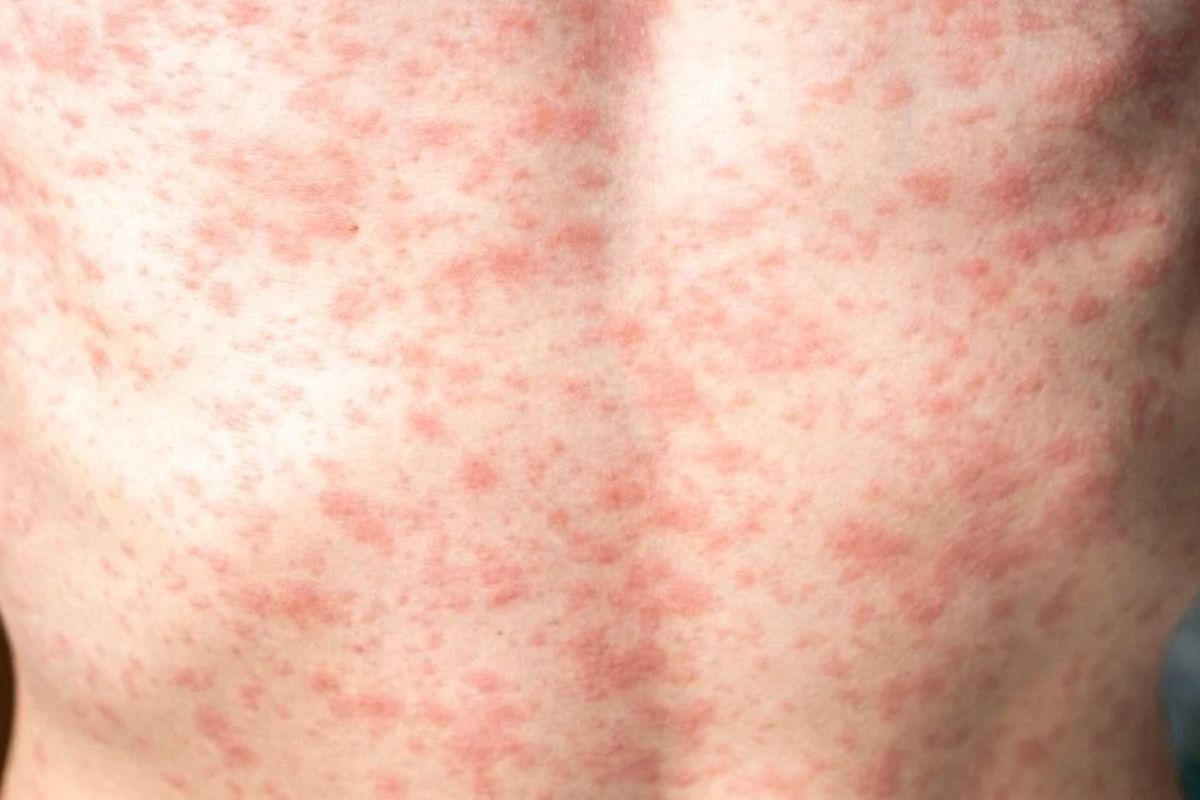
- Symptoms typically appear 10-12 days after exposure and include fever, cough, runny nose, and a characteristic red rash.
- Measles can be prevented with the MMR vaccine, which also protects against mumps and rubella.
- One dose of the MMR vaccine is about 93% effective at preventing measles; two doses are about 97% effective.
The Outbreak in South Carolina
South Carolina has recently experienced a measles outbreak, raising public health concerns. Here are some key facts about this specific outbreak.
- The outbreak began in early 2023, with the first cases reported in January.
- Health officials have confirmed over 100 cases in various counties across the state.
- Most of the affected individuals were unvaccinated or had incomplete vaccination records.
- Public health authorities have been working tirelessly to contain the spread by conducting vaccination drives.
- Schools and public places have been identified as major hotspots for the virus transmission.
Impact on the Community
The measles outbreak has had significant effects on the South Carolina community. Understanding these impacts can help in better managing future outbreaks.
- Hospitals have seen an increase in admissions due to measles-related complications.
- Some schools have temporarily closed to prevent further spread of the virus.
- Public health campaigns have been intensified to educate people about the importance of vaccination.
- The outbreak has put a strain on local healthcare resources, including medical staff and supplies.
- Community events and gatherings have been canceled or postponed to minimize the risk of transmission.
Health Complications
Measles is not just a simple rash and fever; it can lead to severe health complications, especially in vulnerable populations.
- Complications can include pneumonia, encephalitis (swelling of the brain), and severe diarrhea.
- Children under five and adults over 20 are more likely to suffer from severe complications.
- Pregnant women with measles are at risk of premature labor, miscarriage, and low birth weight.
- Measles can weaken the immune system, making individuals more susceptible to other infections.
- In rare cases, measles can lead to subacute sclerosing panencephalitis (SSPE), a fatal brain disorder that occurs years after the initial infection.
Preventive Measures
Preventing measles is possible through vaccination and other public health measures. Here are some steps that can help curb the spread of the virus.
- Ensure that you and your family members are up-to-date with the MMR vaccine.
- Practice good hygiene, such as washing hands frequently and covering your mouth when coughing or sneezing.
- Avoid close contact with individuals who are sick or showing symptoms of measles.
- Stay informed about local health advisories and follow recommendations from public health officials.
- Support community vaccination programs to increase herd immunity and protect those who cannot be vaccinated due to medical reasons.
The Bigger Picture
Measles outbreaks, like the one in South Carolina, highlight the importance of vaccination and public health awareness. This highly contagious disease can spread rapidly, especially in communities with low vaccination rates. Understanding the symptoms, transmission methods, and prevention strategies is crucial for everyone. Vaccines are the most effective way to prevent measles and protect vulnerable populations, such as infants and those with weakened immune systems.
Public health officials work tirelessly to contain outbreaks and educate the public. Staying informed and following their guidelines can help prevent future outbreaks. Remember, herd immunity relies on a high percentage of the population being vaccinated. By getting vaccinated and encouraging others to do the same, we can protect our communities and ensure a healthier future for all. Stay vigilant, stay informed, and prioritize health.
Was this page helpful?
Our commitment to delivering trustworthy and engaging content is at the heart of what we do. Each fact on our site is contributed by real users like you, bringing a wealth of diverse insights and information. To ensure the highest standards of accuracy and reliability, our dedicated editors meticulously review each submission. This process guarantees that the facts we share are not only fascinating but also credible. Trust in our commitment to quality and authenticity as you explore and learn with us.