



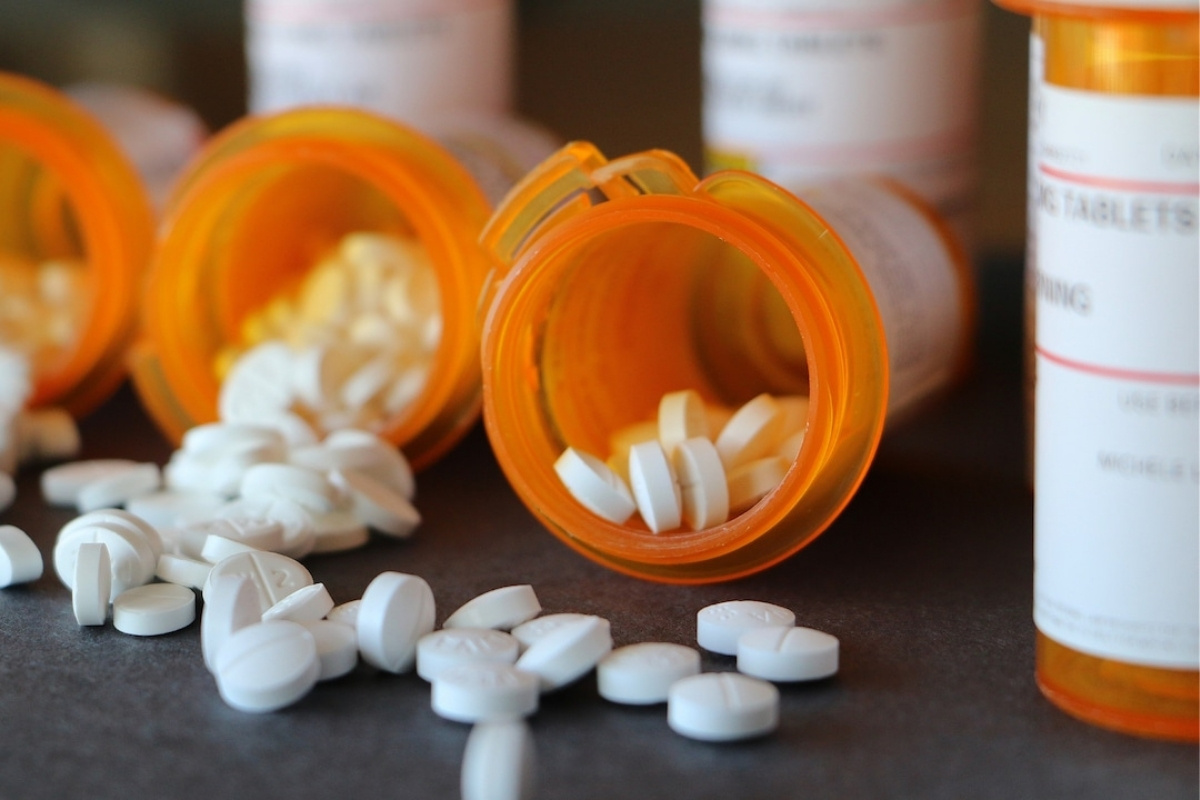
Why was blood pressure medication recalled by the FDA? The FDA recalled certain blood pressure medications due to the presence of impurities that could potentially cause cancer. These impurities, known as nitrosamines, were found in some batches of medications like valsartan, losartan, and irbesartan. Nitrosamines can form during the manufacturing process and pose serious health risks if consumed over long periods. The recall aims to protect patients from these harmful substances and ensure the safety and efficacy of medications. Understanding the reasons behind this recall can help patients make informed decisions about their health and treatment options.
Understanding FDA Recalls
The FDA (Food and Drug Administration) plays a crucial role in ensuring the safety of medications. When a medication is found to be potentially harmful, the FDA issues a recall. Blood pressure medications have been subject to several recalls over the years due to various reasons.
-
Recalls happen when a medication is found to be unsafe or not up to standards. This can include contamination, incorrect labeling, or harmful side effects.
-
Blood pressure medications are often recalled due to contamination with carcinogens. Some batches have been found to contain substances that could potentially cause cancer.
-
The FDA categorizes recalls into three classes. Class I is the most serious, involving situations where there is a reasonable probability that the use of the product will cause serious adverse health consequences or death.
Common Reasons for Blood Pressure Medication Recalls
Understanding why these medications are recalled can help patients stay informed and safe.
-
Impurities in the manufacturing process can lead to recalls. Sometimes, harmful substances can accidentally mix with the medication during production.
-
Incorrect dosage information on labels is another common reason. If the label does not accurately reflect the dosage, patients could take too much or too little of the medication.
-
Packaging issues can also lead to recalls. If the packaging is not secure, the medication could be exposed to contaminants.
Impact on Patients
Recalls can have significant effects on those who rely on these medications to manage their health.
-
Patients may experience anxiety and confusion. Learning that a medication they rely on has been recalled can be stressful.
-
Switching medications can be challenging. Finding an alternative that works as effectively can take time and may involve trial and error.
-
There can be financial implications. Some patients may have to pay out-of-pocket for new prescriptions if their insurance does not cover the alternative.
Notable Blood Pressure Medication Recalls
Several high-profile recalls have made headlines in recent years.
-
Valsartan was recalled in 2018 due to contamination with NDMA. NDMA is a probable human carcinogen, making this recall particularly concerning.
-
Losartan faced recalls for similar reasons. Contaminants like NMBA were found in some batches, prompting the FDA to take action.
-
Irbesartan also had recalls due to contamination issues. The presence of NDEA, another probable carcinogen, led to these recalls.
Steps to Take if Your Medication is Recalled
Knowing what to do if your medication is recalled can help you stay safe.
-
Contact your healthcare provider immediately. They can advise you on the best course of action and may prescribe an alternative.
-
Do not stop taking your medication without consulting a doctor. Abruptly stopping can cause serious health issues, especially with blood pressure medications.
-
Check the FDA website for updates. The FDA provides detailed information about recalls, including which batches are affected.
Preventing Future Recalls
While not all recalls can be prevented, steps can be taken to reduce their frequency.
-
Stricter regulations on manufacturing processes can help. Ensuring that facilities meet high standards can reduce the risk of contamination.
-
Improved quality control measures are essential. Regular testing of medications can catch issues before they reach consumers.
-
Better communication between the FDA and manufacturers is crucial. Prompt reporting of potential issues can lead to quicker recalls and less risk to patients.
The Role of Patients
Patients can also play a role in ensuring their medications are safe.
-
Stay informed about the medications you take. Knowing the potential risks and side effects can help you spot issues early.
-
Report any adverse effects to your doctor. If you experience unusual symptoms, it could indicate a problem with the medication.
-
Keep track of recall notices. Sign up for alerts from the FDA to stay updated on any recalls that may affect you.
The Future of Blood Pressure Medications
Looking ahead, advancements in technology and stricter regulations may lead to safer medications.
-
New manufacturing technologies can reduce contamination risks. Innovations in production methods can help ensure medications are pure and safe.
-
Increased transparency from pharmaceutical companies is needed. Open communication about potential risks and issues can build trust with consumers.
-
Ongoing research into safer alternatives is crucial. Developing new medications with fewer risks can provide better options for patients.
-
Patient advocacy groups can push for better regulations. These groups can influence policy changes that lead to safer medications for everyone.
Staying Informed About FDA Recalls
Keeping up with FDA recalls is crucial for your health. Blood pressure medications are vital for many, and knowing if yours is affected can prevent serious issues. Always check the FDA website for updates and consult your doctor if you have concerns. Ignoring recalls can lead to dangerous side effects or ineffective treatment.
If your medication is recalled, your doctor can prescribe an alternative. Don't stop taking your medication without professional advice. Pharmacies often notify customers about recalls, but it's wise to stay proactive.
Understanding why recalls happen helps you make informed decisions. Sometimes, it's about contamination; other times, it's due to incorrect labeling. Either way, your health should always come first.
Stay vigilant, stay informed, and keep those blood pressure levels in check. Your well-being depends on it.
Was this page helpful?
Our commitment to delivering trustworthy and engaging content is at the heart of what we do. Each fact on our site is contributed by real users like you, bringing a wealth of diverse insights and information. To ensure the highest standards of accuracy and reliability, our dedicated editors meticulously review each submission. This process guarantees that the facts we share are not only fascinating but also credible. Trust in our commitment to quality and authenticity as you explore and learn with us.