

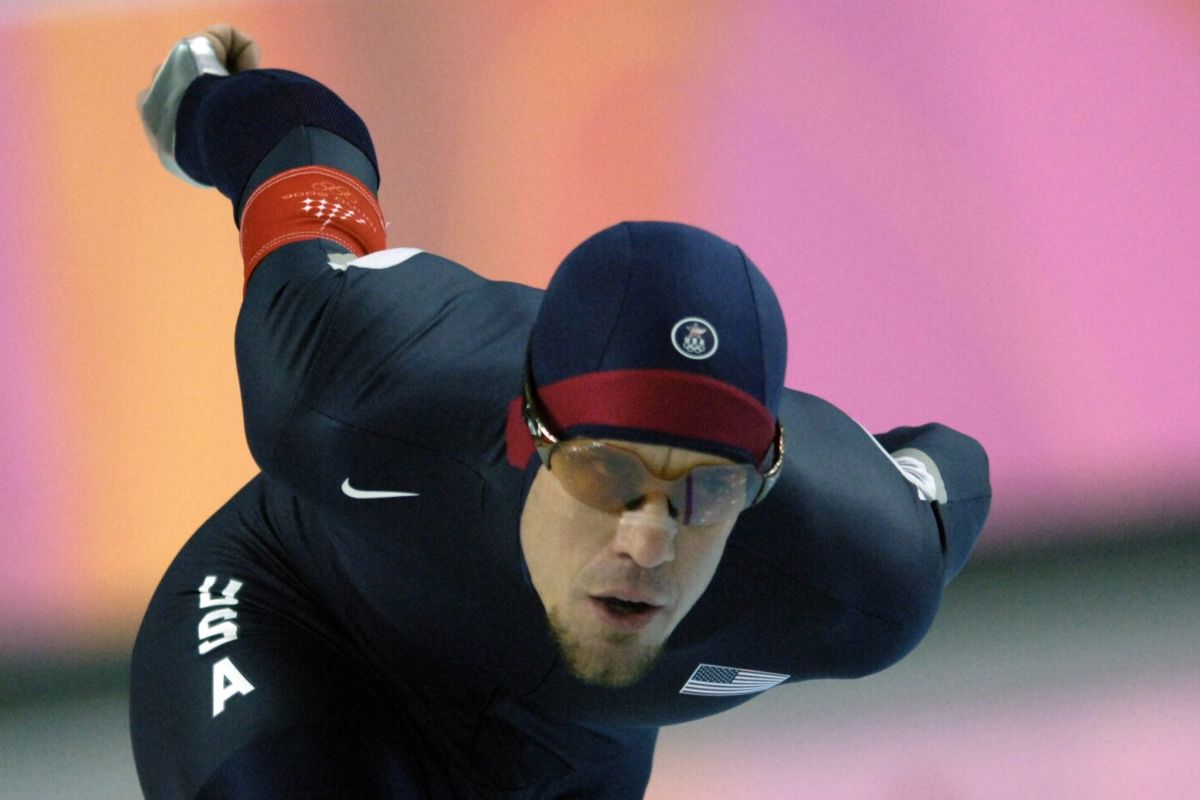


Curling Olympic Trials are a thrilling event where athletes compete for a spot in the Winter Olympics. But what makes these trials so special? Curling isn't just about sliding stones on ice; it's a game of strategy, precision, and teamwork. Did you know that the first curling trials were held in 1924? Since then, the sport has evolved, but the excitement remains the same. From the unique terminology like "house" and "hog line" to the intense sweeping action, there's a lot to learn. Whether you're a seasoned fan or new to the sport, these 25 facts will give you a deeper appreciation for the Curling Olympic Trials.
What Are Curling Olympic Trials?
Curling Olympic Trials are the competitions where teams vie for the chance to represent their country in the Winter Olympics. These events are intense, strategic, and full of surprising moments. Here are some fascinating facts about these trials.
-
The first official Curling Olympic Trials in the United States took place in 1987. Before that, teams were selected based on their performance in national championships.
-
Canada, a powerhouse in curling, held its first Olympic Trials in 1997. The event was a huge success and set the stage for future trials.
-
Curling Olympic Trials are not just about skill; they also test a team's endurance. Matches can last up to three hours, requiring both physical and mental stamina.
The Structure of Curling Olympic Trials
Understanding the structure of these trials can give you a deeper appreciation for the sport. The format is designed to ensure that the best team wins.
-
The trials usually follow a round-robin format, where each team plays against every other team. This ensures that the best teams advance to the playoffs.
-
In the playoffs, the top teams from the round-robin stage compete in a series of knockout matches. The winner of these matches earns the coveted spot in the Olympics.
-
Teams consist of four players: a lead, second, third (or vice-skip), and skip. Each player has a specific role, making teamwork crucial.
The Role of Strategy in Curling Olympic Trials
Strategy plays a significant role in curling. Teams must think several moves ahead, much like in chess.
-
The skip is the team's strategist. They decide the placement of each stone and direct their teammates on how to throw and sweep.
-
Sweeping is a critical part of the game. It can change the stone's speed and direction, making it a vital skill for all team members.
-
Teams often use a strategy called "the hammer," which refers to having the last stone in an end. This gives them a significant advantage.
Memorable Moments in Curling Olympic Trials
The trials have produced some unforgettable moments that have gone down in curling history.
-
In 2001, the U.S. men's team won their first Olympic Trials, earning a spot in the 2002 Winter Olympics in Salt Lake City.
-
Canada's Jennifer Jones made history in 2013 by winning the trials and going on to win gold at the 2014 Sochi Olympics.
-
The 2017 U.S. Curling Trials saw John Shuster's team make a dramatic comeback to win the event and later secure gold at the 2018 PyeongChang Olympics.
The Impact of Curling Olympic Trials on the Sport
These trials have a significant impact on the sport of curling, both nationally and internationally.
-
Winning the trials can catapult a team to national fame, bringing more attention to the sport.
-
The trials also serve as a platform for young, up-and-coming curlers to showcase their talent.
-
Countries with strong curling programs, like Canada and Sweden, often see increased participation in the sport following successful trials.
The Evolution of Curling Olympic Trials
The trials have evolved over the years, adapting to changes in the sport and increasing in popularity.
-
Initially, the trials were low-key events, but they have grown into major spectacles with live broadcasts and large audiences.
-
Technological advancements, such as better ice-making equipment and improved stone manufacturing, have made the game more precise and competitive.
-
The introduction of mixed doubles curling in the Olympics has added a new dimension to the trials, with separate events for this format.
Fun Facts About Curling Olympic Trials
Here are some lighter, fun facts that add to the charm of the Curling Olympic Trials.
-
Curling stones are made from a rare type of granite found only on Ailsa Craig, an island off the coast of Scotland.
-
The term "curling" comes from the unique way the stones curl or curve as they slide down the ice.
-
Curling is often called "chess on ice" because of the strategic thinking involved.
-
The sport has a long history, dating back to the 16th century in Scotland.
-
Curling brooms were originally made from corn strands, but modern brooms use synthetic materials for better performance.
-
The ice used in curling is pebbled, meaning it has tiny bumps that help the stones grip and curl.
-
Curling is one of the few sports where players are expected to call their own fouls, emphasizing sportsmanship and honesty.
Curling Olympic Trials: The Final Sweep
Curling Olympic Trials are more than just a competition; they’re a showcase of skill, strategy, and sportsmanship. From the unique terminology like "hog line" and "button" to the intense mental and physical preparation, these trials highlight the dedication of athletes. The history, rules, and fascinating facts we've covered give you a deeper appreciation for this winter sport. Whether you're a seasoned fan or new to curling, understanding these elements makes watching the trials even more exciting. So next time you see a curler slide down the ice, you’ll know just how much effort and precision goes into every move. Keep these facts in mind, and you’ll enjoy the Curling Olympic Trials even more. Happy watching!
Was this page helpful?
Our commitment to delivering trustworthy and engaging content is at the heart of what we do. Each fact on our site is contributed by real users like you, bringing a wealth of diverse insights and information. To ensure the highest standards of accuracy and reliability, our dedicated editors meticulously review each submission. This process guarantees that the facts we share are not only fascinating but also credible. Trust in our commitment to quality and authenticity as you explore and learn with us.