



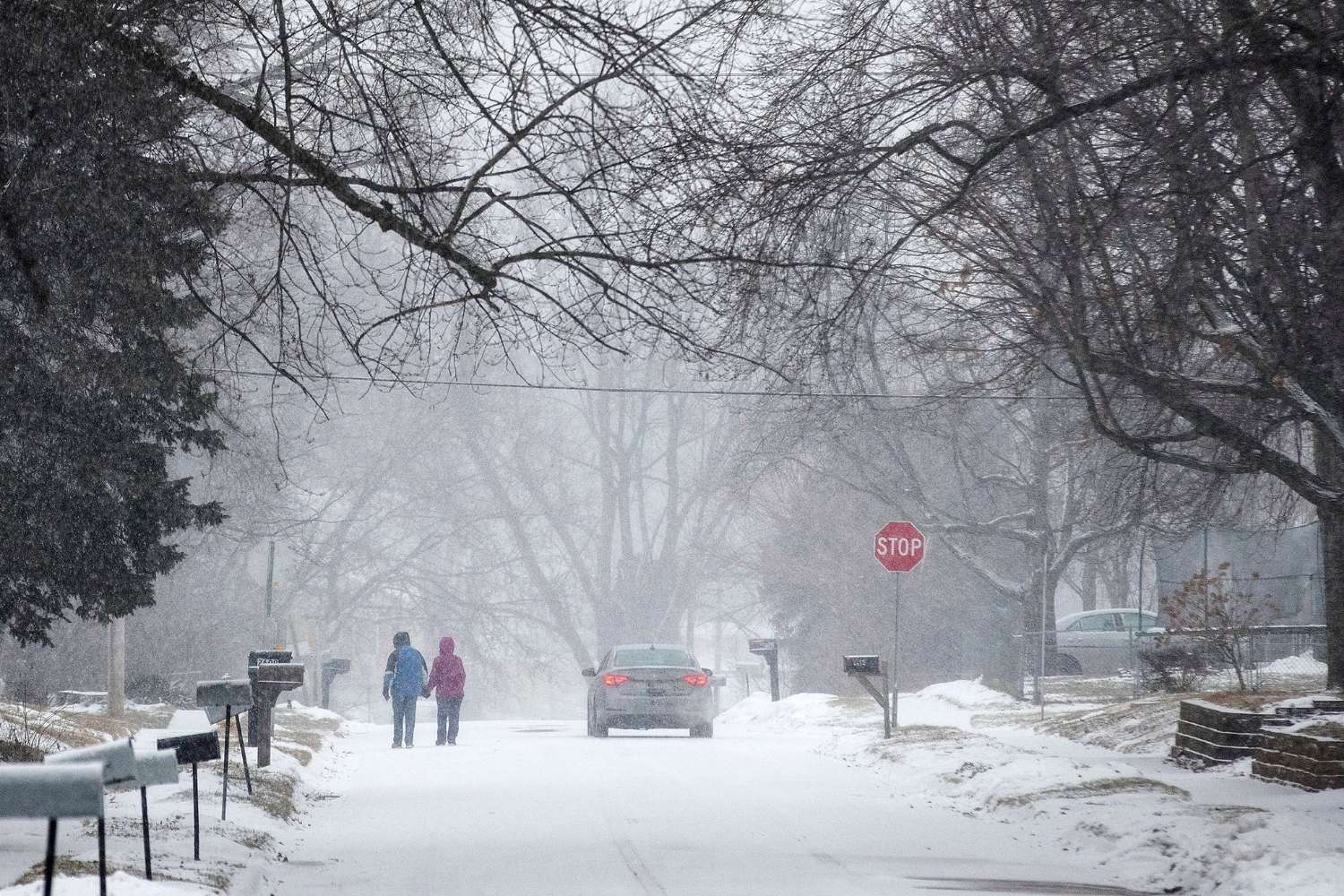
Winter storms in the Midwest and Northeast can be both mesmerizing and treacherous. These regions experience some of the harshest winter weather in the United States, with blizzards, ice storms, and heavy snowfall being common occurrences. Did you know that the Midwest often sees more snow than the Northeast due to its proximity to the Great Lakes? Lake-effect snow can dump several feet of snow in a short period, making travel nearly impossible. In the Northeast, Nor'easters are the main culprits, bringing strong winds, coastal flooding, and heavy snow. Understanding these storms can help you stay safe and prepared. Let's dive into 25 fascinating facts about these winter wonders!
Winter Storms: A Force of Nature
Winter storms in the Midwest and Northeast are a powerful force, shaping the landscape and lives of those who live there. These storms bring snow, ice, and freezing temperatures, creating both beauty and challenges. Let's dive into some fascinating facts about these winter wonders.
-
Blizzards are intense winter storms characterized by strong winds and heavy snow. To be classified as a blizzard, winds must exceed 35 mph, and visibility must be reduced to less than a quarter mile for at least three hours.
-
The Midwest and Northeast are particularly prone to lake-effect snow. This occurs when cold air moves over the warmer waters of the Great Lakes, picking up moisture and depositing it as snow on the downwind shores.
-
Nor'easters are powerful storms that affect the Northeast. These storms get their name from the strong northeast winds that blow in from the ocean, often bringing heavy snow, rain, and coastal flooding.
The Science Behind Winter Storms
Understanding the science behind winter storms can help us appreciate their complexity and predict their behavior. Here are some key scientific facts about these storms.
-
Winter storms form when cold air from the north meets warm, moist air from the south. This clash of air masses creates the perfect conditions for snow, sleet, and freezing rain.
-
The jet stream plays a crucial role in the development of winter storms. This fast-moving ribbon of air high in the atmosphere can steer storms and influence their intensity.
-
Snowflakes form when water vapor in the air freezes into ice crystals. These crystals stick together to create the intricate, unique shapes we see falling from the sky.
Historical Winter Storms
The history of winter storms in the Midwest and Northeast is filled with memorable events that have left lasting impacts. Here are some notable historical winter storms.
-
The Great Blizzard of 1888 is one of the most famous winter storms in U.S. history. It paralyzed the Northeast with up to 50 inches of snow and caused over 400 deaths.
-
The Blizzard of 1978 was a catastrophic storm that hit the Midwest and Northeast. It brought record snowfall, high winds, and severe cold, leading to widespread power outages and transportation disruptions.
-
The Ice Storm of 1998 affected parts of the Northeast and Canada. It coated everything in a thick layer of ice, causing massive power outages and significant damage to trees and infrastructure.
Impact on Daily Life
Winter storms can have a profound impact on daily life, affecting everything from transportation to energy consumption. Here are some ways these storms influence our lives.
-
Snowplows and salt trucks are essential for keeping roads clear during winter storms. These vehicles work around the clock to ensure safe travel for motorists.
-
Winter storms can cause significant disruptions to air travel. Airports may close, and flights can be delayed or canceled due to snow and ice on runways.
-
Power outages are common during winter storms. Heavy snow and ice can bring down power lines, leaving homes and businesses without electricity.
Preparing for Winter Storms
Preparation is key to staying safe and comfortable during winter storms. Here are some important tips for preparing for these events.
-
Stock up on essential supplies before a storm hits. This includes food, water, medications, and batteries for flashlights and radios.
-
Keep a winter emergency kit in your car. This should include blankets, a shovel, ice scraper, and extra warm clothing.
-
Insulate your home to keep the cold out. Adding weather stripping to doors and windows can help maintain a comfortable indoor temperature.
Fun Facts About Snow
Snow is a fascinating part of winter storms, with many interesting aspects to explore. Here are some fun facts about snow.
-
No two snowflakes are exactly alike. Each snowflake forms under unique conditions, resulting in a one-of-a-kind structure.
-
Snow is actually translucent, not white. The white appearance comes from the way light is scattered and reflected by the ice crystals.
-
The largest snowflake on record was 15 inches wide. It fell in Fort Keogh, Montana, in 1887.
The Role of Technology
Technology plays a crucial role in predicting and responding to winter storms. Here are some ways technology helps us deal with these events.
-
Weather satellites provide valuable data for forecasting winter storms. These satellites monitor cloud patterns, temperatures, and moisture levels from space.
-
Doppler radar is used to track precipitation and storm movement. This technology helps meteorologists predict where and when snow and ice will fall.
-
Snowplow tracking apps allow residents to see which roads have been cleared. This information can help drivers plan safer routes during and after a storm.
Environmental Impact
Winter storms can have significant environmental impacts, both positive and negative. Here are some ways these storms affect the environment.
-
Heavy snow can provide much-needed moisture for plants and soil. This can be especially beneficial in areas that experience dry conditions during other times of the year.
-
Winter storms can disrupt wildlife habitats. Animals may struggle to find food and shelter during severe weather conditions.
-
Salt used to melt ice on roads can harm the environment. It can contaminate water sources and damage vegetation.
Winter Storms and Climate Change
Climate change is influencing the frequency and intensity of winter storms. Here are some facts about the relationship between winter storms and climate change.
- Warmer temperatures can lead to more intense winter storms. Warmer air can hold more moisture, which can result in heavier snowfall when temperatures drop.
Winter storms are a complex and fascinating part of life in the Midwest and Northeast. Understanding these storms helps us prepare for their impact and appreciate the beauty they bring.
Winter Storms: A Force to Reckon With
Winter storms in the Midwest and Northeast are no joke. They bring blizzards, ice storms, and freezing temperatures that can disrupt daily life. Understanding these storms helps us prepare better. From the Great Blizzard of 1888 to the Polar Vortex of recent years, history shows their impact is significant. Knowing how to stay safe, like having an emergency kit and staying indoors, is crucial. These storms also remind us of the power of nature and the importance of community support during tough times. So, next time you hear about a winter storm warning, take it seriously. Stay informed, stay prepared, and stay safe. Winter storms may be fierce, but with the right knowledge and preparation, we can weather them together.
Was this page helpful?
Our commitment to delivering trustworthy and engaging content is at the heart of what we do. Each fact on our site is contributed by real users like you, bringing a wealth of diverse insights and information. To ensure the highest standards of accuracy and reliability, our dedicated editors meticulously review each submission. This process guarantees that the facts we share are not only fascinating but also credible. Trust in our commitment to quality and authenticity as you explore and learn with us.