



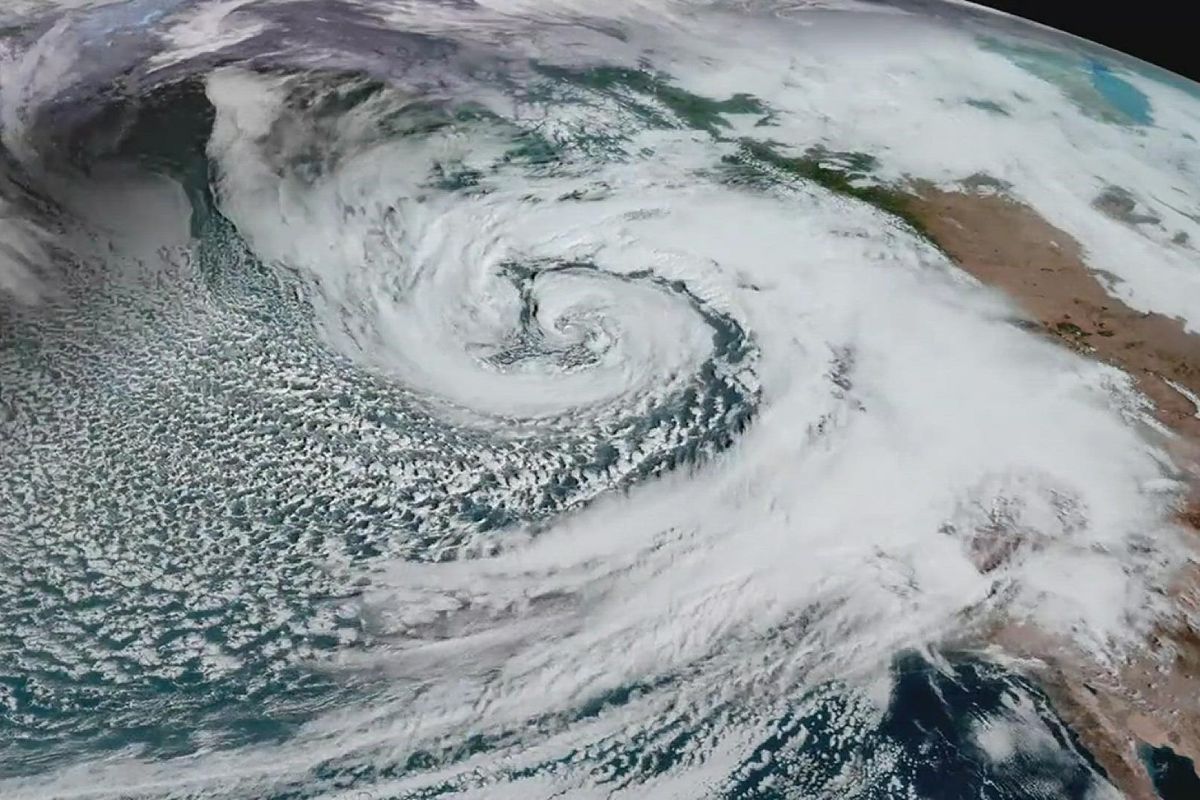
What is a bomb cyclone? A bomb cyclone, also known as a weather bomb or explosive cyclogenesis, is a rapidly intensifying storm that drops at least 24 millibars in atmospheric pressure within 24 hours. These powerful storms can bring heavy snow, rain, strong winds, and coastal flooding. They often form when cold air from the north meets warm air from the south, creating a volatile mix. Why should you care? Bomb cyclones can disrupt travel, damage property, and pose serious safety risks. Understanding these weather phenomena helps you prepare and stay safe during extreme conditions. Buckle up as we dive into 25 fascinating facts about bomb cyclones!
What is a Bomb Cyclone?
A bomb cyclone is a rapidly intensifying storm, marked by a significant drop in atmospheric pressure. These storms can bring extreme weather conditions, including heavy snow, rain, and strong winds. Let's dive into some fascinating facts about these powerful weather phenomena.
-
Bombogenesis: The process that creates a bomb cyclone is called bombogenesis. This occurs when a storm's central pressure drops by at least 24 millibars within 24 hours.
-
Origin of the Name: The term "bomb cyclone" was coined by meteorologists Fred Sanders and John Gyakum in a 1980 paper. They used it to describe storms that develop explosively.
-
Common in Winter: Bomb cyclones are most common during the winter months. Cold air from the Arctic meets warmer air from the tropics, creating the perfect conditions for these storms.
-
Rapid Intensification: These storms can intensify very quickly, making them difficult to predict and prepare for. This rapid intensification is what sets them apart from regular cyclones.
-
Nor'easters: Many bomb cyclones in the United States are Nor'easters. These storms typically affect the East Coast, bringing heavy snow and strong winds.
How Bomb Cyclones Form
Understanding the formation of bomb cyclones can help us better predict and prepare for them. Here are some key facts about their formation.
-
Temperature Contrast: Bomb cyclones form when there is a significant temperature contrast between two air masses. This contrast creates instability in the atmosphere.
-
Jet Stream Influence: The jet stream, a fast-flowing ribbon of air high in the atmosphere, plays a crucial role in the formation of bomb cyclones. It helps to steer and intensify these storms.
-
Ocean Influence: Bomb cyclones often form over the ocean, where the water provides a source of moisture and energy. This is why coastal areas are particularly vulnerable.
-
Low Pressure Systems: At the heart of a bomb cyclone is a low-pressure system. As the pressure drops, the storm intensifies, drawing in more air and creating stronger winds.
-
Cyclonic Rotation: Like all cyclones, bomb cyclones rotate counterclockwise in the Northern Hemisphere and clockwise in the Southern Hemisphere. This rotation is due to the Coriolis effect.
Impact of Bomb Cyclones
Bomb cyclones can have a significant impact on the areas they hit. Here are some facts about the effects of these powerful storms.
-
Heavy Snowfall: Bomb cyclones can bring heavy snowfall, leading to dangerous travel conditions and potential power outages.
-
Strong Winds: The strong winds associated with bomb cyclones can cause widespread damage, including downed trees and power lines.
-
Coastal Flooding: Coastal areas are particularly vulnerable to flooding from bomb cyclones. The combination of heavy rain and storm surge can lead to significant flooding.
-
Air Travel Disruptions: Bomb cyclones can cause major disruptions to air travel, with flights being delayed or canceled due to severe weather conditions.
-
Economic Impact: The economic impact of bomb cyclones can be significant, with costs associated with damage, cleanup, and lost productivity.
Historical Bomb Cyclones
Throughout history, there have been several notable bomb cyclones. Here are some facts about these historic storms.
-
Blizzard of 1978: One of the most famous bomb cyclones in U.S. history, the Blizzard of 1978, brought heavy snow and strong winds to the Northeast, causing widespread damage and disruption.
-
Storm of the Century (1993): This massive storm affected much of the eastern United States, bringing heavy snow, strong winds, and severe weather. It is considered one of the most intense bomb cyclones on record.
-
Cyclone Xaver (2013): This powerful storm affected northern Europe, bringing strong winds and heavy rain. It caused significant damage and flooding in several countries.
-
Bomb Cyclone of 2018: In January 2018, a powerful bomb cyclone brought heavy snow and strong winds to the East Coast of the United States, causing widespread disruption.
-
Cyclone Tauktae (2021): This powerful storm affected India, bringing heavy rain, strong winds, and significant flooding. It was one of the most intense bomb cyclones to hit the region in recent years.
Preparing for a Bomb Cyclone
Preparation is key when it comes to dealing with bomb cyclones. Here are some important facts about how to prepare for these storms.
-
Emergency Kits: Having an emergency kit with essential supplies, such as food, water, and medications, is crucial when preparing for a bomb cyclone.
-
Stay Informed: Keeping up to date with weather forecasts and warnings can help you stay informed about the potential impact of a bomb cyclone.
-
Secure Property: Securing your property, such as bringing in outdoor furniture and trimming trees, can help minimize damage from strong winds.
-
Evacuation Plans: Having an evacuation plan in place can help ensure your safety in the event of a bomb cyclone. Know your evacuation routes and have a plan for where to go.
-
Community Support: Working together with your community can help everyone stay safe during a bomb cyclone. Check on neighbors, especially those who may need extra assistance.
Final Thoughts on Bomb Cyclones
Bomb cyclones are intense weather systems that can cause significant damage and disruption. These storms form rapidly, with pressure dropping quickly, leading to strong winds, heavy rain, and sometimes snow. Understanding how they develop helps us prepare better for their impact. While they can be dangerous, advancements in meteorology have improved our ability to predict and respond to these powerful storms. Staying informed and prepared is key to minimizing their effects. Whether you're in a coastal area or inland, knowing the signs and having a plan can make a big difference. So, next time you hear about a bomb cyclone, you'll know it's not just a fancy term but a serious weather event that requires attention and respect. Stay safe, stay informed, and always be ready for what Mother Nature might throw your way.
Was this page helpful?
Our commitment to delivering trustworthy and engaging content is at the heart of what we do. Each fact on our site is contributed by real users like you, bringing a wealth of diverse insights and information. To ensure the highest standards of accuracy and reliability, our dedicated editors meticulously review each submission. This process guarantees that the facts we share are not only fascinating but also credible. Trust in our commitment to quality and authenticity as you explore and learn with us.