



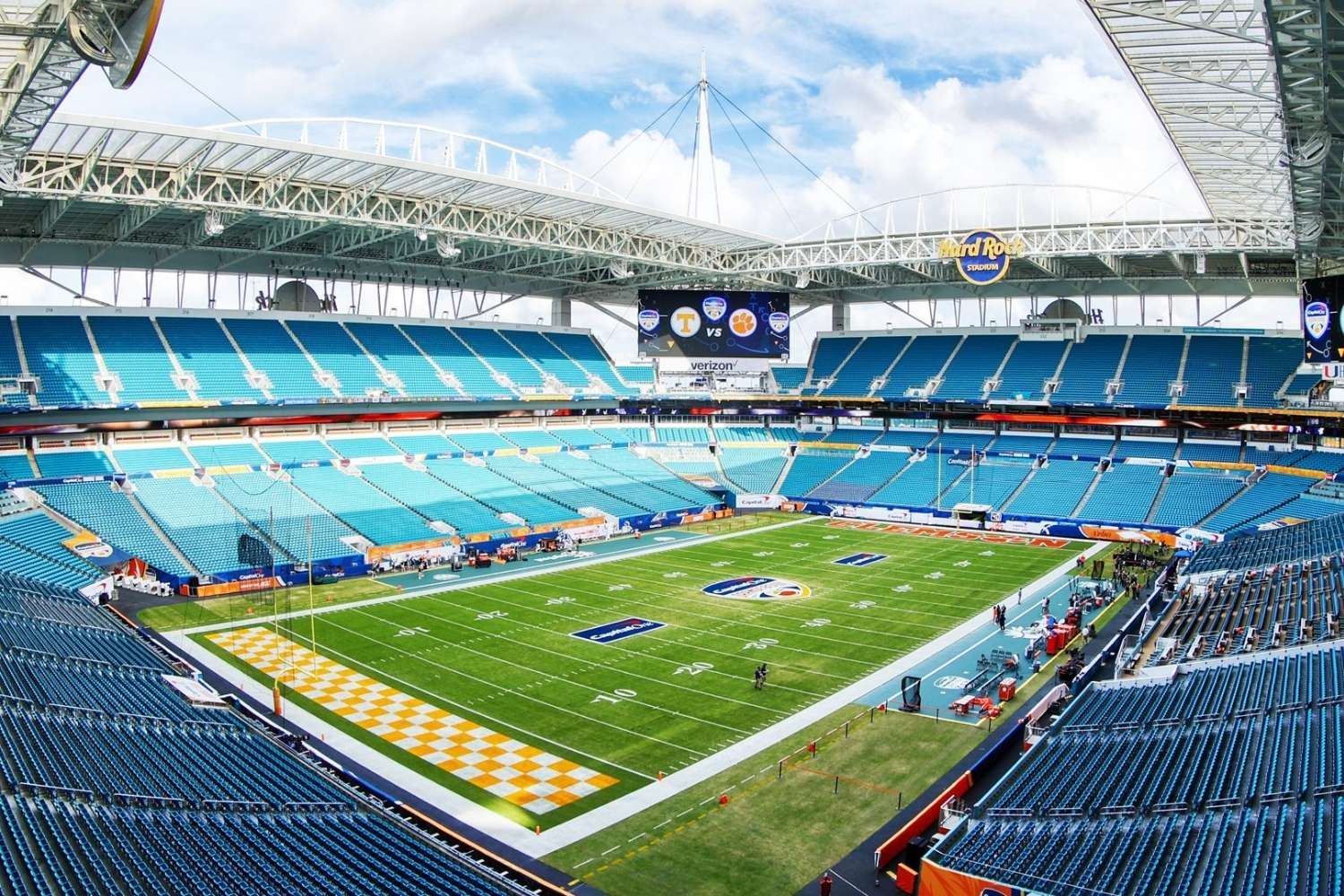
Did you know the Orange Bowl Stadium was once a hub for major sports events and concerts? This iconic venue, located in Miami, Florida, hosted countless memorable moments from its opening in 1937 until its demolition in 2008. Known for its vibrant atmosphere, the stadium was home to the Miami Hurricanes and the Miami Dolphins. It also witnessed historic events like Super Bowl games and legendary concerts. Despite being replaced by newer facilities, the Orange Bowl's legacy endures in the hearts of sports fans and music lovers alike. Curious about more intriguing facts? Let's dive into the rich history and fascinating details of this beloved stadium.
The Birth of Orange Bowl Stadium
The Orange Bowl Stadium, a historic sports venue, has seen countless memorable moments. Let's dive into some fascinating facts about this iconic stadium.
-
Opened in 1937
The Orange Bowl Stadium first opened its doors in 1937. Originally named the Miami Stadium, it was built to host the University of Miami Hurricanes football team. -
Renamed in 1959
In 1959, the stadium was officially renamed the Orange Bowl Stadium. This change was made to reflect its association with the annual Orange Bowl game.
Architectural Marvels
The stadium's design and structure have their own stories to tell. Here are some intriguing architectural facts.
-
Seating Capacity
Initially, the stadium could accommodate 23,330 spectators. Over the years, expansions increased its capacity to over 80,000. -
Unique Double Deck
The Orange Bowl featured a unique double-deck design, which was quite advanced for its time. This design allowed for better views from almost every seat. -
Renovations in the 1940s
During the 1940s, the stadium underwent significant renovations. These changes included adding more seats and improving facilities to enhance the fan experience.
Memorable Events
The Orange Bowl Stadium has hosted numerous unforgettable events. Here are some highlights.
-
Super Bowl Host
The stadium hosted five Super Bowl games. The first was Super Bowl II in 1968, where the Green Bay Packers defeated the Oakland Raiders. -
Historic Concerts
Legendary musicians like The Rolling Stones and The Who performed at the Orange Bowl. These concerts drew massive crowds and are still remembered fondly. -
1987 Pope Visit
Pope John Paul II visited the stadium in 1987. This event attracted thousands of attendees and remains a significant moment in the stadium's history.
College Football Legacy
College football has deep roots in the Orange Bowl Stadium. Here are some key facts about its college football legacy.
-
University of Miami Home
The University of Miami Hurricanes called the Orange Bowl home for 70 years. The team played its last game there in 2007. -
National Championships
The stadium witnessed several national championship games. Notably, the Miami Hurricanes won five national titles while playing at the Orange Bowl. -
Orange Bowl Game
The annual Orange Bowl game, one of college football's oldest bowl games, was held at the stadium from 1938 until 1996.
Cultural Impact
The Orange Bowl Stadium has left a lasting cultural impact. Here are some ways it influenced culture and society.
-
Film and TV Appearances
The stadium appeared in various movies and TV shows. It was featured in films like "Any Given Sunday" and TV series like "Miami Vice." -
Community Events
Beyond sports, the stadium hosted numerous community events. These included high school graduations, local festivals, and charity events. -
Symbol of Miami
The Orange Bowl became a symbol of Miami's sports culture. Its iconic status made it a beloved landmark for residents and visitors alike.
The Final Years
The stadium's final years were marked by nostalgia and reflection. Here are some facts about its last days.
-
Demolition in 2008
The Orange Bowl was demolished in 2008. The decision was made to make way for the new Marlins Park, a baseball stadium. -
Farewell Game
The final game played at the Orange Bowl was on January 26, 2008. The University of Miami Hurricanes faced off against the Virginia Cavaliers. -
Memorabilia Auction
Before demolition, an auction was held to sell memorabilia from the stadium. Fans had the chance to own a piece of Orange Bowl history.
Legacy and Memories
Even though the stadium no longer stands, its legacy lives on. Here are some ways it continues to be remembered.
-
Orange Bowl Legacy Trust
The Orange Bowl Legacy Trust was established to preserve the history and memories of the stadium. The trust funds scholarships and community programs. -
Commemorative Plaque
A commemorative plaque was installed at the site of the former stadium. It serves as a reminder of the Orange Bowl's rich history. -
Documentaries and Books
Several documentaries and books have been created to celebrate the stadium's history. These works capture the essence of what made the Orange Bowl special.
Fun Facts
Let's wrap up with some fun and quirky facts about the Orange Bowl Stadium.
-
First Night Game
The first night game at the stadium took place in 1944. This game marked a new era of football under the lights. -
Celebrity Appearances
Celebrities like Frank Sinatra and Elvis Presley attended games and events at the Orange Bowl. Their presence added a touch of glamour to the stadium. -
Mascot Mayhem
The University of Miami's mascot, Sebastian the Ibis, became a fixture at the stadium. His antics entertained fans and added to the game-day experience. -
Unique Turf
The stadium's turf was known for its unique blend of grass. This special mix provided a durable and visually appealing playing surface. -
Time Capsule
A time capsule was buried at the site of the Orange Bowl. It contains memorabilia and messages from fans, to be opened in the future.
The Final Whistle
Orange Bowl Stadium holds a special place in sports history. From hosting legendary football games to unforgettable concerts, this venue has seen it all. Its rich history, unique architecture, and memorable moments make it a landmark worth remembering. Whether you're a sports fan, music lover, or history buff, the Orange Bowl offers something for everyone.
As we look back on its legacy, it's clear that the stadium was more than just a place for events. It was a community hub, a source of pride, and a witness to countless stories. Though the stadium no longer stands, its impact remains. The memories created there continue to inspire and bring joy to many. So next time you think of iconic sports venues, don't forget the Orange Bowl. Its legacy lives on in the hearts of many.
Was this page helpful?
Our commitment to delivering trustworthy and engaging content is at the heart of what we do. Each fact on our site is contributed by real users like you, bringing a wealth of diverse insights and information. To ensure the highest standards of accuracy and reliability, our dedicated editors meticulously review each submission. This process guarantees that the facts we share are not only fascinating but also credible. Trust in our commitment to quality and authenticity as you explore and learn with us.