



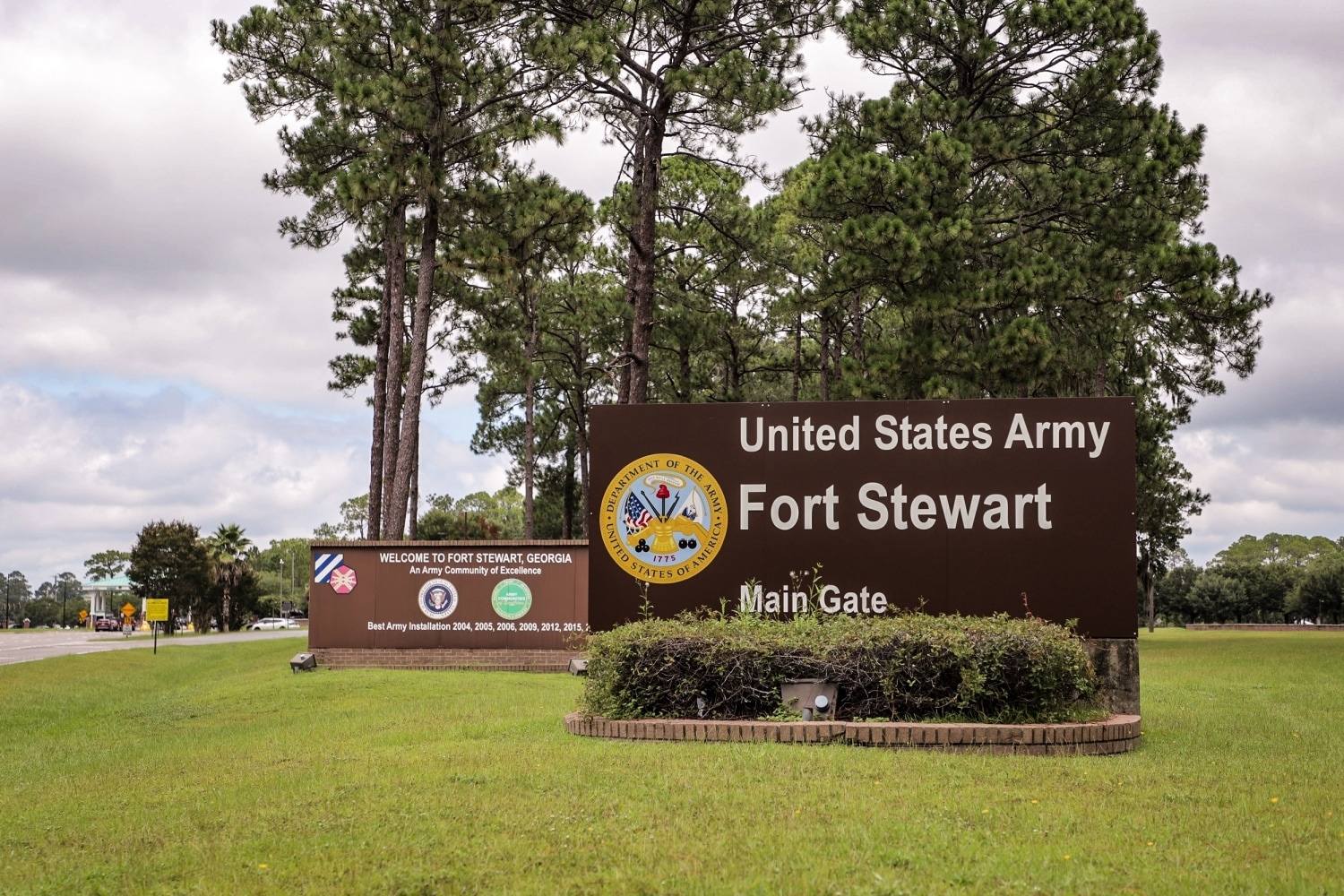
Fort Stewart is a massive military installation located in Georgia, known for its rich history and vital role in the U.S. Army. Did you know that Fort Stewart is the largest Army installation east of the Mississippi River? This sprawling base covers over 280,000 acres, providing ample space for training and operations. Established in 1940, it has been a crucial training ground for soldiers preparing for various conflicts. The base is home to the 3rd Infantry Division, also known as the "Rock of the Marne," which has a storied past dating back to World War I. Fort Stewart also boasts diverse ecosystems, including forests, swamps, and rivers, making it a unique blend of military might and natural beauty. Whether you're a history buff or just curious, these 25 facts will give you a deeper understanding of this significant military hub.
Fort Stewart: A Historical Overview
Fort Stewart, located in Georgia, is a significant military installation with a rich history. Let's dive into some fascinating facts about this remarkable place.
- Fort Stewart was established in 1940 as an anti-aircraft training center during World War II.
- Named after General Daniel Stewart, a Revolutionary War hero from Liberty County, Georgia.
- Initially called Camp Stewart, it became Fort Stewart in 1956.
- The fort covers approximately 280,000 acres, making it the largest Army installation east of the Mississippi River.
- Fort Stewart is home to the 3rd Infantry Division, known for its role in major conflicts like World War II, the Korean War, and the Gulf War.
Military Significance
Fort Stewart plays a crucial role in the U.S. military's operations and training. Here are some key points about its military importance.
- The fort serves as a premier training ground for tank, artillery, helicopter, and infantry units.
- It features the largest live-fire training area east of the Mississippi River.
- Fort Stewart's training facilities include multiple ranges, maneuver areas, and simulation centers.
- The installation supports rapid deployment of troops and equipment, thanks to its strategic location near the Port of Savannah.
- The fort has hosted numerous joint training exercises with allied nations, enhancing international military cooperation.
Natural Environment
Fort Stewart isn't just about military operations; it also boasts a diverse natural environment. Let's explore some interesting aspects of its ecosystem.
- The installation is home to the endangered red-cockaded woodpecker, which thrives in its longleaf pine forests.
- Fort Stewart's land includes wetlands, swamps, and rivers, providing habitats for various wildlife species.
- The fort's Fish and Wildlife Branch manages over 30,000 acres for hunting and fishing activities.
- It has several designated areas for outdoor recreation, including hiking, camping, and birdwatching.
- Fort Stewart's environmental stewardship programs aim to balance military training with conservation efforts.
Community and Culture
Fort Stewart has a vibrant community and rich cultural heritage. Here are some noteworthy facts about its social aspects.
- The fort supports over 20,000 active-duty soldiers and their families, creating a bustling community.
- It offers various amenities, including schools, medical facilities, and recreational centers.
- Fort Stewart hosts annual events like the Marne Week celebration, honoring the 3rd Infantry Division's history and achievements.
- The installation has a strong partnership with nearby Hinesville, fostering economic growth and community development.
- Fort Stewart's museums and historical sites, such as the Fort Stewart Museum, preserve and showcase its storied past.
Technological Advancements
Fort Stewart is at the forefront of integrating technology into military training and operations. Here are some highlights of its technological advancements.
- The fort utilizes advanced simulation systems for realistic training scenarios, enhancing soldier readiness.
- It has state-of-the-art communication infrastructure, ensuring seamless coordination during missions.
- Fort Stewart's drone training programs prepare soldiers for modern warfare tactics.
- The installation employs cutting-edge medical technology to provide top-notch healthcare for soldiers and their families.
- Fort Stewart's research and development initiatives focus on improving military equipment and strategies for future conflicts.
Final Thoughts on Fort Stewart
Fort Stewart is more than just a military base. It’s a place rich in history, culture, and natural beauty. From its origins in World War II to its role today, Fort Stewart has played a crucial part in American military history. The base is home to the 3rd Infantry Division, known for its bravery and dedication. Beyond its military significance, Fort Stewart offers a variety of recreational activities, including fishing, hunting, and hiking. The base also supports a vibrant community with schools, medical facilities, and family services. Whether you’re a history buff, an outdoor enthusiast, or someone connected to the military, Fort Stewart has something to offer. It’s a place where history and modern life coexist, providing a unique experience for all who visit or live there. So next time you think of Fort Stewart, remember it’s not just a base—it’s a community.
Was this page helpful?
Our commitment to delivering trustworthy and engaging content is at the heart of what we do. Each fact on our site is contributed by real users like you, bringing a wealth of diverse insights and information. To ensure the highest standards of accuracy and reliability, our dedicated editors meticulously review each submission. This process guarantees that the facts we share are not only fascinating but also credible. Trust in our commitment to quality and authenticity as you explore and learn with us.