



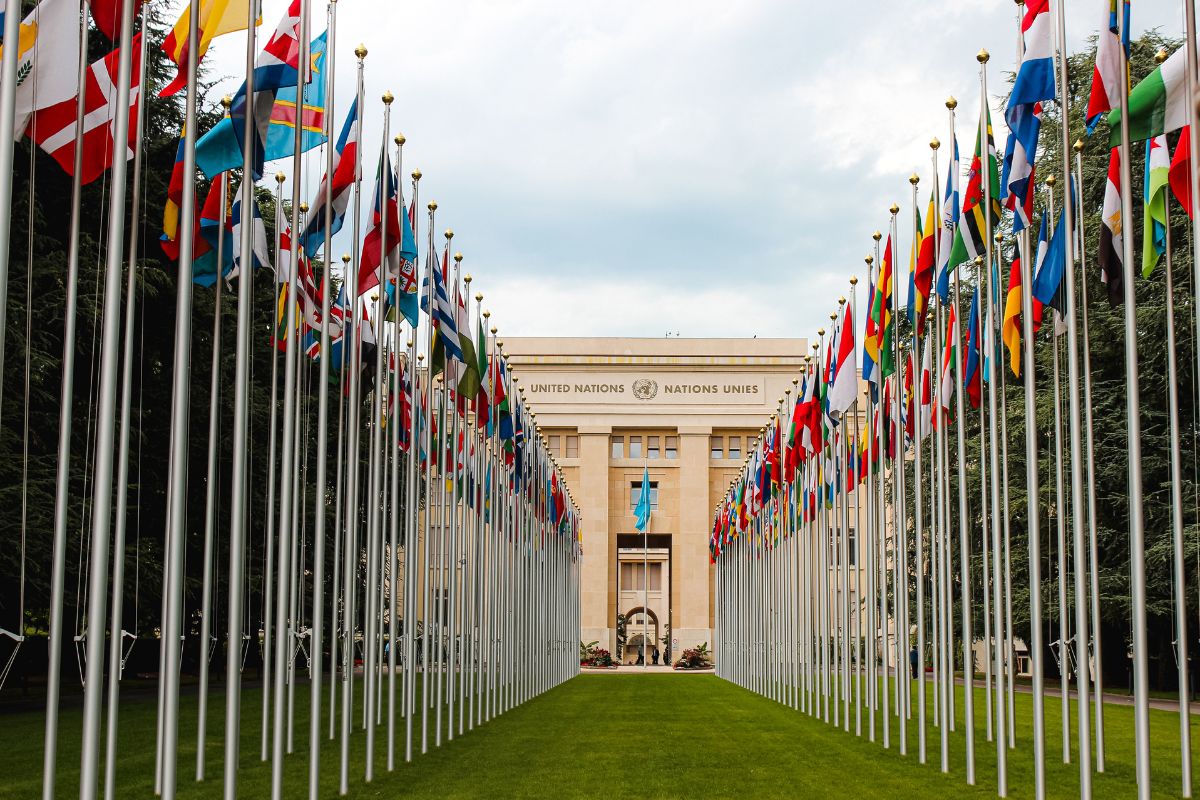
What exactly is a Third World country? The term "Third World" originally referred to countries not aligned with NATO or the Communist Bloc during the Cold War. Today, it often describes nations with lower economic development, limited industrialization, and lower living standards. These countries face challenges like poverty, lack of access to education, and inadequate healthcare. However, they also possess rich cultures, diverse ecosystems, and untapped potential. Understanding the complexities of these nations helps us appreciate their struggles and strengths. Let's dive into 25 intriguing facts about Third World countries that will broaden your perspective and deepen your knowledge.
Understanding Third World Countries
Third World countries often face unique challenges and opportunities. These nations, typically characterized by lower economic development, can offer surprising insights into global diversity and resilience. Let's explore some fascinating facts about these countries.
Economic Challenges and Growth
Economic conditions in Third World countries can vary widely, but they often share common struggles and growth patterns.
- Low GDP Per Capita: Many Third World countries have a low Gross Domestic Product (GDP) per capita, reflecting widespread poverty and limited economic resources.
- Agriculture-Dependent Economies: A significant portion of the population in these countries relies on agriculture for their livelihood, making them vulnerable to climate change and market fluctuations.
- High Debt Levels: Many Third World countries carry substantial national debt, which can hinder economic development and access to international financial markets.
- Informal Economy: A large part of the economy operates informally, meaning many businesses and workers are not regulated or taxed by the government.
- Foreign Aid Dependency: These countries often depend on foreign aid for development projects and humanitarian assistance.
Social and Health Issues
Social and health challenges are prevalent in Third World countries, impacting the quality of life and overall development.
- High Infant Mortality Rates: Infant mortality rates are significantly higher in Third World countries due to inadequate healthcare and poor living conditions.
- Limited Access to Education: Many children in these countries do not have access to quality education, which affects literacy rates and future economic opportunities.
- Malnutrition: Malnutrition is a common issue, particularly among children, due to food insecurity and poverty.
- Infectious Diseases: Diseases such as malaria, tuberculosis, and HIV/AIDS are more prevalent, often due to limited healthcare infrastructure.
- Gender Inequality: Women and girls often face significant barriers to education, employment, and healthcare, perpetuating cycles of poverty and inequality.
Cultural Richness and Diversity
Despite economic and social challenges, Third World countries are rich in cultural heritage and diversity.
- Multilingual Societies: Many of these countries are home to a multitude of languages, reflecting their diverse ethnic and cultural backgrounds.
- Traditional Practices: Traditional customs and practices remain an integral part of daily life, influencing everything from cuisine to festivals.
- Art and Music: These countries often have vibrant art and music scenes, with unique styles that reflect their cultural heritage.
- Community-Oriented Living: Strong community ties and collective living are common, providing social support and resilience.
- Rich History: Many Third World countries have ancient histories and have been home to some of the world's earliest civilizations.
Environmental and Geographical Features
The geographical and environmental landscapes of Third World countries are often stunning and diverse.
- Biodiversity Hotspots: Many of these countries are located in regions with high biodiversity, hosting a wide variety of plant and animal species.
- Natural Resources: They are often rich in natural resources such as minerals, oil, and forests, though these can be both a blessing and a curse.
- Climate Vulnerability: These countries are particularly vulnerable to climate change, facing extreme weather events like droughts, floods, and hurricanes.
- Beautiful Landscapes: From lush rainforests to vast deserts, the natural beauty of these countries is often breathtaking.
- Ecotourism Potential: The unique environmental features make them attractive destinations for ecotourism, which can be a source of sustainable income.
Political and Governance Issues
Political stability and governance are critical issues in many Third World countries.
- Political Instability: Many of these countries experience political instability, including frequent changes in government, coups, and civil unrest.
- Corruption: Corruption is a significant problem, affecting all levels of government and hindering development efforts.
- Human Rights Issues: Human rights abuses are more common, with limited freedom of speech, press, and assembly in some regions.
- Weak Institutions: Government institutions often lack the capacity and resources to effectively manage public services and development projects.
- International Relations: These countries often play complex roles in international relations, balancing relationships with more developed nations and regional neighbors.
Final Thoughts on Third World Countries
Understanding third world countries goes beyond just statistics. These nations, often marked by economic challenges, also showcase incredible resilience and cultural richness. From diverse traditions to innovative solutions for everyday problems, they offer a unique perspective on human ingenuity. While poverty and lack of infrastructure are significant issues, many of these countries are making strides in education, healthcare, and technology. It's essential to recognize their potential and contributions to the global community. By shedding light on their realities, we can foster greater understanding and support for their development efforts. Let's continue to learn and engage with these nations, appreciating their strengths and working together for a better future.
Was this page helpful?
Our commitment to delivering trustworthy and engaging content is at the heart of what we do. Each fact on our site is contributed by real users like you, bringing a wealth of diverse insights and information. To ensure the highest standards of accuracy and reliability, our dedicated editors meticulously review each submission. This process guarantees that the facts we share are not only fascinating but also credible. Trust in our commitment to quality and authenticity as you explore and learn with us.