



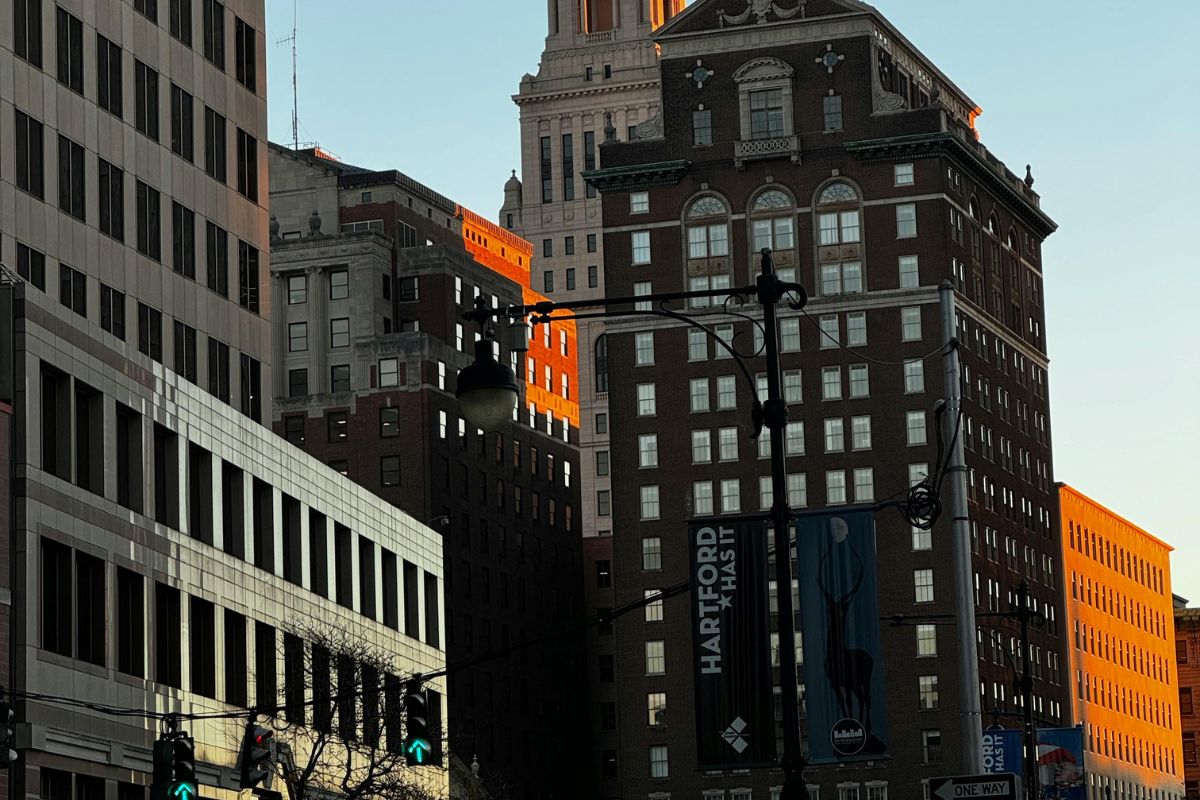
Hartford, Connecticut, often called the "Insurance Capital of the World," is a city rich in history and culture. Did you know it’s one of the oldest cities in the United States? Founded in 1635, Hartford has been a hub of innovation and progress for centuries. Mark Twain and Harriet Beecher Stowe both called this city home, adding to its literary legacy. The Wadsworth Atheneum, the oldest public art museum in the country, is located here. Hartford also boasts the oldest continuously published newspaper, the Hartford Courant. From its historic architecture to its vibrant arts scene, Hartford offers a unique blend of the past and present. Ready to learn more? Here are 30 fascinating facts about Hartford that will surprise and delight you!
Hartford's Historical Significance
Hartford, Connecticut, is a city rich in history and culture. Let's dive into some fascinating facts about this remarkable place.
-
Oldest Public Art Museum: The Wadsworth Atheneum, founded in 1842, is the oldest continuously operating public art museum in the United States. It houses over 50,000 works of art.
-
Mark Twain's Home: The famous author Mark Twain lived in Hartford from 1874 to 1891. His house, now a museum, is where he wrote classics like "The Adventures of Tom Sawyer" and "Adventures of Huckleberry Finn."
-
First Public Park: Bushnell Park, established in 1854, is the oldest publicly funded park in the U.S. It was designed by Jacob Weidenmann and remains a central green space in the city.
-
Insurance Capital: Hartford is known as the "Insurance Capital of the World." Many major insurance companies, including Aetna and The Hartford, have their headquarters here.
-
Charter Oak: The Charter Oak was a large white oak tree that hid Connecticut's Royal Charter in 1687. The tree fell during a storm in 1856, but its legacy lives on in Hartford's history.
Cultural and Educational Landmarks
Hartford isn't just about history; it's also a hub for culture and education. Here are some key points of interest.
-
Hartford Stage: This regional theater has won numerous Tony Awards and is known for producing innovative and thought-provoking plays.
-
Trinity College: Founded in 1823, Trinity College is one of the oldest liberal arts colleges in the country. Its campus features beautiful Gothic architecture.
-
Connecticut Science Center: Opened in 2009, this center offers hands-on exhibits and interactive displays that make science fun for all ages.
-
Bushnell Center for the Performing Arts: This venue hosts Broadway shows, concerts, and other performances. It has been a cultural cornerstone since 1930.
-
Harriet Beecher Stowe Center: Located next to Mark Twain's house, this museum is dedicated to the author of "Uncle Tom's Cabin," a book that had a profound impact on America's view of slavery.
Unique Features and Fun Facts
Hartford has some unique features that make it stand out. Here are some fun and lesser-known facts.
-
First FM Radio Station: WDRC-FM, based in Hartford, was one of the first FM radio stations in the world, starting its broadcast in 1939.
-
Pratt Street Historic District: This charming area features well-preserved 19th-century buildings and is a popular spot for dining and shopping.
-
Riverfront Recapture: This initiative has transformed Hartford's riverfront into a vibrant area with parks, trails, and event spaces.
-
Hartford Circus Fire: In 1944, a tragic fire at a Ringling Bros. and Barnum & Bailey Circus performance killed 167 people. The event led to significant changes in fire safety regulations.
-
Elizabeth Park: This park is home to the nation's oldest public rose garden, established in 1904. It features over 15,000 rose bushes and 800 varieties.
Economic and Social Impact
Hartford has played a significant role in shaping the economic and social landscape of Connecticut and beyond.
-
Colt Armory: Samuel Colt's firearms manufacturing company, established in 1855, revolutionized the gun industry. The blue onion dome of the Colt Armory is a city landmark.
-
Hartford Convention Center: Opened in 2005, this center hosts conventions, trade shows, and other large events, boosting the local economy.
-
Hartford Public Library: Established in 1774, it is one of the oldest public libraries in the United States and serves as a vital community resource.
-
Hartford Hospital: Founded in 1854, it is one of the largest teaching hospitals in New England and a leader in medical research and innovation.
-
Connecticut River: The river has been crucial for trade and transportation since the city's founding. Today, it offers recreational activities like boating and fishing.
Notable Residents and Contributions
Hartford has been home to many notable figures who have made significant contributions to various fields.
-
Noah Webster: The lexicographer who created the first American dictionary was born in Hartford. His work standardized American English.
-
J.P. Morgan: The influential banker and financier was born in Hartford in 1837. He played a key role in shaping the modern financial industry.
-
Katharine Hepburn: The iconic actress spent her later years in nearby Old Saybrook but was a frequent visitor to Hartford.
-
Wallace Stevens: The Pulitzer Prize-winning poet lived in Hartford while working as an insurance executive. His poetry often reflects his experiences in the city.
-
Frederick Law Olmsted: The father of American landscape architecture, who designed Central Park, was born in Hartford. His work has had a lasting impact on urban planning.
Modern Developments and Future Prospects
Hartford continues to evolve, with new developments and initiatives shaping its future.
-
Downtown Revitalization: Efforts to revitalize downtown Hartford have led to new residential, commercial, and entertainment spaces, attracting more people to the city center.
-
UConn Hartford Campus: The University of Connecticut's Hartford campus, relocated downtown in 2017, brings students and academic resources to the heart of the city.
-
Sustainability Initiatives: Hartford is committed to sustainability, with projects like the Hartford Climate Stewardship Initiative aiming to reduce the city's carbon footprint.
-
Innovation Hub: The city is becoming a hub for innovation and technology, with startups and tech companies finding a home in Hartford.
-
Community Engagement: Numerous community organizations and initiatives work to improve the quality of life for Hartford residents, fostering a sense of unity and progress.
Hartford's Rich Tapestry
Hartford's history and culture offer a fascinating blend of old and new. From its founding in 1635 to its status as the "Insurance Capital of the World," this city has played a pivotal role in American history. The Wadsworth Atheneum, the oldest public art museum in the U.S., and the Mark Twain House are just a couple of the gems that make Hartford unique.
The city’s diverse neighborhoods, vibrant arts scene, and educational institutions like Trinity College contribute to its dynamic character. Whether you’re exploring Bushnell Park, catching a show at the Bushnell Center for the Performing Arts, or enjoying a meal in one of its many restaurants, Hartford has something for everyone.
Understanding these facts about Hartford not only enriches your knowledge but also deepens your appreciation for this historic city. So next time you visit, you'll see Hartford through a whole new lens.
Was this page helpful?
Our commitment to delivering trustworthy and engaging content is at the heart of what we do. Each fact on our site is contributed by real users like you, bringing a wealth of diverse insights and information. To ensure the highest standards of accuracy and reliability, our dedicated editors meticulously review each submission. This process guarantees that the facts we share are not only fascinating but also credible. Trust in our commitment to quality and authenticity as you explore and learn with us.