



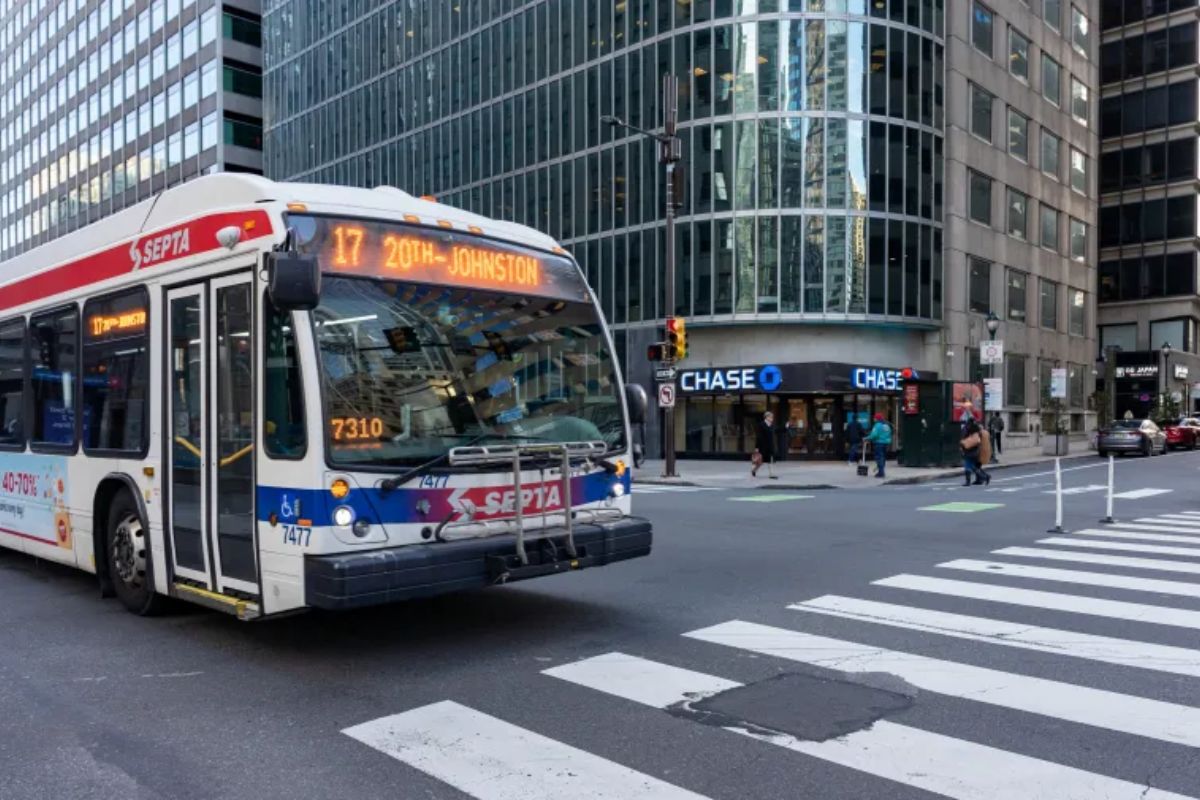
Why did the SEPTA strike happen? The SEPTA strike occurred due to unresolved disputes between the Southeastern Pennsylvania Transportation Authority (SEPTA) and its workers over wages, benefits, and working conditions. These disagreements led to a halt in services, impacting thousands of daily commuters. Strikes like these often arise when negotiations between labor unions and management fail to reach a satisfactory agreement. Workers demand fair compensation and better working environments, while management grapples with budget constraints and operational challenges. Understanding the reasons behind the strike helps highlight the ongoing struggles within public transportation systems and the importance of fair labor practices.
What is the SEPTA Strike?
The SEPTA strike refers to a work stoppage by employees of the Southeastern Pennsylvania Transportation Authority (SEPTA). These strikes can disrupt public transportation services, affecting thousands of daily commuters. Here are some intriguing facts about the SEPTA strike:
-
The first major SEPTA strike occurred in 1977, lasting 44 days and causing significant disruptions in Philadelphia.
-
SEPTA strikes typically involve negotiations between the Transport Workers Union (TWU) Local 234 and SEPTA management.
-
In 2005, a SEPTA strike lasted seven days, affecting over 400,000 daily riders.
-
The 2016 SEPTA strike lasted six days and ended just before the presidential election, ensuring voters could reach polling stations.
-
During strikes, alternative transportation methods like carpooling, biking, and walking see a significant increase.
Reasons Behind SEPTA Strikes
Understanding why SEPTA employees strike can shed light on the complexities of labor relations within public transportation.
-
Wage disputes are a common cause of SEPTA strikes, with workers seeking better pay and benefits.
-
Health care benefits often become a sticking point during negotiations, as employees push for more comprehensive coverage.
-
Pension plans and retirement benefits are frequently debated topics during SEPTA strike negotiations.
-
Working conditions, including safety measures and job security, can also lead to strikes.
-
Technological changes and automation sometimes cause friction, as workers fear job losses or increased workloads.
Impact on Commuters
SEPTA strikes have a profound impact on daily commuters, altering their routines and causing inconvenience.
-
During a strike, bus, trolley, and subway services are typically halted, forcing commuters to find alternative routes.
-
Traffic congestion increases significantly as more people rely on cars to get around.
-
Businesses in Philadelphia experience disruptions, with employees struggling to reach their workplaces.
-
Schools and universities may see lower attendance rates as students face transportation challenges.
-
Ride-sharing services like Uber and Lyft often see a surge in demand during SEPTA strikes.
Historical Strikes and Their Resolutions
Examining past SEPTA strikes provides insight into how these labor disputes are resolved.
-
The 1998 SEPTA strike lasted 40 days, ending with a compromise on wage increases and health benefits.
-
In 1995, a 24-day strike concluded with an agreement on pension improvements and job security measures.
-
The 1983 strike, which lasted 108 days, remains the longest in SEPTA history, ending with significant concessions from both sides.
-
During the 2009 strike, a tentative agreement was reached after six days, focusing on wage increases and pension contributions.
-
Mediation and arbitration often play crucial roles in resolving SEPTA strikes, helping both parties reach a middle ground.
The Role of Public Opinion
Public opinion can influence the outcome of SEPTA strikes, as both sides seek to gain support from the community.
-
Media coverage of SEPTA strikes can sway public opinion, highlighting the struggles of commuters and workers alike.
-
Public protests and rallies sometimes occur during strikes, with commuters voicing their frustrations and demands.
-
Social media platforms become a battleground for opinions, with hashtags and online campaigns gaining traction.
-
Political figures may intervene in SEPTA strikes, urging both sides to reach a resolution for the sake of the public.
-
Community organizations and advocacy groups often step in to provide support and resources for affected commuters.
The End of the Line
The SEPTA strike left a significant mark on Philadelphia's daily life. From disrupted commutes to economic impacts, it showed how crucial public transportation is. The strike highlighted the importance of fair labor practices and the need for better communication between workers and management. It wasn't just about buses and trains; it was about people, their livelihoods, and their routines.
Understanding these facts helps us appreciate the complexities behind such events. Next time you hop on a SEPTA bus or train, remember the stories and struggles that keep the wheels turning. Public transportation is more than a service; it's a lifeline for many. Let's hope future negotiations lead to smoother rides for everyone involved.
Stay informed, stay empathetic, and always value the hard work behind the scenes.
Was this page helpful?
Our commitment to delivering trustworthy and engaging content is at the heart of what we do. Each fact on our site is contributed by real users like you, bringing a wealth of diverse insights and information. To ensure the highest standards of accuracy and reliability, our dedicated editors meticulously review each submission. This process guarantees that the facts we share are not only fascinating but also credible. Trust in our commitment to quality and authenticity as you explore and learn with us.