



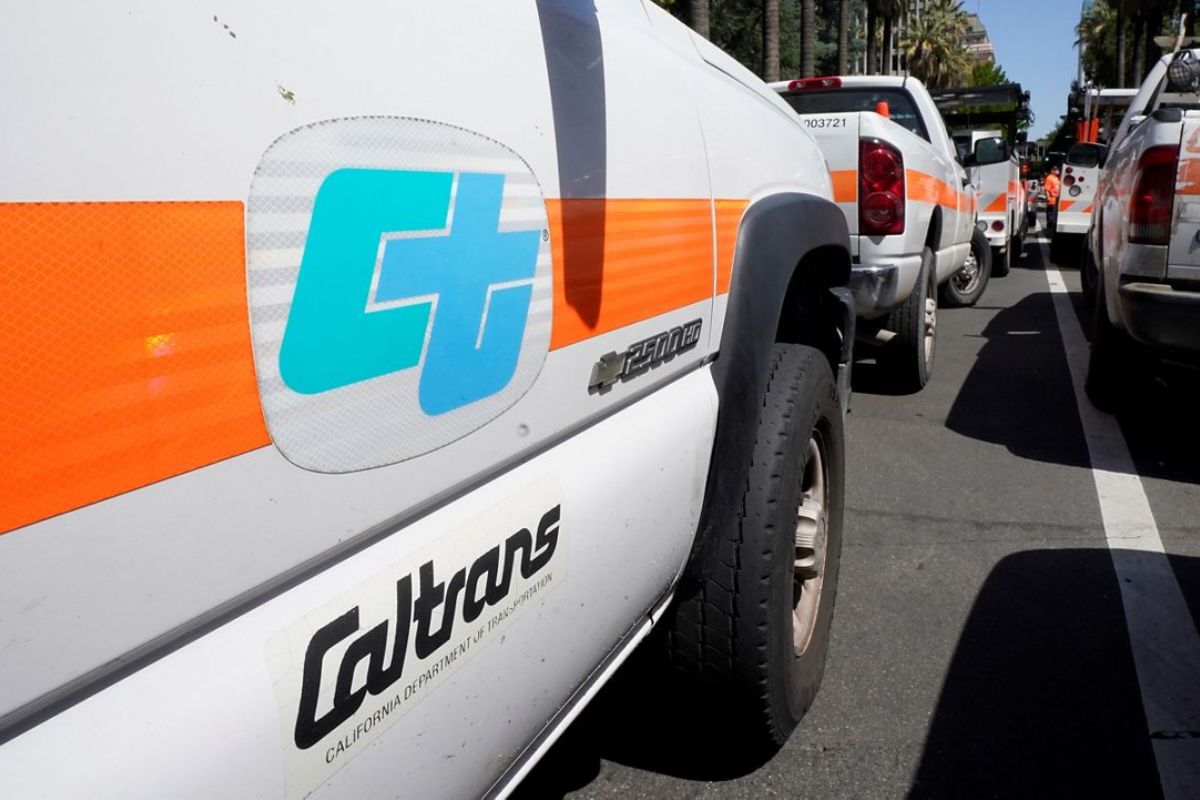
Caltrans, short for the California Department of Transportation, plays a crucial role in maintaining and improving the state's vast network of roads and highways. Ever wondered who ensures your daily commute runs smoothly or who fixes those pesky potholes? Caltrans is the backbone of California's transportation infrastructure, managing over 50,000 miles of highway and freeway lanes. Founded in 1972, this agency not only focuses on road maintenance but also emphasizes safety, environmental sustainability, and innovation. From building iconic bridges to implementing cutting-edge traffic management systems, Caltrans is dedicated to keeping California moving efficiently. Ready to learn more? Here are 25 fascinating facts about Caltrans that might surprise you!
25 Facts about Caltrans
Caltrans, short for the California Department of Transportation, plays a crucial role in maintaining and developing the state's transportation infrastructure. From highways to public transit, Caltrans ensures that millions of Californians can travel safely and efficiently. Here are 25 fascinating facts about this vital organization.
History and Formation
Understanding the origins of Caltrans provides insight into its current operations and responsibilities.
-
Caltrans was established in 1972: The organization was formed by merging the California Division of Highways with other transportation-related entities to create a unified department.
-
Roots date back to 1895: The California Bureau of Highways, a predecessor of Caltrans, was created to study the state's road needs.
-
First state highway: The first state highway, Legislative Route 1, was established in 1910, connecting Sacramento to the Oregon border.
-
Interstate Highway System: Caltrans played a significant role in developing California's portion of the Interstate Highway System, which began in the 1950s.
Infrastructure and Projects
Caltrans is responsible for a vast network of roads, bridges, and other transportation infrastructure.
-
Maintains over 50,000 miles of highway: This includes both state and interstate highways, making it one of the largest highway systems in the United States.
-
Oversees more than 13,000 bridges: Ensuring the safety and maintenance of these structures is a critical part of Caltrans' mission.
-
Golden Gate Bridge: While not directly managed by Caltrans, the department played a role in its construction and continues to collaborate on its maintenance.
-
Bay Area Rapid Transit (BART): Caltrans was instrumental in the development of BART, which serves as a major public transit system in the San Francisco Bay Area.
Environmental Initiatives
Caltrans is committed to sustainable practices and reducing the environmental impact of transportation.
-
Adopts Complete Streets policy: This policy ensures that streets are designed for all users, including pedestrians, cyclists, and public transit riders.
-
Stormwater management: Caltrans implements extensive measures to manage stormwater runoff and protect water quality.
-
Wildlife crossings: The department constructs wildlife crossings to reduce animal-vehicle collisions and protect wildlife habitats.
-
Electric vehicle infrastructure: Caltrans is expanding the network of electric vehicle charging stations along major highways.
Safety and Innovation
Safety and innovation are at the forefront of Caltrans' operations, ensuring that transportation infrastructure meets modern standards.
-
Traffic Management Centers: These centers monitor traffic conditions in real-time and manage incidents to improve safety and reduce congestion.
-
Automated Work Zone Information System (AWIS): AWIS provides real-time information about work zones to drivers, enhancing safety for both workers and motorists.
-
Earthquake-resistant bridges: Caltrans has retrofitted many bridges to withstand earthquakes, a critical measure in seismically active California.
-
Smart highways: The department is implementing smart highway technologies, such as adaptive traffic signals and real-time traffic information systems.
Public Engagement and Education
Caltrans actively engages with the public and provides educational resources to promote safe and efficient transportation.
-
Public outreach programs: These programs inform communities about upcoming projects and gather public input.
-
Adopt-A-Highway program: This program allows individuals and organizations to volunteer in keeping highways clean and litter-free.
-
Traveler information services: Caltrans provides real-time traffic and road condition information through its website and mobile apps.
-
Safety campaigns: The department runs campaigns to promote safe driving behaviors, such as the "Slow for the Cone Zone" initiative.
Funding and Budget
Understanding the financial aspects of Caltrans helps to appreciate the scale and scope of its operations.
-
Annual budget: Caltrans operates with an annual budget of approximately $15 billion, funded by state and federal sources.
-
Gas tax revenue: A significant portion of Caltrans' funding comes from state gas taxes, which are used for road maintenance and improvements.
-
Federal grants: The department receives federal grants for specific projects, such as highway construction and public transit development.
-
Public-private partnerships: Caltrans collaborates with private companies on certain projects to leverage additional funding and expertise.
Future Plans
Caltrans is continually planning for the future to meet the evolving transportation needs of California.
- Sustainable Transportation Plan: This plan outlines strategies for reducing greenhouse gas emissions and promoting sustainable transportation options.
The Final Mile
Caltrans plays a crucial role in keeping California moving. From maintaining over 50,000 miles of highways and freeways to ensuring the safety of millions of drivers, their work is indispensable. They also focus on sustainability, using recycled materials and promoting public transportation. Their commitment to innovation is evident in their use of advanced technology for traffic management and infrastructure maintenance.
Understanding these facts about Caltrans gives us a greater appreciation for the efforts behind our daily commutes. Next time you're on the road, remember the extensive planning, hard work, and dedication that go into making your journey smooth and safe. Whether it's through their environmental initiatives or their relentless focus on safety, Caltrans continues to be a vital part of California's infrastructure. So, here's to the unsung heroes who keep us moving forward every day.
Was this page helpful?
Our commitment to delivering trustworthy and engaging content is at the heart of what we do. Each fact on our site is contributed by real users like you, bringing a wealth of diverse insights and information. To ensure the highest standards of accuracy and reliability, our dedicated editors meticulously review each submission. This process guarantees that the facts we share are not only fascinating but also credible. Trust in our commitment to quality and authenticity as you explore and learn with us.