



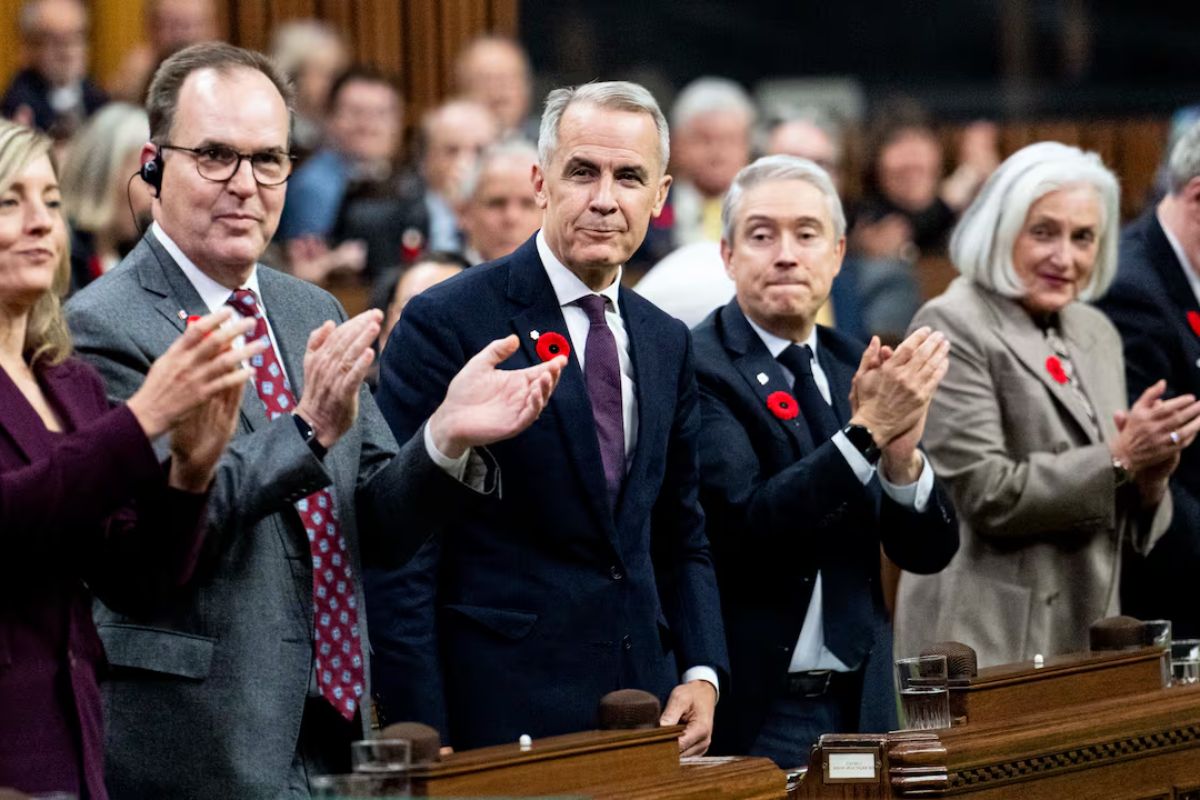
Ever wondered how the budget vote in Canada works? This process is crucial for the country's financial planning and affects everyone from students to seniors. The budget vote determines how money is allocated for public services, infrastructure, and more. Understanding this process can help you see where your tax dollars go and why certain decisions are made. In this post, we'll break down 25 key facts about the budget vote in Canada, making it easy to grasp even if you're not a political junkie. From the role of the House of Commons to the impact on everyday life, we've got all the essential details covered. Get ready to become a budget vote expert!
What is the Budget Vote in Canada?
The budget vote in Canada is a significant event that determines how the government will allocate its financial resources for the upcoming fiscal year. This process involves detailed planning, debates, and ultimately, a vote in the House of Commons.
- The budget vote is a key part of Canada's parliamentary system, where Members of Parliament (MPs) vote on the proposed budget.
- The budget is usually presented by the Minister of Finance, who outlines the government's financial plans and priorities.
- If the budget is not approved by the majority of MPs, it can lead to a vote of no confidence, potentially triggering a federal election.
Historical Context of the Budget Vote
Understanding the historical context of the budget vote helps to appreciate its importance in Canadian politics.
- The first federal budget in Canada was presented in 1867, the same year the country was founded.
- Over the years, the budget process has evolved to include more transparency and public input.
- Historically, some budgets have led to significant political changes, including the fall of governments.
Key Players in the Budget Vote
Several key players are involved in the budget vote, each with a specific role to play.
- The Prime Minister and the Cabinet are responsible for setting the overall direction of the budget.
- The Minister of Finance is the primary architect of the budget, responsible for its preparation and presentation.
- Opposition parties scrutinize the budget, offering critiques and alternative proposals.
- Parliamentary committees review specific sections of the budget, providing detailed analysis and recommendations.
The Budget Presentation
The presentation of the budget is a highly anticipated event, often covered extensively by the media.
- The budget speech is delivered by the Minister of Finance in the House of Commons.
- This speech outlines the government's economic priorities and key spending initiatives.
- The budget document itself is usually several hundred pages long, detailing every aspect of government spending.
The Debate Process
After the budget is presented, it undergoes a rigorous debate process in Parliament.
- MPs from all parties participate in the debate, discussing the merits and drawbacks of the proposed budget.
- The debate can last several days, with MPs having the opportunity to propose amendments.
- Public opinion and media coverage can influence the debate, as MPs consider the views of their constituents.
The Vote
The climax of the budget process is the vote in the House of Commons.
- The vote is typically held a few weeks after the budget is presented, allowing time for debate and review.
- A majority vote is required for the budget to pass. If it fails, it can lead to a vote of no confidence.
- The outcome of the vote can have significant political implications, including the potential for a federal election.
Impact of the Budget Vote
The budget vote has far-reaching implications for the country.
- The approved budget determines government spending for the upcoming fiscal year, affecting everything from healthcare to infrastructure.
- It also sets the government's economic priorities, influencing policy decisions and public services.
- The budget can impact the country's economic performance, affecting factors like employment and inflation.
Public Involvement
Public involvement in the budget process has increased over the years.
- The government often conducts pre-budget consultations, seeking input from citizens, businesses, and organizations.
- Public feedback can influence budget decisions, ensuring that the budget reflects the needs and priorities of Canadians.
- Transparency initiatives, such as publishing detailed budget documents online, have made it easier for the public to understand and engage with the budget process.
Final Thoughts on Canada's Budget Vote
Understanding Canada's budget vote is crucial for grasping how the country allocates resources and prioritizes policies. This process impacts everything from healthcare and education to infrastructure and social services. Knowing these 25 facts helps demystify the complexities of the budget vote, making it easier to follow and engage with.
The budget vote isn't just a political formality; it's a reflection of the nation's values and priorities. By staying informed, you can better understand the decisions that shape daily life in Canada. Whether you're a student, a professional, or just a curious citizen, these insights offer a clearer picture of how government decisions affect everyone.
Stay engaged, stay informed, and remember that every vote counts in shaping the future of Canada.
Was this page helpful?
Our commitment to delivering trustworthy and engaging content is at the heart of what we do. Each fact on our site is contributed by real users like you, bringing a wealth of diverse insights and information. To ensure the highest standards of accuracy and reliability, our dedicated editors meticulously review each submission. This process guarantees that the facts we share are not only fascinating but also credible. Trust in our commitment to quality and authenticity as you explore and learn with us.