


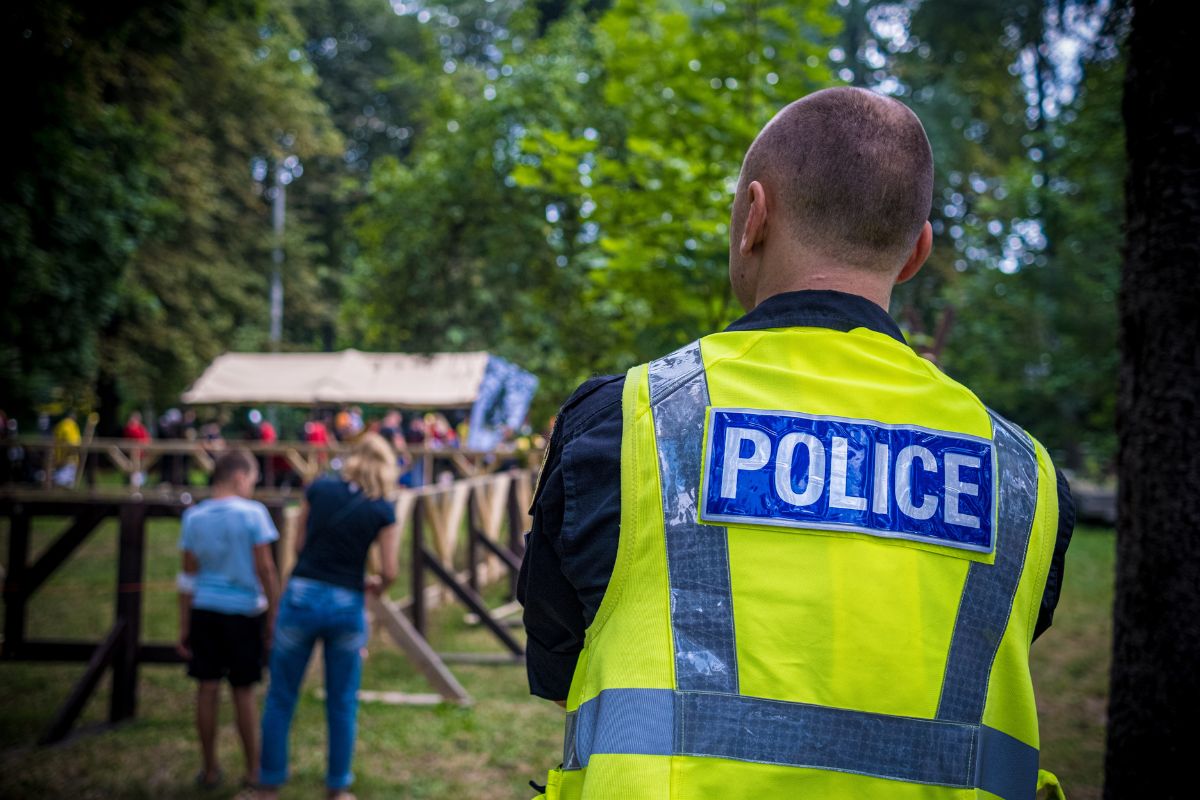
Ever wondered what makes police officers tick? These brave individuals serve communities, maintain order, and ensure safety. But there's more to their lives than just patrolling streets and catching bad guys. From rigorous training to unique traditions, police work is filled with fascinating details. Did you know that police dogs, also known as K9s, undergo specialized training to sniff out drugs and explosives? Or that some officers use bicycles for patrolling crowded urban areas? Police officers often work long hours, facing unpredictable situations daily. Their commitment to public service is unwavering, making them true everyday heroes. Ready to learn more? Here are 25 intriguing facts about police officers that will give you a deeper appreciation for their dedication and hard work.
The Role of Police in Society
Police officers play a vital role in maintaining law and order. They ensure public safety, prevent crime, and provide assistance in emergencies. Here are some interesting facts about police forces around the world.
-
The first modern police force was established in London in 1829 by Sir Robert Peel. Known as the Metropolitan Police Service, it introduced the concept of preventive policing.
-
Police officers in Japan are trained in martial arts, particularly judo and kendo, to help them handle physical confrontations without relying on weapons.
-
In Norway, police officers do not carry firearms during their regular duties. Guns are stored in their patrol cars and can only be used with special permission.
-
The New York City Police Department (NYPD) is the largest police force in the United States, with over 36,000 officers.
-
In Finland, becoming a police officer requires a minimum of three years of training, including a bachelor's degree in police studies.
Police Equipment and Technology
Modern police forces use a variety of equipment and technology to perform their duties effectively. From body cameras to drones, these tools help officers in their daily tasks.
-
Body-worn cameras are increasingly used by police officers to record interactions with the public, providing transparency and accountability.
-
Police departments use drones for various purposes, including search and rescue operations, traffic monitoring, and crime scene investigations.
-
In some countries, police cars are equipped with automatic license plate recognition (ALPR) systems that can scan and identify stolen vehicles or vehicles associated with criminal activity.
-
Tasers, or conducted electrical weapons, are used by police officers as a non-lethal option to subdue suspects.
-
Police forces around the world use K-9 units, specially trained dogs, to assist in tasks such as drug detection, search and rescue, and apprehending suspects.
Police Training and Education
Training and education are crucial for police officers to perform their duties effectively and safely. Different countries have varying requirements and programs for police training.
-
In Germany, police training lasts for about 2.5 to 3 years and includes both theoretical and practical components.
-
The FBI Academy in Quantico, Virginia, is one of the most prestigious law enforcement training facilities in the world, offering advanced training to FBI agents and other law enforcement personnel.
-
In South Korea, police officers undergo rigorous physical and mental training, including a mandatory 500-meter swim and a 5-kilometer run.
-
Police academies in the United States typically require recruits to complete around 800 hours of training, covering topics such as criminal law, firearms, and defensive tactics.
-
In Australia, police recruits must complete a diploma in public safety (policing) before they can become fully sworn officers.
Unique Police Practices Around the World
Different countries have unique practices and traditions when it comes to policing. These practices reflect the cultural and societal values of each nation.
-
In Iceland, police officers are known for their friendly and approachable demeanor. The country has one of the lowest crime rates in the world.
-
The Royal Canadian Mounted Police (RCMP) is famous for its distinctive red serge uniforms and wide-brimmed hats. They serve as both federal and provincial law enforcement.
-
In India, police officers often use bamboo sticks called lathis for crowd control and self-defense.
-
The Italian Carabinieri is a unique police force that operates both as a military and civilian law enforcement agency.
-
In the Netherlands, police officers use bicycles for patrolling urban areas, promoting eco-friendly transportation and accessibility.
Police and Community Relations
Building strong relationships between police and the communities they serve is essential for effective law enforcement. Community policing initiatives aim to foster trust and cooperation.
-
Community policing involves officers working closely with community members to identify and solve local problems, enhancing public safety and trust.
-
In Singapore, the Neighbourhood Police Centre (NPC) system encourages officers to engage with residents and address their concerns proactively.
-
Police departments in the United States often host "Coffee with a Cop" events, where officers meet with community members in informal settings to discuss issues and build rapport.
-
In Brazil, the Pacifying Police Units (UPPs) aim to reclaim control of favelas from criminal gangs and improve living conditions for residents.
-
In the United Kingdom, Police Community Support Officers (PCSOs) assist regular police officers by engaging with the community and addressing minor issues.
Final Thoughts on Police
Police officers play a crucial role in maintaining law and order. They’re often the first responders in emergencies, risking their lives to protect communities. From traffic control to investigating crimes, their duties are diverse and demanding. Understanding the history, challenges, and daily responsibilities of police can foster greater appreciation and respect for their work.
Police forces have evolved significantly over the years, adapting to new technologies and societal changes. Despite facing criticism and challenges, many officers remain dedicated to serving their communities with integrity and bravery. By staying informed and engaged, citizens can support positive changes in policing, ensuring safer neighborhoods for everyone.
Remember, police officers are people too, with families and lives outside their uniforms. A little empathy and understanding can go a long way in building stronger, more cooperative relationships between law enforcement and the communities they serve.
Was this page helpful?
Our commitment to delivering trustworthy and engaging content is at the heart of what we do. Each fact on our site is contributed by real users like you, bringing a wealth of diverse insights and information. To ensure the highest standards of accuracy and reliability, our dedicated editors meticulously review each submission. This process guarantees that the facts we share are not only fascinating but also credible. Trust in our commitment to quality and authenticity as you explore and learn with us.