



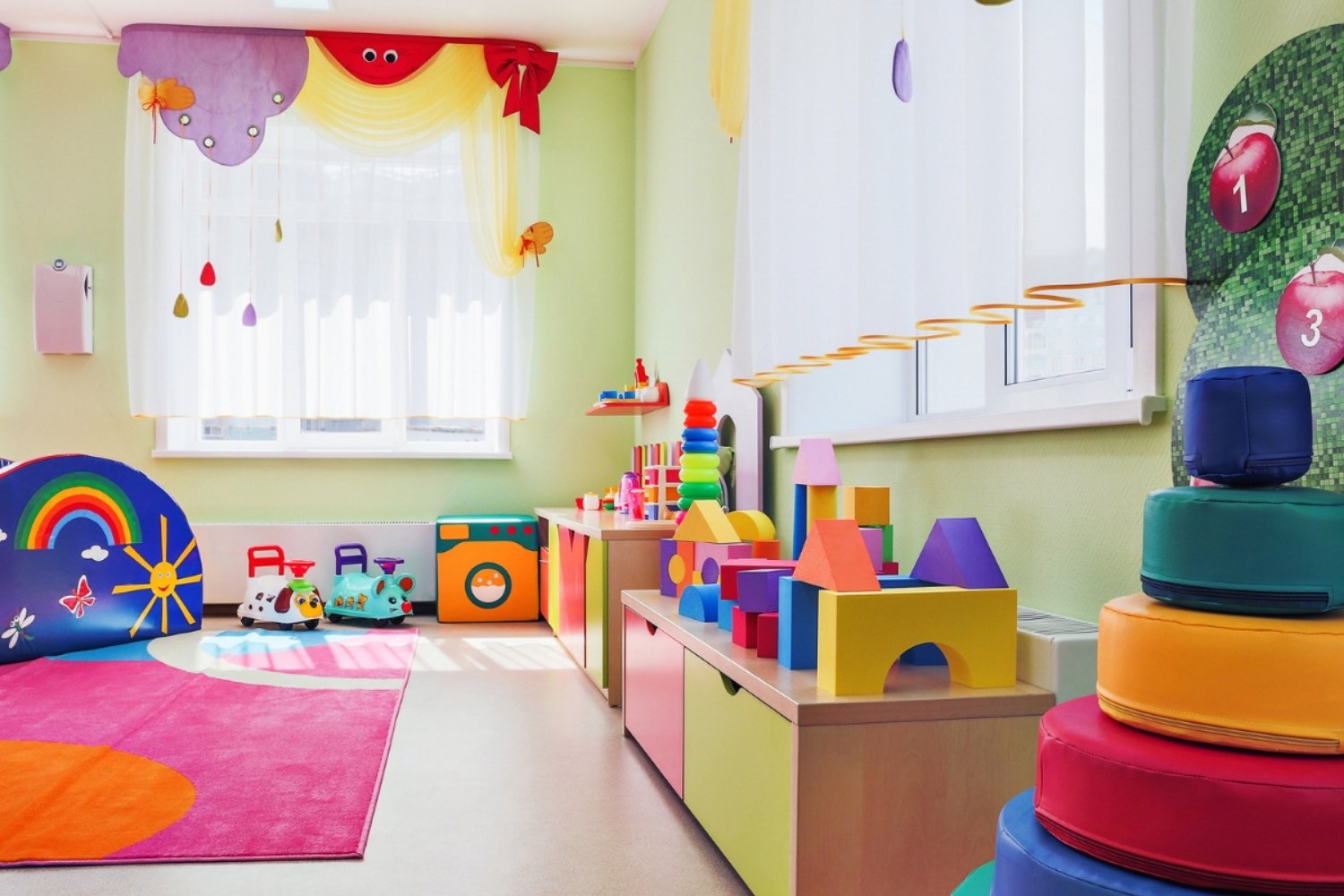
Are you curious about daycare centers and what makes them tick? Whether you're a parent considering options for your child or just someone interested in early childhood education, understanding daycare centers can be incredibly beneficial. These facilities play a crucial role in child development, offering more than just a place to stay while parents work. From social skills to early learning, daycare centers provide a structured environment where kids can thrive. But what exactly goes on in these centers? How do they operate, and what should you look for when choosing one? Here are 25 facts that will give you a comprehensive look into the world of daycare centers.
What Are Daycare Centers?
Daycare centers provide a safe environment for children while parents work or attend to other responsibilities. These facilities offer structured activities, meals, and social interaction for kids. Let's dive into some fascinating facts about daycare centers.
-
The first daycare center in the United States opened in 1854 in New York City. It was called the "Nursery for the Children of Poor Women."
-
Daycare centers must follow strict state regulations to ensure the safety and well-being of children. These rules cover everything from staff qualifications to facility cleanliness.
-
Many daycare centers offer educational programs that prepare children for kindergarten. These programs often include activities that promote literacy, numeracy, and social skills.
-
The average cost of daycare in the United States is around $11,000 per year. This can vary widely depending on location and the type of care provided.
-
Some companies offer on-site daycare centers as a benefit to employees. This can help reduce stress for working parents and improve job satisfaction.
Benefits of Daycare Centers
Daycare centers offer numerous benefits for both children and parents. From socialization to early education, these facilities play a crucial role in child development.
-
Children in daycare centers have more opportunities to socialize with peers. This helps them develop important social skills like sharing, cooperation, and communication.
-
Daycare centers provide a structured routine, which can be beneficial for young children. Consistent schedules help kids feel secure and understand what to expect each day.
-
Many daycare centers employ trained early childhood educators. These professionals use age-appropriate teaching methods to support children's learning and development.
-
Daycare centers often provide nutritious meals and snacks. This ensures that children receive balanced diets, which is essential for their growth and development.
-
Parents can focus on their work or other responsibilities knowing their children are in a safe and nurturing environment. This peace of mind can improve overall family well-being.
Challenges Faced by Daycare Centers
Running a daycare center is not without its challenges. From staffing issues to financial constraints, these facilities must navigate various obstacles to provide quality care.
-
Finding and retaining qualified staff can be difficult. Daycare workers often earn low wages, leading to high turnover rates.
-
Daycare centers must comply with numerous regulations, which can be costly and time-consuming. Failure to meet these standards can result in fines or even closure.
-
Some daycare centers struggle with funding. Limited financial resources can impact the quality of care and the availability of educational materials and activities.
-
Managing the health and safety of children is a top priority. Daycare centers must have protocols in place to handle emergencies, illnesses, and accidents.
-
Balancing the needs of children with different developmental stages can be challenging. Daycare staff must be skilled in providing appropriate care and activities for a diverse age group.
Interesting Facts About Daycare Centers
Daycare centers have unique aspects that make them interesting and sometimes surprising. Here are some lesser-known facts about these essential facilities.
-
Some daycare centers offer bilingual programs. These programs expose children to multiple languages, which can enhance cognitive development and cultural awareness.
-
Forest kindergartens, a type of outdoor daycare, are popular in some countries. Children spend most of their time outdoors, exploring nature and learning through play.
-
Many daycare centers celebrate cultural diversity. They incorporate multicultural activities and materials to help children appreciate different cultures and traditions.
-
Some daycare centers have therapy animals. Interaction with animals can provide emotional support and promote social skills in children.
-
Technology is becoming more common in daycare centers. Interactive whiteboards, tablets, and educational software are used to enhance learning experiences.
The Future of Daycare Centers
As society evolves, so do daycare centers. Innovations and trends are shaping the future of childcare, making it more accessible and effective.
-
Virtual daycare programs are emerging. These programs offer online activities and support for children who cannot attend in-person daycare.
-
Eco-friendly daycare centers are gaining popularity. These facilities use sustainable practices, such as recycling and energy-efficient designs, to reduce their environmental impact.
-
Flexible daycare options are becoming more common. Some centers offer part-time or drop-in care to accommodate parents' varying schedules.
-
Parent involvement is increasingly encouraged. Daycare centers are finding new ways to engage parents in their children's education and development.
-
The demand for specialized daycare centers is growing. Facilities that cater to children with special needs or specific interests, like art or science, are becoming more prevalent.
The Final Word on Daycare Centers
Daycare centers play a crucial role in early childhood development. They provide a safe environment where kids can learn, play, and grow. From social skills to basic education, these centers lay the groundwork for future success. Parents can work or attend to other responsibilities knowing their children are in good hands.
Choosing the right daycare involves considering factors like staff qualifications, safety measures, and the curriculum. It's not just about convenience; it's about finding a place that aligns with your child's needs and your family's values.
Daycare centers also offer a community for both children and parents. They create opportunities for friendships and support networks. So, whether you're a parent looking for the best option or just curious about how these centers operate, understanding their importance can make a big difference.
Was this page helpful?
Our commitment to delivering trustworthy and engaging content is at the heart of what we do. Each fact on our site is contributed by real users like you, bringing a wealth of diverse insights and information. To ensure the highest standards of accuracy and reliability, our dedicated editors meticulously review each submission. This process guarantees that the facts we share are not only fascinating but also credible. Trust in our commitment to quality and authenticity as you explore and learn with us.