

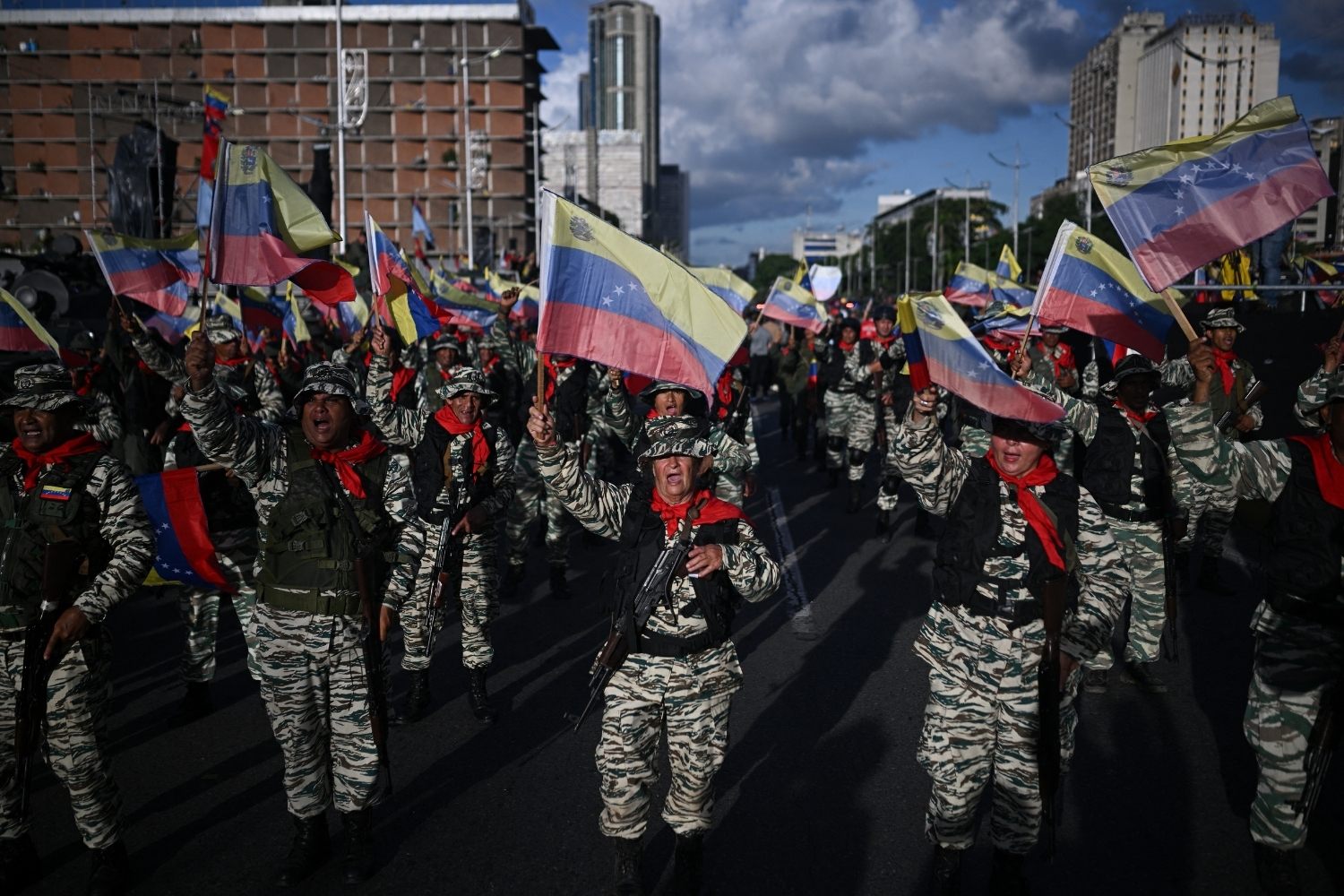
What caused the Venezuela War? The Venezuela War, also known as the Venezuelan Crisis, erupted due to a complex mix of political, economic, and social factors. Political instability played a significant role, with power struggles between different factions leading to widespread unrest. Economic collapse further fueled the conflict, as hyperinflation and shortages of basic goods created desperation among the population. Additionally, social inequality and corruption exacerbated tensions, making it difficult for any resolution to take hold. External influences, including international sanctions and foreign interventions, also contributed to the volatile situation. Understanding these causes helps shed light on the ongoing struggles within Venezuela.
The Venezuela War of Independence: A Brief Overview
The Venezuela War of Independence was a crucial conflict in Latin American history. It was part of the larger Spanish American wars of independence, which aimed to liberate various colonies from Spanish rule. This war had significant impacts on the region's political, social, and economic landscapes.
- The war began in 1810 and lasted until 1823.
- Simon Bolivar, known as "El Libertador," was a key figure in the fight for independence.
- The war was part of a broader movement across Latin America to break free from Spanish colonial rule.
- Venezuela declared its independence on July 5, 1811.
- The First Republic of Venezuela was established but quickly fell due to internal conflicts and Spanish counterattacks.
Key Battles and Events
Several pivotal battles and events shaped the course of the Venezuela War of Independence. These moments were crucial in determining the outcome of the conflict.
- The Battle of Carabobo in 1821 was a decisive victory for the independence forces.
- The Admirable Campaign in 1813 saw Simon Bolivar reclaim much of Venezuela from Spanish control.
- The Battle of Boyacá in 1819 was another significant victory, leading to the liberation of New Granada (modern-day Colombia).
- The Congress of Angostura in 1819 established the Republic of Colombia, which included Venezuela.
- The Siege of Puerto Cabello in 1823 marked the end of Spanish control in Venezuela.
Influential Figures
Many individuals played vital roles in the Venezuela War of Independence. Their leadership, bravery, and strategic thinking were instrumental in achieving independence.
- Francisco de Miranda is often called the "Precursor" of Venezuelan independence.
- Antonio José de Sucre, a close ally of Bolivar, was a brilliant military leader.
- José Antonio Páez led the Llanero cavalry and was crucial in several battles.
- Manuel Piar, a mixed-race general, played a significant role but was executed by Bolivar for insubordination.
- Rafael Urdaneta was a loyal supporter of Bolivar and served as President of Gran Colombia.
Social and Economic Impact
The war had far-reaching effects on Venezuelan society and economy. These changes shaped the country's future development.
- The war devastated the Venezuelan economy, particularly its agricultural sector.
- Many enslaved people were promised freedom in exchange for fighting in the war.
- The conflict led to significant population displacement and loss of life.
- The war fostered a sense of national identity and unity among Venezuelans.
- Post-war, Venezuela faced political instability and power struggles.
Legacy and Commemoration
The legacy of the Venezuela War of Independence continues to be felt today. It is commemorated in various ways across the country.
- July 5th is celebrated as Independence Day in Venezuela.
- Numerous monuments and statues honor the heroes of the war, including Simon Bolivar.
- The Bolivarian Republic of Venezuela, established in 1999, reflects Bolivar's enduring influence.
- The war is a central theme in Venezuelan history education and cultural narratives.
- Annual reenactments and ceremonies keep the memory of the war alive for future generations.
Reflecting on the Venezuela War
The Venezuela War is a complex chapter in history. It wasn't just about battles; it was about the struggle for independence, political power, and national identity. Key figures like Simón Bolívar and Francisco de Miranda played crucial roles in shaping the country's future. The war's impact is still felt today, influencing Venezuela's culture, politics, and society.
Understanding these 25 facts gives us a clearer picture of the challenges and triumphs faced by those who fought for Venezuela's freedom. It also highlights the resilience and determination of a nation striving for self-determination. As we reflect on this period, it's essential to remember the sacrifices made and the lessons learned, ensuring that the spirit of independence and unity continues to inspire future generations.
Was this page helpful?
Our commitment to delivering trustworthy and engaging content is at the heart of what we do. Each fact on our site is contributed by real users like you, bringing a wealth of diverse insights and information. To ensure the highest standards of accuracy and reliability, our dedicated editors meticulously review each submission. This process guarantees that the facts we share are not only fascinating but also credible. Trust in our commitment to quality and authenticity as you explore and learn with us.