



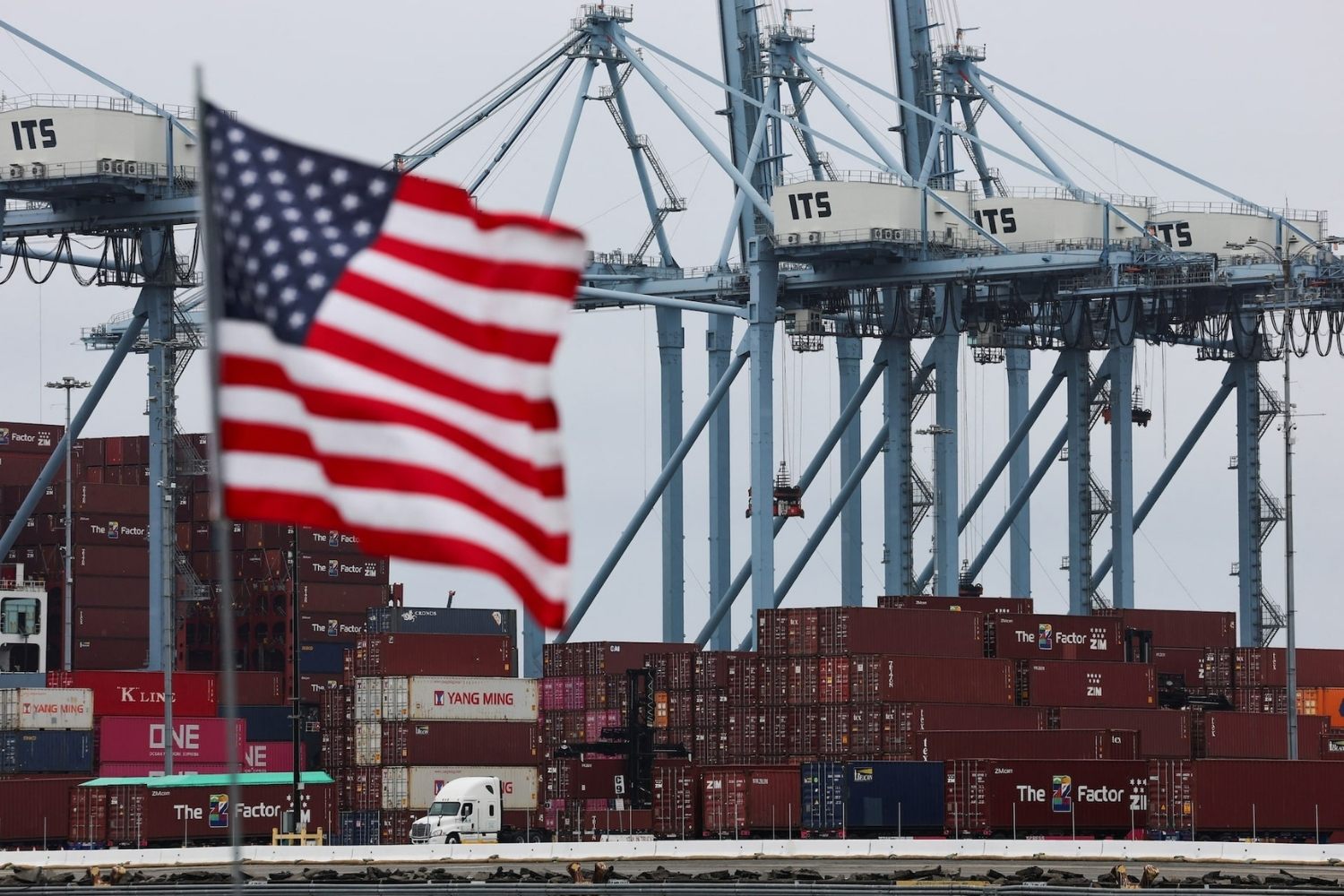
Tariff refunds can be a confusing topic, but understanding them can save you money. Tariffs are taxes imposed on imported goods, and sometimes, you might be eligible for a refund on these taxes. But how does one qualify for a tariff refund? Refunds can occur due to overpayment, errors in classification, or changes in trade agreements. Knowing the ins and outs of this process can be beneficial for businesses and individuals alike. This article will break down 25 essential facts about tariff refunds, making it easier to navigate this complex subject. Whether you're a business owner or just curious, these facts will help you grasp the basics and beyond.
What Are Tariff Refunds?
Tariff refunds can be a bit confusing, but they are essentially reimbursements for duties paid on imported goods. These refunds can be claimed under specific conditions. Let's dive into some interesting facts about tariff refunds.
-
Tariff refunds are also known as duty drawbacks. This term is commonly used in international trade to describe the return of duties paid on imported goods that are later exported.
-
The concept of tariff refunds dates back to the 18th century. Governments have been offering these refunds for centuries to encourage trade and manufacturing.
-
Not all countries offer tariff refunds. While many countries have duty drawback programs, some do not. It's important to check the specific regulations of each country.
How Do Tariff Refunds Work?
Understanding the mechanics of tariff refunds can help businesses save money. Here are some key points about how these refunds operate.
-
Tariff refunds are typically claimed by exporters. When goods are imported and then exported, the exporter can claim a refund on the duties paid.
-
Documentation is crucial for claiming tariff refunds. Proper paperwork, including proof of export and import, is necessary to process a refund.
-
Refunds can be partial or full. Depending on the regulations, businesses might receive a full refund or only a percentage of the duties paid.
Benefits of Tariff Refunds
Tariff refunds offer several advantages to businesses engaged in international trade. Here are some benefits worth noting.
-
They reduce the cost of doing business. By reclaiming duties, companies can lower their overall expenses.
-
Tariff refunds encourage exports. These refunds make it more financially viable for companies to export goods, boosting international trade.
-
They promote competitiveness. By lowering costs, tariff refunds help businesses compete more effectively in the global market.
Challenges in Claiming Tariff Refunds
While beneficial, claiming tariff refunds can be challenging. Here are some hurdles businesses might face.
-
Complex regulations can be a barrier. Different countries have different rules, making it difficult to navigate the process.
-
Time-consuming paperwork. Gathering and submitting the necessary documentation can be a lengthy process.
-
Risk of audits. Companies claiming refunds may be subject to audits, which can be stressful and time-consuming.
Interesting Facts About Tariff Refunds
Here are some lesser-known facts that shed light on the world of tariff refunds.
-
Some countries offer expedited refund processes. For example, the United States has programs that fast-track refunds for certain industries.
-
Tariff refunds can apply to damaged goods. If imported goods are damaged and cannot be sold, companies may be eligible for a refund on the duties paid.
-
Refunds can be claimed on goods used in manufacturing. If imported goods are used to manufacture other products that are then exported, companies can claim a refund.
Real-World Examples of Tariff Refunds
Examples from the real world can help illustrate how tariff refunds work in practice.
-
The U.S. Duty Drawback Program is one of the most well-known. This program allows businesses to claim refunds on duties paid for goods that are later exported.
-
China offers a VAT refund on exports. This is similar to a tariff refund and helps Chinese exporters remain competitive.
-
The European Union has its own duty drawback system. This system allows businesses within the EU to claim refunds on duties paid for goods that are exported outside the EU.
Tips for Successfully Claiming Tariff Refunds
Here are some practical tips to help businesses successfully claim tariff refunds.
-
Keep meticulous records. Accurate and detailed records are essential for a successful refund claim.
-
Understand the regulations. Familiarize yourself with the specific rules and requirements of the country you are dealing with.
-
Seek professional help if needed. Consulting with a customs broker or trade expert can simplify the process.
Future of Tariff Refunds
The landscape of tariff refunds is continually evolving. Here are some trends and predictions for the future.
-
Digitalization is streamlining the process. Many countries are moving towards digital platforms for claiming refunds, making the process faster and more efficient.
-
Increased global trade may lead to more refund opportunities. As international trade grows, more businesses may become eligible for tariff refunds.
-
Policy changes could impact refunds. Changes in trade policies and agreements can affect the availability and process of claiming tariff refunds.
-
Sustainability considerations. Some countries are considering tariff refunds for environmentally friendly products to encourage sustainable trade practices.
Final Thoughts on Tariff Refunds
Tariff refunds can be a game-changer for businesses. They offer a chance to reclaim money spent on import duties, which can significantly impact a company's bottom line. Understanding the process, from eligibility to application, is crucial. Keep an eye on deadlines and required documentation to ensure a smooth refund process.
Businesses should also stay updated on changes in trade policies and tariffs, as these can affect refund eligibility. Consulting with a trade expert or customs broker can provide valuable insights and help navigate the complexities.
Incorporating tariff refunds into your financial strategy can lead to substantial savings. So, take the time to explore this opportunity and make the most of it. With the right approach, tariff refunds can provide a financial boost and support your business's growth.
Was this page helpful?
Our commitment to delivering trustworthy and engaging content is at the heart of what we do. Each fact on our site is contributed by real users like you, bringing a wealth of diverse insights and information. To ensure the highest standards of accuracy and reliability, our dedicated editors meticulously review each submission. This process guarantees that the facts we share are not only fascinating but also credible. Trust in our commitment to quality and authenticity as you explore and learn with us.