



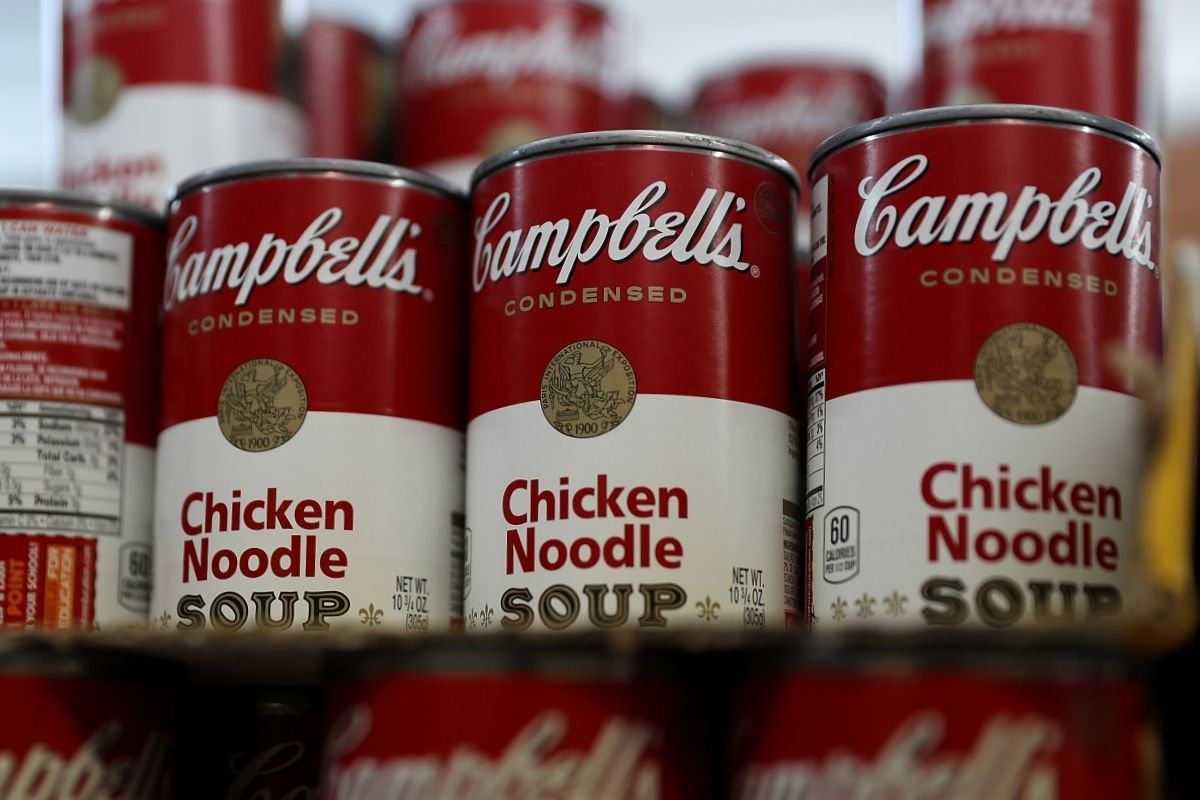
Did you know that Campbell Soup, the iconic brand known for its comforting cans of soup, has a history filled with drama? From boardroom battles to surprising marketing campaigns, Campbell Soup's journey is anything but boring. This beloved brand has faced its fair share of controversies, including legal disputes and leadership shake-ups. Yet, it has also been a pioneer in food innovation and advertising. Ever wondered how a simple can of soup could stir up so much excitement? Buckle up as we dive into 25 intriguing facts about Campbell Soup's dramatic history. Whether you're a soup lover or just curious, these tidbits will surely surprise you!
The Origins of Campbell Soup
Campbell Soup Company has a rich history that dates back over a century. Here are some intriguing facts about its beginnings.
-
Founded in 1869: Joseph A. Campbell, a fruit merchant, and Abraham Anderson, an icebox manufacturer, started the company in Camden, New Jersey.
-
First Products: Initially, the company sold canned tomatoes, vegetables, jellies, soups, condiments, and minced meats.
-
Iconic Red and White Label: The famous red and white label was inspired by the Cornell University football team's uniforms.
The Invention of Condensed Soup
Condensed soup revolutionized the food industry and became a staple in American households. Let's dive into some facts about this game-changing invention.
-
Introduced in 1897: Dr. John T. Dorrance, a chemist at Campbell's, invented condensed soup, which reduced shipping costs and made the product more affordable.
-
First Flavor: The first condensed soup flavor was tomato, which remains one of the most popular varieties.
-
Cost Savings: Condensed soup allowed Campbell's to sell their products for just 10 cents a can, making it accessible to a wider audience.
Campbell Soup in Pop Culture
Campbell Soup has made its mark not just in kitchens but also in pop culture. Here are some fascinating tidbits.
-
Andy Warhol's Art: In 1962, artist Andy Warhol created a series of paintings featuring Campbell's soup cans, elevating the brand to an iconic status in the art world.
-
TV Commercials: Campbell's was one of the first companies to advertise on television, with commercials dating back to the 1950s.
-
Catchy Jingles: The "M'm! M'm! Good!" jingle became synonymous with Campbell's soup and is still recognized today.
The Business Side of Campbell Soup
Behind the scenes, Campbell Soup Company has experienced its share of drama and business maneuvers. Here are some key moments.
-
Stock Market Debut: Campbell Soup went public in 1954, allowing investors to buy shares in the company.
-
Family Feuds: The Dorrance family, descendants of Dr. John T. Dorrance, have had several public disputes over control of the company.
-
Acquisitions: Campbell's has acquired several other food brands over the years, including Pepperidge Farm, V8, and Prego.
Controversies and Challenges
Like any major corporation, Campbell Soup has faced its share of controversies and challenges. Here are some notable instances.
-
Sodium Content: The company has faced criticism for the high sodium content in its soups, leading to reformulations to offer healthier options.
-
Labor Disputes: There have been several labor disputes over the years, including strikes and protests by factory workers.
-
Product Recalls: Campbell's has had to recall products due to contamination or labeling errors, impacting consumer trust.
Innovations and Sustainability
Campbell Soup Company continues to innovate and focus on sustainability. Here are some efforts they've made.
-
Organic Line: The company introduced an organic line of soups to cater to health-conscious consumers.
-
Sustainable Packaging: Campbell's is committed to using sustainable packaging materials to reduce its environmental footprint.
-
Community Programs: The company supports various community programs, including food banks and nutrition education initiatives.
Fun Facts and Trivia
Let's wrap up with some fun and lesser-known facts about Campbell Soup.
-
Longest-Running Soup: Chicken Noodle Soup has been in production since 1934 and remains a best-seller.
-
World War II: During WWII, Campbell's supplied millions of cans of soup to the U.S. military.
-
Soup Sales: Campbell's sells over 2 billion cans of soup each year.
-
Soup Varieties: The company offers over 100 different soup varieties worldwide.
-
Mascot: The Campbell Kids, introduced in 1904, became beloved mascots and appeared in numerous advertisements.
-
Soup for Good: Campbell's has a "Labels for Education" program that helps schools earn supplies through soup label collections.
-
Global Reach: Campbell Soup products are sold in over 120 countries, making it a global household name.
Campbell Soup Drama: The Final Scoop
Campbell Soup's history is a rollercoaster of innovation, controversy, and resilience. From its humble beginnings in 1869 to becoming a household name, the company has seen it all. John T. Dorrance's invention of condensed soup revolutionized the food industry, making soup affordable and accessible. Yet, the company hasn't been without its share of drama. Corporate takeovers, family feuds, and legal battles have all played a part in shaping Campbell's legacy. Despite these challenges, Campbell Soup remains a staple in kitchens worldwide. Its ability to adapt and innovate has kept it relevant for over a century. Whether you're a fan of their classic tomato soup or their newer, healthier options, Campbell's story is a testament to the power of perseverance and innovation. So next time you open a can, remember the rich history and drama behind that iconic red and white label.
Was this page helpful?
Our commitment to delivering trustworthy and engaging content is at the heart of what we do. Each fact on our site is contributed by real users like you, bringing a wealth of diverse insights and information. To ensure the highest standards of accuracy and reliability, our dedicated editors meticulously review each submission. This process guarantees that the facts we share are not only fascinating but also credible. Trust in our commitment to quality and authenticity as you explore and learn with us.