



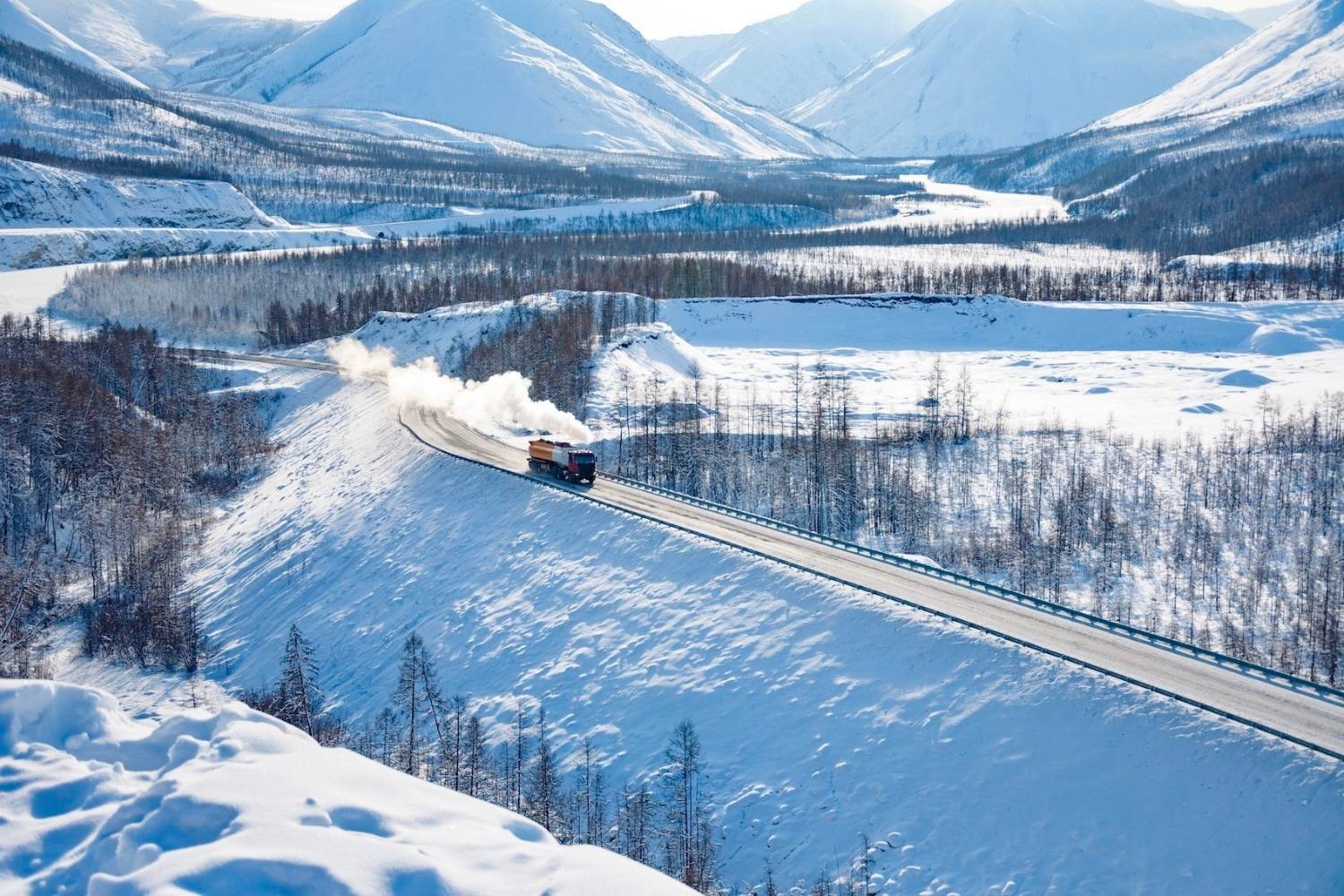
Yakutia, also known as the Sakha Republic, is a vast region in Russia that many people know little about. This remote area is famous for its extreme cold, stunning landscapes, and rich cultural heritage. Did you know Yakutia is the coldest inhabited place on Earth? Temperatures can plummet to a bone-chilling -58°F (-50°C) in winter. Despite the harsh climate, Yakutia boasts incredible natural beauty, including the Lena Pillars, a UNESCO World Heritage site. The region is also rich in resources, producing a significant portion of the world's diamonds. Yakutia's unique traditions, languages, and festivals make it a fascinating place to learn about. Ready to uncover more intriguing facts about this icy wonderland? Let's dive in!
Yakutia: A Land of Extremes
Yakutia, also known as the Sakha Republic, is a vast region in Russia. It’s famous for its extreme climate and unique culture. Here are some fascinating facts about this intriguing place.
-
Yakutia is the largest subnational governing body by area in the world, covering over 3 million square kilometers.
-
Despite its size, Yakutia has a population of just under 1 million people, making it one of the least densely populated regions globally.
-
The region experiences some of the coldest temperatures on Earth, with winter temperatures often dropping below -50°C (-58°F).
-
Oymyakon, a village in Yakutia, holds the record for the lowest temperature ever recorded outside Antarctica at -67.7°C (-89.9°F).
-
Summers in Yakutia can be surprisingly warm, with temperatures sometimes reaching 30°C (86°F).
Rich Natural Resources
Yakutia is incredibly rich in natural resources, contributing significantly to Russia's economy. Here are some key points about its wealth.
-
Yakutia is home to some of the world's largest diamond mines, producing about 25% of the world's diamonds.
-
The region also has vast reserves of gold, coal, and other valuable minerals.
-
The Lena River, one of the longest rivers in the world, flows through Yakutia, providing vital transportation routes and resources.
-
Yakutia's forests cover about 80% of its territory, making it a crucial area for timber production.
-
The permafrost in Yakutia contains significant amounts of methane, a potent greenhouse gas.
Unique Culture and Traditions
Yakutia boasts a rich cultural heritage, deeply rooted in its indigenous traditions. Here are some cultural highlights.
-
The Sakha people, the indigenous inhabitants of Yakutia, have a unique language and culture distinct from the rest of Russia.
-
Yakutian cuisine features dishes made from reindeer, fish, and berries, reflecting the region's natural resources.
-
The Ysyakh festival, celebrated in June, marks the Yakutian New Year and is a major cultural event featuring traditional music, dance, and food.
-
Shamanism plays a significant role in Yakutian spirituality, with many people still practicing ancient rituals and ceremonies.
-
Yakutian throat singing, known as "khomus," is a traditional musical form that produces unique, harmonic sounds.
Wildlife and Nature
The natural environment of Yakutia is as extreme as its climate. Here are some fascinating facts about its wildlife and nature.
-
Yakutia is home to the Siberian tiger, one of the largest and most endangered tiger species in the world.
-
The region's vast taiga forests are inhabited by brown bears, wolves, and lynxes.
-
Yakutia's rivers and lakes are teeming with fish, including the rare and valuable sturgeon.
-
The region's permafrost preserves ancient animal remains, including woolly mammoths, which are occasionally discovered by scientists.
-
The Lena Pillars, a natural rock formation along the Lena River, is a UNESCO World Heritage Site known for its stunning beauty.
Modern Life in Yakutia
Despite its remote location and harsh climate, modern life in Yakutia is vibrant and evolving. Here are some insights into contemporary Yakutian life.
-
Yakutsk, the capital of Yakutia, is one of the coldest cities in the world but has a thriving cultural and educational scene.
-
The city of Mirny is known as the "diamond capital" of Russia due to its extensive diamond mining operations.
-
Yakutia has a well-developed educational system, with several universities and research institutes focusing on Arctic studies.
-
The region's economy is diversifying, with growing sectors in tourism, renewable energy, and technology.
-
Despite the challenges, the people of Yakutia are known for their resilience, adaptability, and strong sense of community.
Final Glimpse at Yakutia
Yakutia, with its extreme climate, vast landscapes, and rich culture, offers a unique blend of natural wonders and human resilience. From the coldest inhabited place on Earth to the mysterious Lena Pillars, this region is a treasure trove of astonishing facts. The Sakha people have thrived here for centuries, showcasing incredible adaptability and traditions. Whether it's the endless summer days or the breathtaking Northern Lights, Yakutia never ceases to amaze. The diverse wildlife, including the majestic Siberian tiger, adds to its allure. As you reflect on these fascinating tidbits, remember that Yakutia is more than just a place on the map; it's a testament to the endurance and beauty of both nature and humanity. So, next time you think of remote destinations, let Yakutia inspire your sense of adventure and wonder.
Was this page helpful?
Our commitment to delivering trustworthy and engaging content is at the heart of what we do. Each fact on our site is contributed by real users like you, bringing a wealth of diverse insights and information. To ensure the highest standards of accuracy and reliability, our dedicated editors meticulously review each submission. This process guarantees that the facts we share are not only fascinating but also credible. Trust in our commitment to quality and authenticity as you explore and learn with us.