



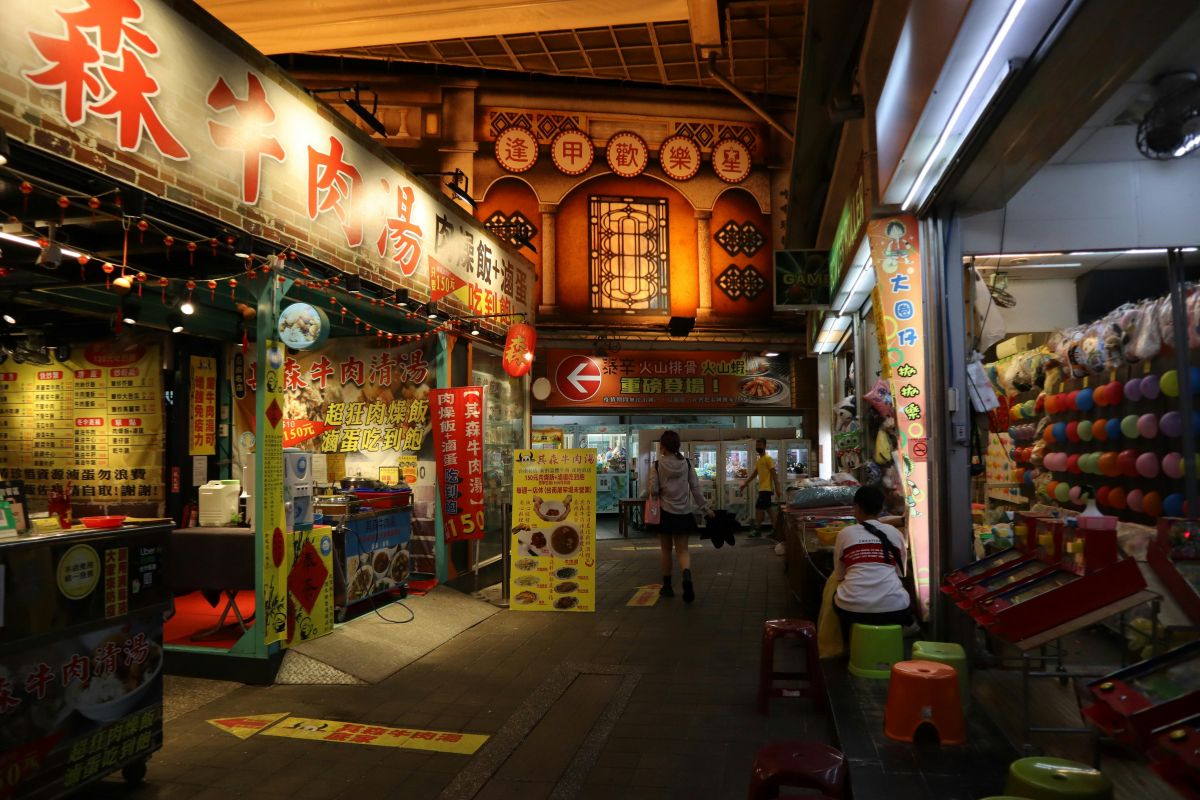
Feng Shui is an ancient Chinese practice that harmonizes individuals with their environment. But what exactly is Feng Shui? It’s a system that uses energy forces to create balance between people and their surroundings. Originating over 3,000 years ago, this practice influences architecture, interior design, and even landscaping. Why should you care? Because applying Feng Shui principles can enhance your well-being, boost your mood, and even improve your luck. Imagine arranging your furniture in a way that promotes positive energy flow or choosing colors that bring harmony to your home. Curious to learn more? Here are 25 fascinating facts about Feng Shui that will help you understand its significance and how you can incorporate it into your life.
What is Feng Shui?
Feng Shui, an ancient Chinese practice, aims to harmonize individuals with their surrounding environment. It involves arranging spaces to promote balance and positive energy flow. Let's dive into some fascinating facts about this intriguing practice.
-
Origin: Feng Shui dates back over 3,000 years in China. It combines elements of astronomy, geography, and philosophy.
-
Meaning: The term "Feng Shui" translates to "wind" and "water." These elements are associated with good health and fortune in Chinese culture.
-
Yin and Yang: Central to Feng Shui is the concept of Yin and Yang, representing opposite but complementary forces. Balance between these forces is crucial for harmony.
-
Five Elements: Feng Shui incorporates five elements: wood, fire, earth, metal, and water. Each element interacts with others in cycles of creation and destruction.
-
Bagua Map: A Bagua map is a tool used in Feng Shui to analyze the energy of a space. It divides a space into nine areas, each corresponding to different aspects of life.
Feng Shui in Home Design
Applying Feng Shui principles to home design can create a more balanced and peaceful living environment. Here are some key facts about how Feng Shui influences home design.
-
Front Door: The front door is considered the "mouth of Chi" where energy enters the home. A clean, well-lit entrance invites positive energy.
-
Clutter-Free Spaces: Clutter is believed to block the flow of energy. Keeping spaces tidy and organized promotes a smooth energy flow.
-
Bedroom Placement: The bed should be placed diagonally from the door, allowing a clear view of the entrance while lying down. This position is thought to provide a sense of security.
-
Mirrors: Mirrors can reflect and amplify energy. Placing them strategically can enhance light and space but avoid placing them directly opposite the bed.
-
Plants: Plants bring life and vitality into a space. They are especially beneficial in areas that need more energy, like the living room or office.
Feng Shui Symbols and Objects
Certain symbols and objects are believed to attract positive energy and good fortune. Here are some commonly used Feng Shui items.
-
Lucky Bamboo: Lucky bamboo is a popular Feng Shui plant symbolizing growth and prosperity. The number of stalks has different meanings, with three representing happiness, wealth, and longevity.
-
Crystals: Crystals are used to enhance energy flow and bring balance. Different crystals have various properties, such as amethyst for calmness and rose quartz for love.
-
Wind Chimes: Wind chimes are believed to disperse negative energy and attract positive Chi. They are often placed near windows or doors.
-
Fu Dogs: Fu Dogs are traditional Chinese guardian statues placed at entrances to protect against negative energy and bring good luck.
-
Water Features: Water features like fountains or aquariums symbolize wealth and abundance. Placing them in the wealth area of the Bagua map can enhance financial prosperity.
Feng Shui in Daily Life
Feng Shui principles can also be applied to daily activities and routines to promote well-being and harmony. Here are some practical applications.
-
Desk Placement: In an office, the desk should be placed in the "command position," facing the door but not directly in line with it. This position is thought to enhance career success.
-
Color Choices: Colors have different energies in Feng Shui. For example, red symbolizes luck and prosperity, while blue represents calm and relaxation.
-
Lighting: Natural light is essential for good Feng Shui. Ensure that spaces are well-lit and use soft lighting to create a warm, inviting atmosphere.
-
Aromatherapy: Scents can influence energy flow. Using essential oils like lavender for relaxation or citrus for energy can enhance the ambiance of a space.
-
Sound: Sound can also affect energy. Playing soft music or using sound bowls can create a calming environment.
Feng Shui Myths and Misconceptions
Despite its popularity, Feng Shui is often misunderstood. Let's clear up some common myths and misconceptions.
-
Superstition: Some people dismiss Feng Shui as mere superstition. However, many principles are based on practical considerations like airflow and natural light.
-
Instant Results: Feng Shui is not a quick fix. It requires time and consistent effort to see significant changes.
-
One-Size-Fits-All: Feng Shui is not a one-size-fits-all solution. Different spaces and individuals require tailored approaches.
-
Expensive: Implementing Feng Shui does not have to be costly. Simple changes like decluttering or rearranging furniture can make a big difference.
-
Cultural Specificity: While rooted in Chinese culture, Feng Shui principles can be adapted to fit various cultural contexts and personal preferences.
Bringing Harmony Home
Feng Shui isn't just about arranging furniture. It's about creating a balanced, harmonious space that promotes well-being. From the placement of mirrors to the use of colors, every detail matters. Incorporating elements like water, wood, and metal can enhance the energy flow in your home. Even small changes, like decluttering or adding plants, can make a big difference. Remember, the goal is to create a space that feels good to you. Trust your instincts and have fun with it. Feng Shui is a journey, not a destination. So, take your time, experiment, and see what works best for you. Whether you're a beginner or a seasoned practitioner, there's always something new to learn. Embrace the principles of Feng Shui and watch your home transform into a sanctuary of peace and positivity. Happy decorating!
Was this page helpful?
Our commitment to delivering trustworthy and engaging content is at the heart of what we do. Each fact on our site is contributed by real users like you, bringing a wealth of diverse insights and information. To ensure the highest standards of accuracy and reliability, our dedicated editors meticulously review each submission. This process guarantees that the facts we share are not only fascinating but also credible. Trust in our commitment to quality and authenticity as you explore and learn with us.