



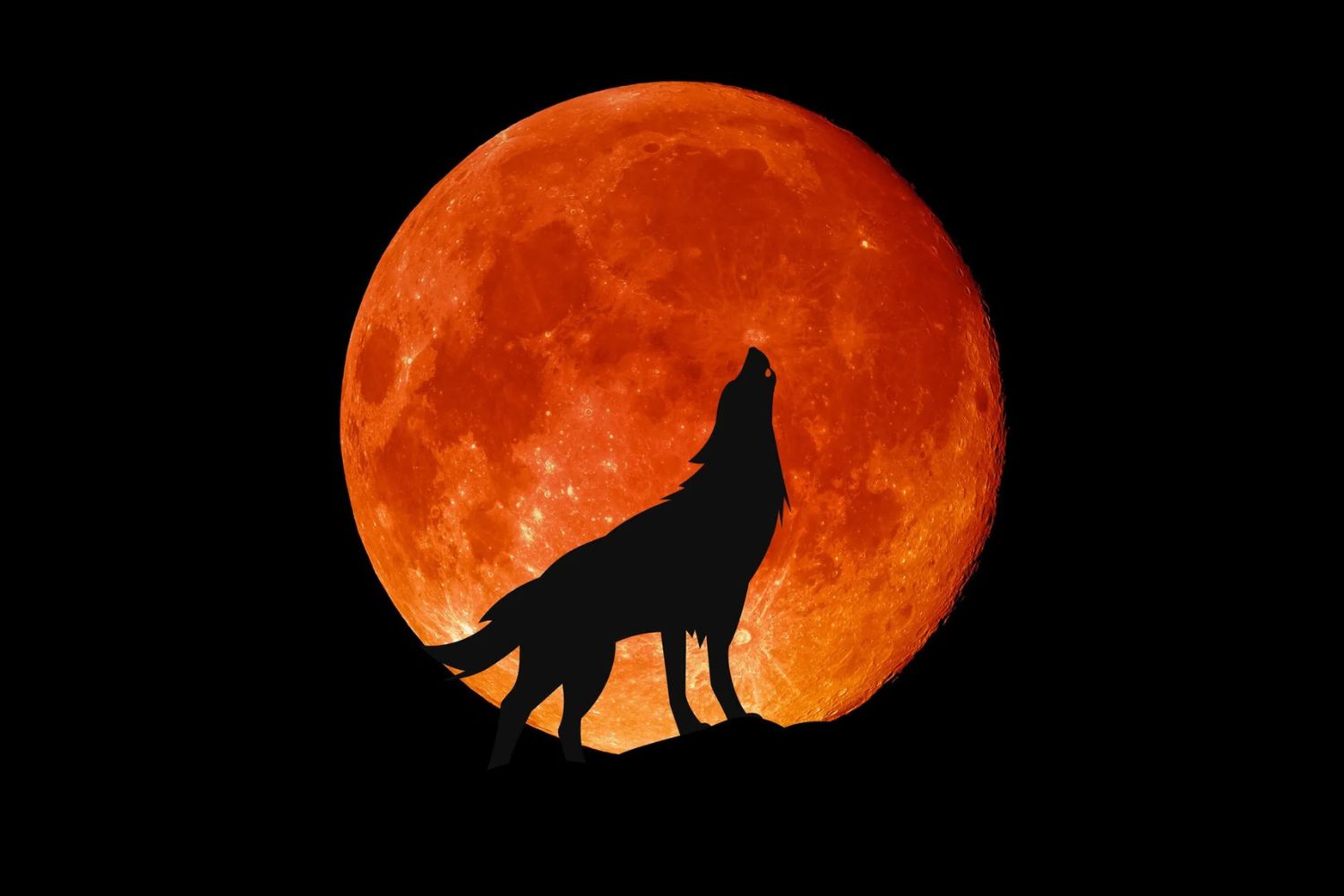
Ever wondered why January's full moon is called the Wolf Moon? This name comes from Native American traditions, where tribes noticed wolves howling more during this time of year. The Wolf Moon marks the first full moon of the year, often appearing in January. It's a time when the moonlight illuminates the winter landscape, creating a magical scene. Did you know that the Wolf Moon is also known as the Old Moon or Ice Moon in different cultures? These names reflect the harsh winter conditions and the moon's bright presence in the night sky. Curious about more fascinating facts about the Wolf Moon? Keep reading to uncover 25 intriguing details about this celestial event.
What is the Wolf Moon?
The Wolf Moon is the name given to the first full moon of the year. This celestial event has fascinated humans for centuries, inspiring myths, legends, and even scientific curiosity. Let's dive into some intriguing facts about this lunar phenomenon.
-
The name "Wolf Moon" comes from Native American tribes who named it after the howling of wolves during the cold winter months.
-
It typically occurs in January, marking the first full moon of the new year.
-
The Wolf Moon is also known as the "Old Moon" or the "Moon After Yule."
-
In some cultures, it symbolizes renewal and the start of a new cycle.
Historical Significance
The Wolf Moon has a rich history that spans various cultures and traditions. Here are some fascinating historical facts:
-
Ancient Romans called it the "Moon of the Open Door," signifying new beginnings.
-
In medieval Europe, it was believed that the Wolf Moon had the power to ward off evil spirits.
-
The Chinese Lunar Calendar refers to it as the "Holiday Moon," marking the end of the winter solstice celebrations.
-
Native American tribes used the Wolf Moon to track the seasons and plan their agricultural activities.
Scientific Facts
Beyond its cultural significance, the Wolf Moon has some interesting scientific aspects. Here are a few:
-
The Wolf Moon is a full moon, meaning it occurs when the Earth is directly between the sun and the moon.
-
It appears larger and brighter than other full moons due to its position in the sky.
-
The moon's orbit around Earth is elliptical, causing variations in its distance from our planet. This can make the Wolf Moon appear slightly larger, a phenomenon known as the "moon illusion."
-
The Wolf Moon can affect tides, causing higher-than-usual tides known as "spring tides."
Myths and Legends
The Wolf Moon has inspired numerous myths and legends throughout history. Here are some of the most captivating ones:
-
In Norse mythology, the Wolf Moon is associated with Fenrir, a giant wolf destined to bring about the end of the world during Ragnarok.
-
Some Native American tribes believed that the howling of wolves during the Wolf Moon was a call to gather and hunt.
-
In ancient Greek mythology, the Wolf Moon was linked to the goddess Artemis, the protector of wild animals.
-
European folklore often depicted the Wolf Moon as a time when werewolves were most active.
Modern Celebrations
Today, the Wolf Moon continues to be celebrated in various ways around the world. Here are some modern traditions:
-
Many people participate in moon-gazing events to witness the beauty of the Wolf Moon.
-
Some cultures hold festivals and ceremonies to honor the Wolf Moon and its significance.
-
Photographers and astronomers often take advantage of the Wolf Moon to capture stunning images and conduct research.
-
In recent years, the Wolf Moon has become a popular subject for social media posts and online discussions.
Fun Facts
Let's wrap up with some fun and lesser-known facts about the Wolf Moon:
-
The term "Wolf Moon" was popularized in the 1930s by the Maine Farmers' Almanac.
-
The Wolf Moon is often accompanied by a "moonbow," a rare phenomenon where a rainbow forms at night due to moonlight.
-
In astrology, the Wolf Moon is believed to bring heightened emotions and introspection.
-
The Wolf Moon has inspired numerous works of art, literature, and music over the years.
-
Some people believe that making a wish during the Wolf Moon can bring good luck and positive energy.
The Magic of the Wolf Moon
The Wolf Moon isn't just another full moon. It's steeped in history, myth, and natural beauty. Named by Native American tribes, it marks the first full moon of the year, often appearing in January. This moon has inspired countless legends and stories, symbolizing renewal and reflection. Its bright light has guided many through the dark winter nights.
Whether you're a stargazer, a history buff, or just someone who loves a good story, the Wolf Moon offers something special. It reminds us of our connection to nature and the cycles that govern our world. Next time you see the Wolf Moon, take a moment to appreciate its beauty and the rich traditions it represents. It's a celestial event that continues to captivate and inspire, year after year.
Was this page helpful?
Our commitment to delivering trustworthy and engaging content is at the heart of what we do. Each fact on our site is contributed by real users like you, bringing a wealth of diverse insights and information. To ensure the highest standards of accuracy and reliability, our dedicated editors meticulously review each submission. This process guarantees that the facts we share are not only fascinating but also credible. Trust in our commitment to quality and authenticity as you explore and learn with us.