



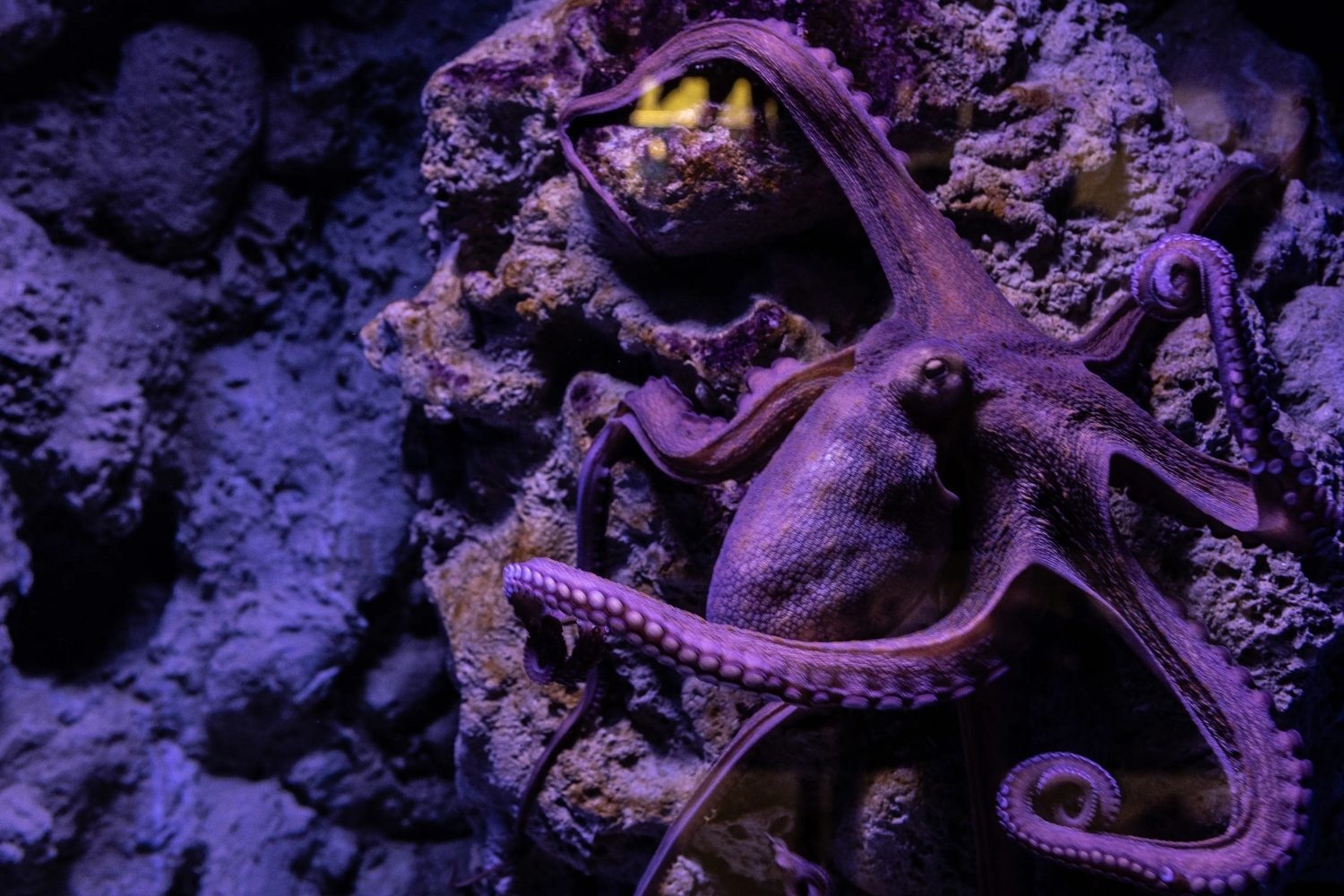
Have you ever wondered about the mysterious and elusive Eclipse Octopus? This fascinating creature, known for its unique appearance and behavior, has captured the curiosity of marine biologists and ocean enthusiasts alike. Found in the deep, dark depths of the ocean, the Eclipse Octopus is a marvel of nature with its translucent body and bioluminescent capabilities. But what makes this octopus so special? From its diet and habitat to its incredible survival tactics, there’s so much to learn about this underwater enigma. Dive into these 25 facts about the Eclipse Octopus and uncover the secrets of one of the ocean's most intriguing inhabitants.
What is the Eclipse Octopus?
The Eclipse Octopus is a fascinating marine creature that has captured the imagination of scientists and ocean enthusiasts alike. Known for its unique appearance and behaviors, this octopus species is a marvel of the deep sea.
- The Eclipse Octopus gets its name from the dark, shadowy patterns on its body, resembling an eclipse.
- It belongs to the genus Octopus, which includes over 300 species of octopuses.
- This species is primarily found in the deep waters of the Pacific Ocean.
Physical Characteristics
The physical traits of the Eclipse Octopus make it stand out among other octopus species. These characteristics are not just for show; they serve various survival functions.
- The Eclipse Octopus has a semi-transparent body, allowing it to blend seamlessly with its surroundings.
- Its arms can reach up to 3 feet in length, making it a formidable predator.
- The octopus has specialized cells called chromatophores that enable it to change color rapidly.
Behavior and Hunting Techniques
Understanding the behavior and hunting techniques of the Eclipse Octopus can provide insights into its survival strategies in the deep sea.
- This octopus is nocturnal, meaning it is most active during the night.
- It uses a technique called "ambush predation," lying in wait for unsuspecting prey.
- The Eclipse Octopus can eject a cloud of ink to confuse predators and make a quick escape.
Diet and Feeding Habits
The diet of the Eclipse Octopus is as intriguing as its appearance. It has a varied diet that includes several marine organisms.
- It primarily feeds on small fish, crustaceans, and mollusks.
- The octopus uses its beak-like mouth to break open the shells of its prey.
- It has a unique feeding technique where it injects venom to paralyze its prey before consuming it.
Reproduction and Lifespan
Reproduction in the Eclipse Octopus is a complex process that ensures the survival of the species. Their lifespan, although short, is filled with fascinating reproductive behaviors.
- The female Eclipse Octopus lays thousands of eggs in a secluded den.
- She guards the eggs diligently until they hatch, often not eating during this period.
- The lifespan of an Eclipse Octopus is relatively short, averaging around 1 to 2 years.
Habitat and Distribution
The habitat and distribution of the Eclipse Octopus are crucial for understanding its ecological role and conservation status.
- This species is typically found at depths ranging from 200 to 600 meters.
- It prefers rocky crevices and coral reefs as its habitat.
- The Eclipse Octopus is primarily distributed in the Pacific Ocean, particularly around Japan and the Philippines.
Interaction with Humans
While the Eclipse Octopus is not commonly encountered by humans, it has made its mark in marine biology and popular culture.
- It is rarely seen by divers due to its deep-sea habitat.
- The species has been featured in several documentaries highlighting deep-sea life.
- Researchers study the Eclipse Octopus to understand more about deep-sea ecosystems.
Conservation Status
The conservation status of the Eclipse Octopus is a topic of concern for marine biologists and conservationists.
- Currently, there is limited data on the population size of the Eclipse Octopus.
- Deep-sea fishing and habitat destruction pose potential threats to its survival.
- Conservation efforts are focused on protecting deep-sea habitats to ensure the survival of this unique species.
Fun Facts
Here are some fun and lesser-known facts about the Eclipse Octopus that highlight its uniqueness.
- The Eclipse Octopus can squeeze through incredibly small spaces, thanks to its soft, flexible body.
The Final Word on Eclipse Octopuses
Eclipse octopuses are truly fascinating creatures. Their unique ability to change color and texture helps them blend into their surroundings, making them masters of camouflage. These octopuses are also known for their intelligence, using tools and solving problems in ways that surprise scientists. Found in various oceans around the world, they prefer deep, dark waters where they can hunt and hide effectively.
Their diet consists mainly of small fish, crabs, and other marine animals. With their eight arms, they can manipulate objects and even open jars to get to their food. Despite their mysterious nature, researchers continue to learn more about these incredible animals, revealing new facts that deepen our understanding of marine life.
Next time you think about the ocean's wonders, remember the eclipse octopus. Its remarkable abilities and intriguing behaviors make it a standout in the underwater world.
Was this page helpful?
Our commitment to delivering trustworthy and engaging content is at the heart of what we do. Each fact on our site is contributed by real users like you, bringing a wealth of diverse insights and information. To ensure the highest standards of accuracy and reliability, our dedicated editors meticulously review each submission. This process guarantees that the facts we share are not only fascinating but also credible. Trust in our commitment to quality and authenticity as you explore and learn with us.