



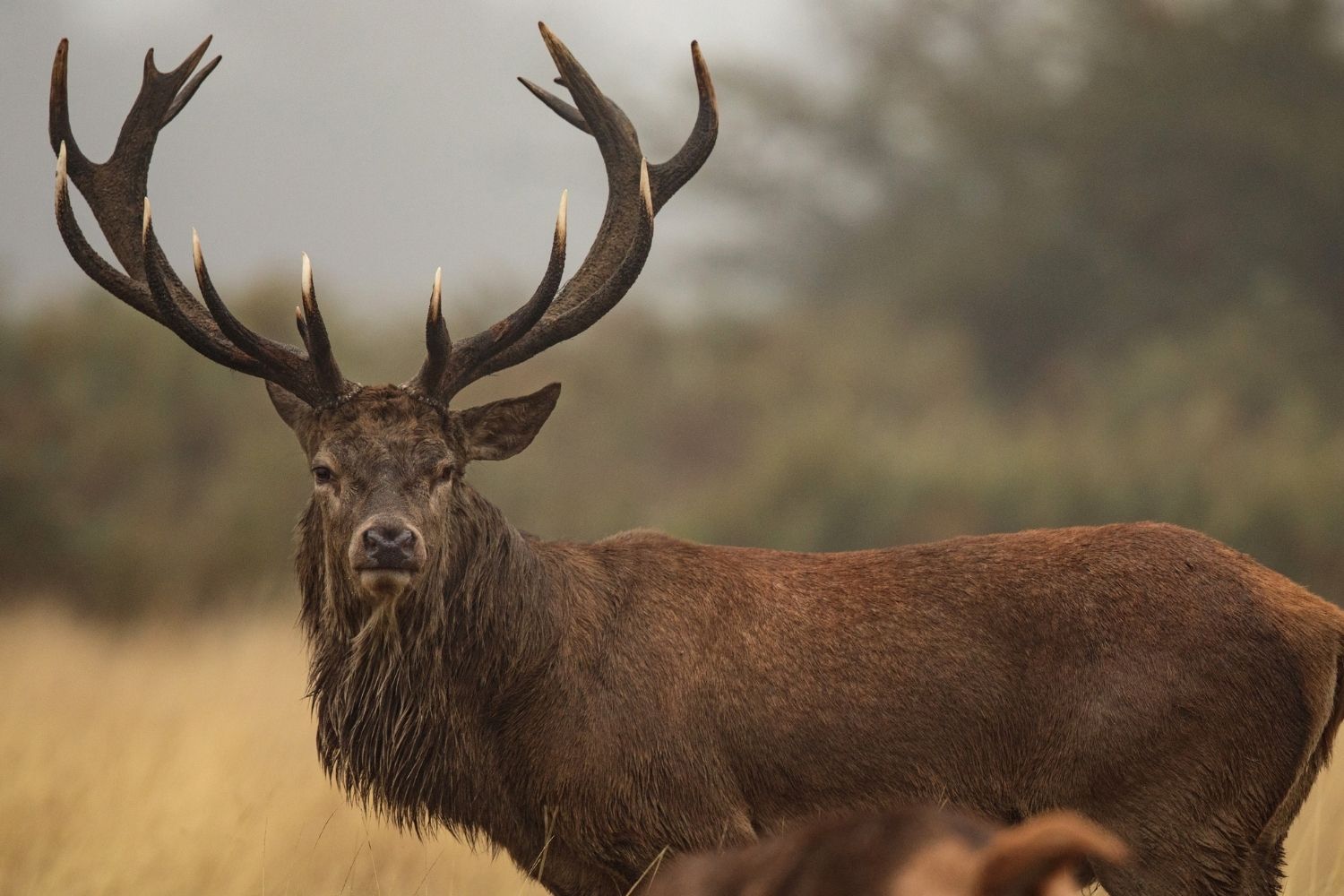
Cerf Rouge, also known as the Red Deer, is a majestic creature that roams forests and grasslands across Europe, Asia, and North Africa. But what makes this animal so fascinating? Red Deer are not just any ordinary deer; they are the fourth-largest deer species in the world. With their striking antlers and rich, reddish-brown coats, they stand out in the wild. Did you know that male Red Deer, called stags, can weigh up to 530 pounds? They also have a unique way of communicating through loud roars, especially during the mating season. Red Deer play a crucial role in their ecosystems by helping to maintain plant diversity. Ready to learn more? Let's dive into 25 intriguing facts about these incredible animals!
What is Cerf Rouge?
Cerf Rouge, also known as the Red Deer, is a majestic creature found in various parts of the world. These animals are known for their striking appearance and fascinating behaviors. Let's dive into some intriguing facts about Cerf Rouge.
-
Scientific Name: The scientific name for Cerf Rouge is Cervus elaphus. This name is derived from Latin, where "Cervus" means deer and "elaphus" means red.
-
Habitat: Cerf Rouge can be found in forests, grasslands, and even mountainous regions. They are highly adaptable and can thrive in various environments.
-
Physical Appearance: Males, known as stags, have impressive antlers that can grow up to 45 inches long. These antlers are shed and regrown annually.
-
Size: Adult stags can weigh between 350 to 530 pounds, while females, known as hinds, are smaller, weighing between 260 to 370 pounds.
-
Lifespan: In the wild, Cerf Rouge can live up to 15 years. However, in captivity, they can live up to 20 years due to better care and lack of predators.
-
Diet: These deer are herbivores, primarily feeding on grasses, leaves, and twigs. During winter, they may consume bark and tree shoots.
-
Social Structure: Cerf Rouge are social animals and live in groups called herds. These herds are usually led by a dominant male.
-
Breeding Season: The breeding season, known as the rut, occurs in autumn. During this time, males compete for the attention of females through vocalizations and displays of strength.
-
Calving: Hinds give birth to one or two calves after a gestation period of about 240 days. Calves are born with spots that help camouflage them from predators.
-
Communication: Cerf Rouge communicate through a series of vocalizations, including roars, grunts, and barks. These sounds can convey different messages, such as warnings or mating calls.
Historical Significance
Cerf Rouge has played a significant role in human history and culture. From ancient myths to modern-day conservation efforts, these animals have left an indelible mark.
-
Mythology: In many cultures, Cerf Rouge is considered a symbol of strength and nobility. In Celtic mythology, they are often associated with gods and heroes.
-
Hunting: Historically, hunting Cerf Rouge was a popular sport among nobility. Their antlers were often used as trophies and symbols of status.
-
Conservation: Due to overhunting and habitat loss, Cerf Rouge populations declined significantly. Conservation efforts have been implemented to protect and restore their numbers.
-
Cultural Symbol: In Scotland, the Red Deer is a national symbol and is featured in various emblems and folklore.
-
Art and Literature: Cerf Rouge has been depicted in numerous works of art and literature, symbolizing beauty, grace, and wilderness.
Unique Behaviors
Cerf Rouge exhibit some fascinating behaviors that make them unique among deer species. These behaviors are often related to their survival and social interactions.
-
Antler Shedding: Stags shed their antlers every year after the breeding season. New antlers begin to grow almost immediately and are covered in a soft, velvety skin.
-
Wallows: During the rut, stags create wallows by digging shallow pits and urinating in them. They then roll in the mud to coat themselves with a scent that attracts females.
-
Migration: In some regions, Cerf Rouge migrate seasonally to find food and suitable breeding grounds. This migration can cover long distances and is crucial for their survival.
-
Grooming: These deer engage in mutual grooming, where they clean each other's fur using their tongues. This behavior helps strengthen social bonds within the herd.
-
Scent Marking: Stags mark their territory by rubbing their antlers against trees and shrubs. This leaves a scent that warns other males to stay away.
Adaptations for Survival
Cerf Rouge have developed several adaptations that help them survive in the wild. These adaptations range from physical traits to behavioral strategies.
-
Camouflage: The reddish-brown coat of Cerf Rouge helps them blend into their surroundings, making it difficult for predators to spot them.
-
Acute Senses: They have excellent hearing and a keen sense of smell, which helps them detect predators and find food.
-
Speed and Agility: Cerf Rouge are fast runners and can reach speeds of up to 35 miles per hour. Their agility allows them to navigate through dense forests and rough terrain.
-
Seasonal Coat: Their coat changes with the seasons, becoming thicker and darker in winter to provide warmth and camouflage in snowy environments.
-
Herd Protection: Living in herds provides safety in numbers. When threatened, the herd can quickly mobilize and flee, reducing the chances of individual members being caught by predators.
Final Thoughts on Cerf Rouge
Cerf Rouge is a fascinating creature with its unique red fur and intriguing behaviors. From its diet of berries and small insects to its ability to blend into its surroundings, this animal is a true marvel of nature. Its social structure, with strong family bonds and cooperative hunting techniques, showcases the complexity of its interactions. The fact that Cerf Rouge can communicate through a series of chirps and whistles adds another layer to its mystique. Understanding these aspects not only enriches our knowledge of wildlife but also highlights the importance of preserving such unique species. As we continue to learn more about Cerf Rouge, we gain a deeper appreciation for the diversity and intricacy of the natural world. So next time you hear a chirp in the forest, remember, it might just be a Cerf Rouge saying hello.
Was this page helpful?
Our commitment to delivering trustworthy and engaging content is at the heart of what we do. Each fact on our site is contributed by real users like you, bringing a wealth of diverse insights and information. To ensure the highest standards of accuracy and reliability, our dedicated editors meticulously review each submission. This process guarantees that the facts we share are not only fascinating but also credible. Trust in our commitment to quality and authenticity as you explore and learn with us.