


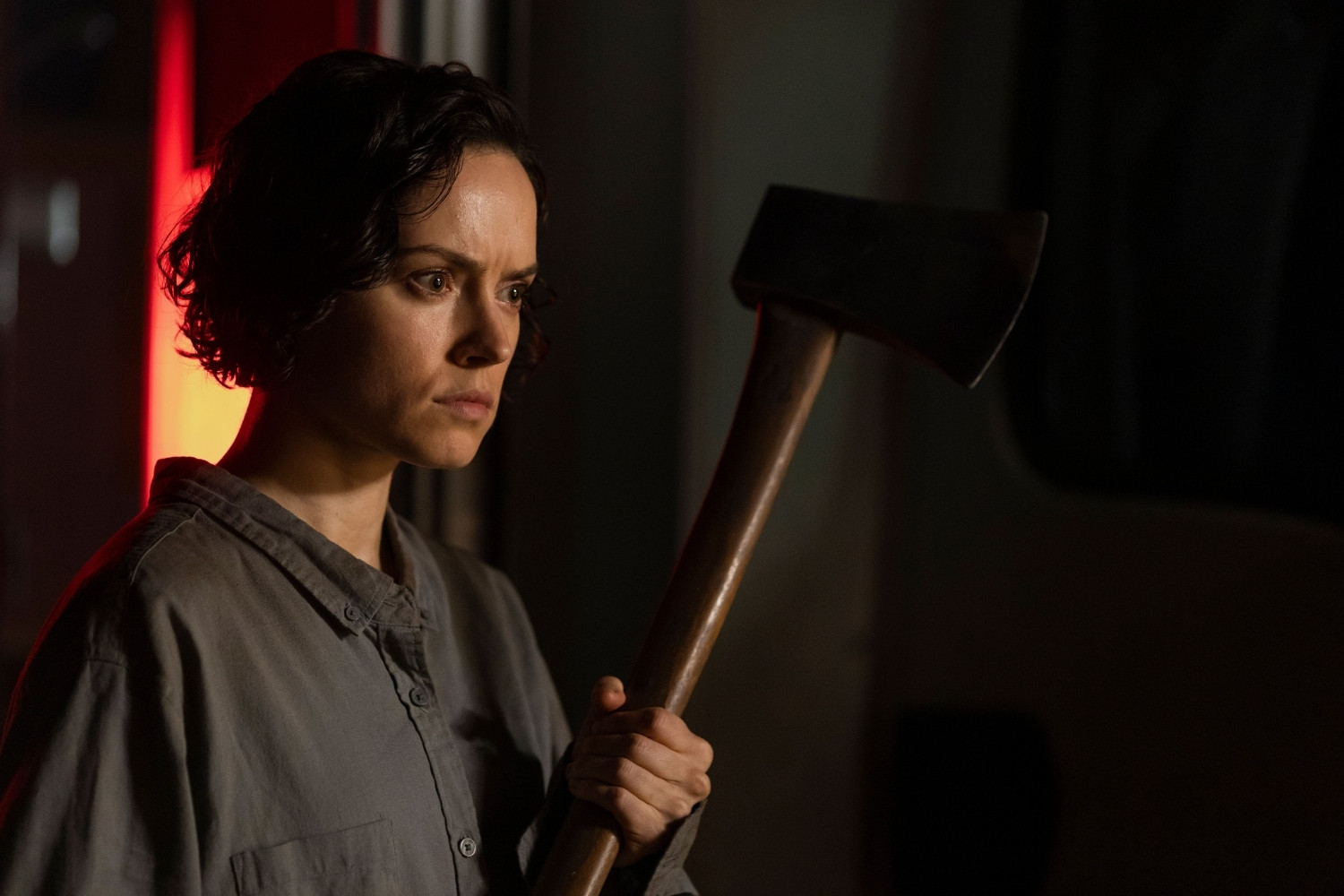
We Bury The Dead is a gripping novel that has captured the attention of readers worldwide. But what makes this book so intriguing? Is it the compelling storyline, the complex characters, or the unexpected twists? This blog post will delve into 25 fascinating facts about We Bury The Dead that will enhance your reading experience. From behind-the-scenes insights to little-known details about the author, these facts will give you a deeper understanding of the novel. Whether you're a longtime fan or new to the story, these tidbits will enrich your appreciation for this captivating tale. Ready to uncover the secrets behind We Bury The Dead? Let's get started!
We Bury The Dead: A Fascinating Practice
Burial customs have been a part of human culture for thousands of years. These rituals reflect beliefs, traditions, and respect for the deceased. Here are some intriguing facts about burial practices around the world.
-
Ancient Egyptians believed in an afterlife where the dead would live eternally. They mummified bodies to preserve them for this journey.
-
Viking funerals often involved burning the deceased on a boat. This practice was believed to help the dead reach Valhalla, a majestic hall ruled by Odin.
-
Sky burials in Tibet involve leaving the body on a mountaintop to be consumed by vultures. This practice is rooted in Buddhist beliefs about the impermanence of life.
-
Green burials are becoming more popular. These eco-friendly burials avoid embalming fluids and use biodegradable caskets to reduce environmental impact.
-
Jazz funerals in New Orleans combine somber mourning with lively music. The procession starts with a dirge and ends with upbeat jazz, celebrating the deceased's life.
Unique Burial Practices Around the World
Different cultures have unique ways of honoring their dead. Some practices might seem unusual, but they hold deep meaning for those who observe them.
-
The Toraja people of Indonesia keep their deceased relatives in their homes for years before burial. They believe the dead are still part of the family until they are buried.
-
In Ghana, elaborate coffins shaped like objects significant to the deceased's life are common. These can be anything from cars to animals.
-
South Korean burials sometimes involve turning the deceased's ashes into beads. These beads are kept by family members as a way to remember their loved ones.
-
The Malagasy people of Madagascar practice "famadihana" or the turning of the bones. Every few years, they exhume their ancestors' remains, rewrap them in fresh cloth, and dance with the bodies.
-
In the Philippines, the Igorot people bury their dead in hanging coffins attached to cliffs. This practice is believed to bring the deceased closer to ancestral spirits.
Modern Burial Innovations
As society evolves, so do burial practices. Modern innovations aim to address environmental concerns and offer new ways to remember the dead.
-
Human composting is a new method where bodies are turned into soil. This process is eco-friendly and provides a way to give back to the earth.
-
Space burials send a small portion of the deceased's ashes into space. This allows people to fulfill their dreams of exploring the cosmos even after death.
-
Memorial reefs involve mixing cremated remains with concrete to create artificial reefs. These reefs provide habitats for marine life and serve as underwater memorials.
-
Digital memorials are becoming more common. Websites and social media pages allow people to share memories and photos of the deceased, creating a lasting online tribute.
-
Cryonics involves freezing the body with the hope that future technology will allow for revival and curing of diseases.
Historical Burial Sites
Some burial sites have become famous due to their historical significance or unique characteristics. These sites offer a glimpse into the past and the cultures that created them.
-
The Great Pyramids of Giza in Egypt are tombs for pharaohs. These massive structures have fascinated people for centuries.
-
The Catacombs of Paris hold the remains of over six million people. This underground ossuary was created to address the city's overflowing cemeteries.
-
Westminster Abbey in London is the final resting place for many British monarchs and notable figures. Its history and architecture attract millions of visitors each year.
-
The Terracotta Army in China was buried with Emperor Qin Shi Huang. This massive collection of life-sized statues was meant to protect the emperor in the afterlife.
-
The Valley of the Kings in Egypt is home to the tombs of many pharaohs. The discovery of King Tutankhamun's tomb in this area was one of the most significant archaeological finds of the 20th century.
Cultural Beliefs and Burial Rites
Burial practices are deeply tied to cultural beliefs about death and the afterlife. These rites reflect how different societies understand and cope with mortality.
-
In Hinduism, cremation is the preferred method of body disposal. The ashes are often scattered in a sacred river, like the Ganges, to help the soul achieve moksha, or liberation.
-
Jewish burials typically occur within 24 hours of death. The body is washed, wrapped in a simple shroud, and placed in a plain wooden coffin.
-
In Islam, the deceased is buried as soon as possible, usually within 24 hours. The body is washed, shrouded in white cloth, and placed directly in the ground without a coffin.
-
The Day of the Dead in Mexico is a vibrant celebration where families honor their deceased loved ones. Altars are set up with photos, favorite foods, and mementos of the deceased.
-
In some African cultures, elaborate funerals are held to ensure the deceased's safe passage to the afterlife. These ceremonies can last several days and involve music, dance, and feasting.
Final Thoughts on We Bury The Dead
We Bury The Dead is a fascinating topic that intertwines history, culture, and human emotion. From ancient burial practices to modern-day rituals, how we honor the deceased speaks volumes about our values and beliefs. Understanding these customs not only connects us to our ancestors but also helps us appreciate the diversity of traditions around the world. Whether it’s the grandeur of Egyptian pyramids or the simplicity of a family grave, each practice holds deep significance. So next time you visit a cemetery or attend a funeral, remember the rich history behind these acts. It’s a reminder of our shared humanity and the respect we owe to those who came before us. Keep exploring, keep learning, and always cherish the stories that shape our world.
Was this page helpful?
Our commitment to delivering trustworthy and engaging content is at the heart of what we do. Each fact on our site is contributed by real users like you, bringing a wealth of diverse insights and information. To ensure the highest standards of accuracy and reliability, our dedicated editors meticulously review each submission. This process guarantees that the facts we share are not only fascinating but also credible. Trust in our commitment to quality and authenticity as you explore and learn with us.