


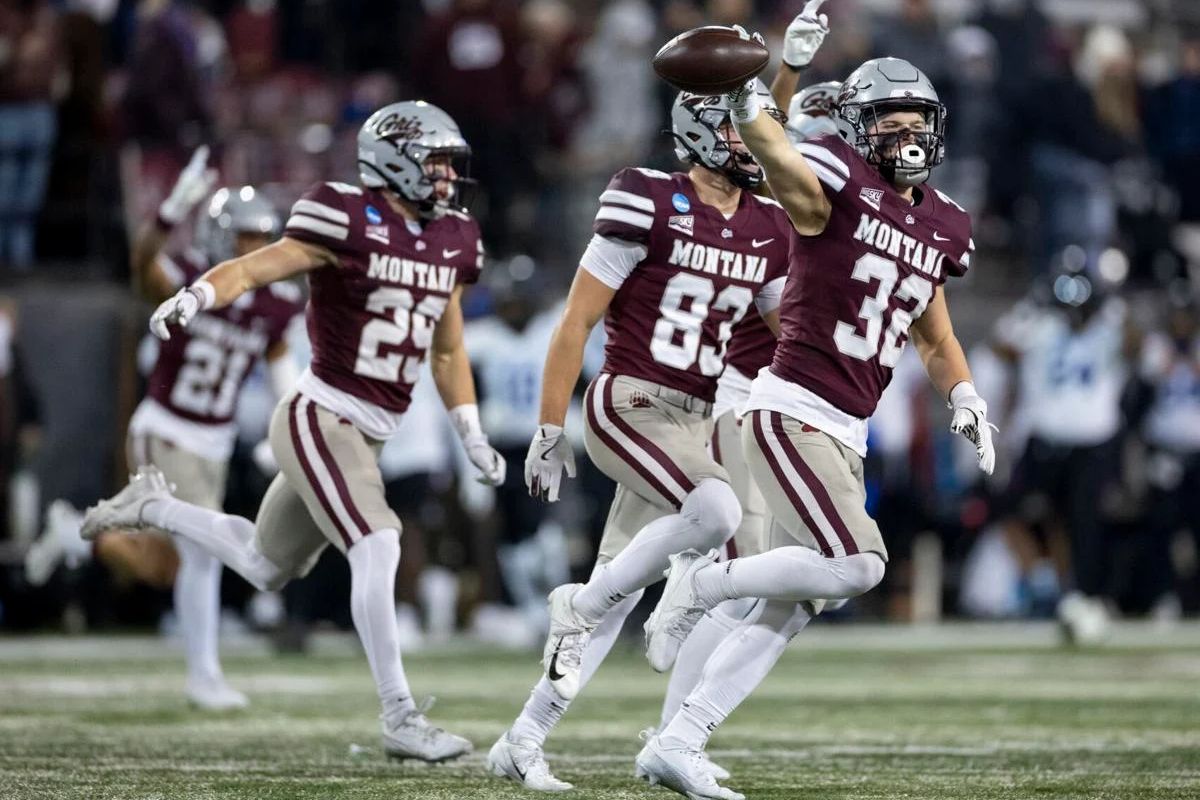
Ever wondered what makes the Montana Grizzlies so special? This powerhouse team from the University of Montana has a rich history and a passionate fan base. From their fierce rivalry with the Montana State Bobcats to their impressive record in the Big Sky Conference, the Grizzlies have plenty of stories to tell. Whether you're a die-hard fan or just curious about college football, these 30 facts will give you a deeper appreciation for the team. Did you know the Grizzlies have won multiple national championships? Or that their mascot, Monte, has been named the top college mascot in the country? Let's dive into the world of the Montana Grizzlies and uncover what makes them roar.
Montana Grizzlies: A Glimpse into Their World
Montana Grizzlies, also known as Ursus arctos horribilis, are fascinating creatures. They roam the wild landscapes of North America, particularly in Montana. Let's dive into some intriguing facts about these majestic animals.
Grizzly Bear Basics
Understanding the basics of grizzly bears helps appreciate their role in the ecosystem.
- Scientific Name: The scientific name for the grizzly bear is Ursus arctos horribilis. This name reflects their fearsome reputation.
- Weight: Adult male grizzlies can weigh between 400 to 790 pounds, while females typically weigh between 290 to 400 pounds.
- Height: When standing on their hind legs, grizzlies can reach up to 8 feet tall.
- Lifespan: In the wild, grizzlies can live up to 25 years, though many do not reach this age due to various factors.
- Color: Despite their name, grizzlies can range in color from blonde to dark brown.
Habitat and Range
Grizzlies have specific habitat preferences and a wide range.
- Habitat: Grizzlies prefer dense forests, alpine meadows, and river valleys.
- Range: Historically, grizzlies roamed much of North America. Today, they are primarily found in Alaska, western Canada, and parts of the northwestern United States, including Montana.
- Territory Size: A grizzly bear's territory can cover up to 600 square miles, depending on food availability.
- Denning: Grizzlies hibernate in dens during the winter, which they dig themselves or find in natural caves.
- Elevation: They can live at elevations ranging from sea level to 10,000 feet.
Diet and Hunting
Grizzlies have a varied diet and unique hunting methods.
- Omnivores: Grizzlies are omnivores, meaning they eat both plants and animals.
- Diet: Their diet includes berries, roots, nuts, insects, fish, and small to large mammals.
- Salmon: In areas where salmon are present, grizzlies rely heavily on these fish for nutrition.
- Hunting Skills: Grizzlies are skilled hunters and can run up to 35 miles per hour to catch prey.
- Foraging: They spend a significant amount of time foraging for food, especially before hibernation.
Behavior and Social Structure
Grizzlies exhibit fascinating behaviors and social structures.
- Solitary Animals: Grizzlies are generally solitary, except for mothers with cubs or during mating season.
- Communication: They communicate through vocalizations, body language, and scent marking.
- Mating Season: Mating occurs from May to July, with cubs born during hibernation in January or February.
- Cubs: A mother grizzly typically gives birth to 1-3 cubs, which stay with her for about 2-3 years.
- Playful Nature: Cubs are known for their playful behavior, which helps them develop survival skills.
Conservation and Human Interaction
Conservation efforts and human interactions play a crucial role in the survival of grizzlies.
- Endangered Status: Grizzlies are considered a threatened species in the contiguous United States.
- Conservation Efforts: Various organizations work to protect grizzly habitats and reduce human-bear conflicts.
- Bear Spray: In areas where grizzlies are common, carrying bear spray is recommended for safety.
- Human Encounters: Grizzlies generally avoid humans but can become dangerous if they feel threatened or if food is involved.
- Education: Educating the public about grizzly behavior and safety can help reduce negative encounters.
Interesting Tidbits
Some lesser-known facts about grizzlies add to their mystique.
- Swimming: Grizzlies are excellent swimmers and can cross large rivers with ease.
- Climbing: Despite their size, young grizzlies can climb trees to escape danger.
- Sense of Smell: They have an incredible sense of smell, which is seven times stronger than a bloodhound's.
- Memory: Grizzlies have excellent memories, especially when it comes to locating food sources.
- Cultural Significance: Grizzlies hold significant cultural importance for many Indigenous peoples in North America.
The Final Roar
Montana Grizzlies are more than just a football team; they're a symbol of pride, tradition, and community. From their humble beginnings in 1897 to their fierce rivalry with the Montana State Bobcats, the Grizzlies have carved out a unique place in college football history. Their home, Washington-Grizzly Stadium, is a fortress where fans gather to support their team with unmatched enthusiasm. The Grizzlies' success on the field, including multiple national championships, reflects their dedication and hard work. Off the field, their impact on the community and the state of Montana is profound. Whether you're a die-hard fan or just learning about them, the Montana Grizzlies' story is one of resilience, passion, and unwavering spirit. So next time you hear the roar of the crowd in Missoula, you'll know it's not just about football; it's about a legacy that continues to grow.
Was this page helpful?
Our commitment to delivering trustworthy and engaging content is at the heart of what we do. Each fact on our site is contributed by real users like you, bringing a wealth of diverse insights and information. To ensure the highest standards of accuracy and reliability, our dedicated editors meticulously review each submission. This process guarantees that the facts we share are not only fascinating but also credible. Trust in our commitment to quality and authenticity as you explore and learn with us.