



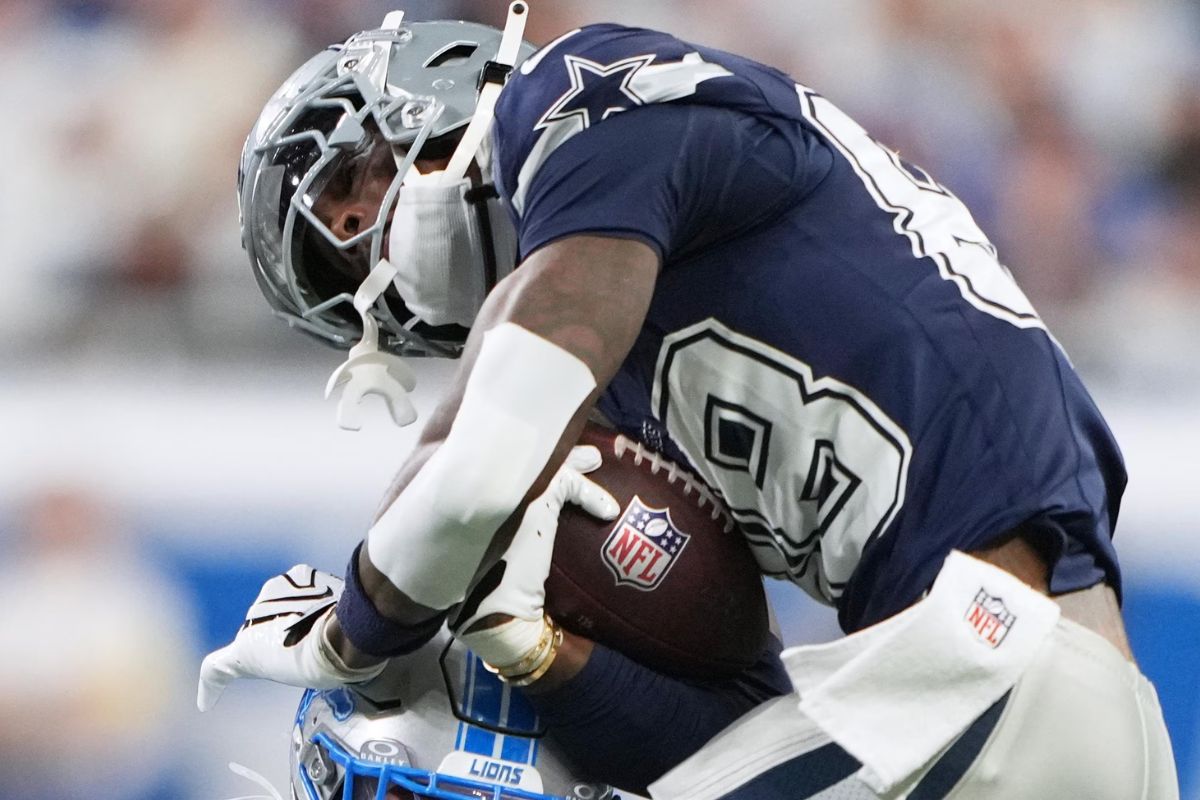
Who would win in a battle between cowboys and lions? This question sparks curiosity and imagination. Cowboys, with their rugged skills and quick reflexes, face off against the raw power and primal instincts of lions. Cowboys bring their knowledge of the wild, expert marksmanship, and trusty steeds. Lions, on the other hand, rely on their strength, speed, and hunting prowess. This clash of human ingenuity versus nature's ferocity makes for an intriguing comparison. Let's dive into 30 fascinating facts about these two formidable opponents to see who might come out on top in this epic showdown.
Cowboys: The Wild West Icons
Cowboys have long been symbols of the American frontier, embodying rugged individualism and adventure. Let's dive into some fascinating facts about these legendary figures.
- Origins: Cowboys trace their roots to Spanish vaqueros, who were the original cattle herders in the Americas.
- Cattle Drives: Cowboys often drove cattle over long distances to railheads, where the cattle would be shipped to markets.
- Gear: Essential cowboy gear includes hats, boots, spurs, and lassos, each serving a specific purpose in their daily tasks.
- Rodeos: Rodeos began as informal competitions among cowboys to showcase their skills in roping, riding, and other tasks.
- Famous Cowboys: Legendary figures like Wild Bill Hickok and Buffalo Bill Cody became famous for their exploits and helped popularize cowboy culture.
- Cowboy Code: Many cowboys followed an unwritten code of conduct emphasizing honesty, loyalty, and respect.
- Chaps: Cowboys wear chaps to protect their legs from thorny brush and the elements while riding.
- Cowboy Songs: Music played a significant role in cowboy culture, with songs often telling stories of life on the range.
- Cowboy Movies: Western films have romanticized the cowboy lifestyle, making it a staple of American cinema.
- Diverse Backgrounds: Cowboys came from various backgrounds, including African American, Native American, and Mexican, contributing to a rich cultural tapestry.
Lions: The Kings of the Jungle
Lions, often referred to as the kings of the jungle, are majestic creatures known for their strength and social structure. Here are some intriguing facts about these magnificent animals.
- Social Structure: Lions live in prides, which are social groups consisting of related females, their offspring, and a few adult males.
- Roar: A lion's roar can be heard up to five miles away, serving as a means of communication and territory marking.
- Hunting: Female lions do most of the hunting, working together to take down prey.
- Territory: Male lions defend the pride's territory from intruders, often engaging in fierce battles.
- Lifespan: In the wild, lions typically live for 10-14 years, while in captivity, they can live up to 20 years.
- Diet: Lions are carnivores, primarily feeding on large herbivores like zebras, wildebeests, and buffalo.
- Cubs: Lion cubs are born blind and rely on their mothers for protection and nourishment during the first few months of life.
- Manes: Male lions have manes that vary in color and size, often indicating their age and health.
- Endangered: Lions are classified as vulnerable due to habitat loss, human-wildlife conflict, and poaching.
- Cultural Significance: Lions have been symbols of strength and courage in various cultures throughout history.
Cowboys vs. Lions: A Fascinating Comparison
While cowboys and lions may seem worlds apart, comparing these two iconic figures reveals some interesting parallels and contrasts.
- Leadership: Both cowboys and lions exhibit leadership qualities. Cowboys often lead cattle drives, while male lions lead and protect their prides.
- Territory: Cowboys roamed vast open ranges, whereas lions fiercely defend their territories in the wild.
- Social Bonds: Cowboys formed tight-knit communities on the range, similar to the social bonds within a lion pride.
- Survival Skills: Both cowboys and lions possess remarkable survival skills, adapting to harsh environments and overcoming challenges.
- Cultural Impact: Cowboys and lions have left lasting impressions on popular culture, from Western films to national symbols.
- Adaptability: Cowboys adapted to changing landscapes and technologies, while lions adapt to shifting prey populations and habitats.
- Symbols of Strength: Both cowboys and lions are seen as symbols of strength, resilience, and independence.
- Role in Ecosystems: Cowboys played a role in shaping the American West, while lions are apex predators crucial to maintaining ecological balance.
- Myth vs. Reality: The romanticized images of cowboys and lions often differ from their real-life counterparts, highlighting the power of storytelling.
- Endurance: Both cowboys and lions demonstrate incredible endurance, whether it's enduring long cattle drives or surviving in the wild.
These facts showcase the unique and fascinating aspects of cowboys and lions, highlighting their enduring legacies and cultural significance.
Final Thoughts on Cowboys vs. Lions
Cowboys and lions have fascinated us for ages. Cowboys, with their rugged lifestyle, represent the spirit of the American West. They’re known for their skills in cattle herding, horseback riding, and living off the land. On the other hand, lions, often called the kings of the jungle, symbolize strength and majesty. They live in prides, hunt in groups, and have a social structure that’s both complex and intriguing.
Both cowboys and lions have unique qualities that make them stand out. Cowboys showcase human endurance and adaptability, while lions display natural power and teamwork. Whether you’re drawn to the adventurous life of a cowboy or the regal presence of a lion, both offer lessons in resilience and leadership.
Next time you think about cowboys or lions, remember their incredible stories and the impact they’ve had on culture and nature.
Was this page helpful?
Our commitment to delivering trustworthy and engaging content is at the heart of what we do. Each fact on our site is contributed by real users like you, bringing a wealth of diverse insights and information. To ensure the highest standards of accuracy and reliability, our dedicated editors meticulously review each submission. This process guarantees that the facts we share are not only fascinating but also credible. Trust in our commitment to quality and authenticity as you explore and learn with us.