



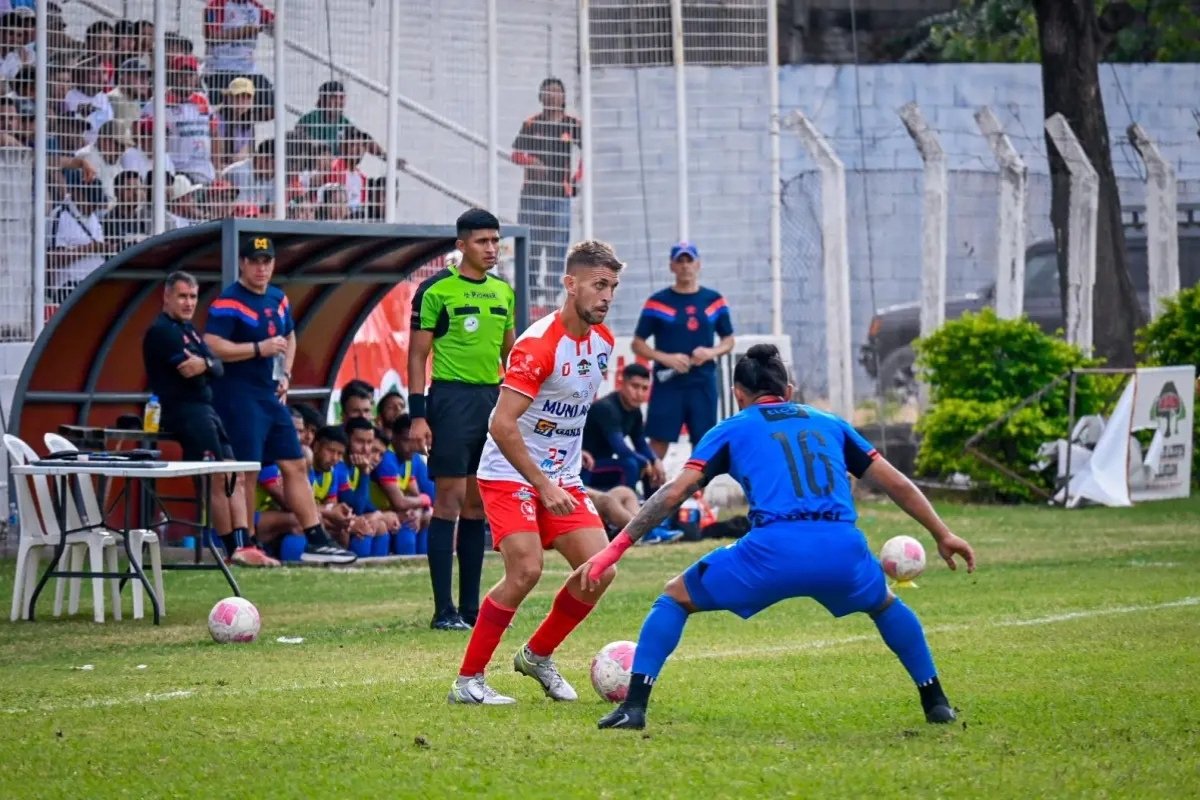
Curious about the differences between Municipal and Mictlán? You're in the right place! Municipal refers to anything related to a city or town's local government. Think of your local city hall, public parks, and community services. On the other hand, Mictlán is a concept from Aztec mythology, representing the underworld where souls journey after death. While Municipal deals with everyday civic life, Mictlán delves into ancient beliefs about the afterlife. Understanding these terms helps us appreciate both modern governance and rich cultural histories. Ready to learn more? Let's dive into 25 intriguing facts about Municipal and Mictlán!
Municipal: The Basics
Municipalities are local government units that manage cities, towns, or districts. They handle public services, infrastructure, and community needs. Here are some interesting facts about municipalities:
-
Municipalities have existed for centuries. Ancient Rome had local governments similar to today's municipalities, managing public services and infrastructure.
-
Municipalities vary in size. They can range from small towns with a few hundred residents to large cities with millions of people.
-
Local elections matter. Municipal leaders, like mayors and council members, are elected by residents and have significant influence over local policies.
-
Public services are key. Municipalities provide essential services such as water supply, waste management, and public safety.
-
Zoning laws shape cities. Municipal governments create zoning laws that dictate land use, influencing the layout and growth of urban areas.
-
Revenue sources are diverse. Municipalities generate revenue through property taxes, sales taxes, and service fees.
-
Public transportation is often municipal. Many cities operate their own bus, subway, or tram systems to facilitate urban mobility.
-
Municipalities can merge. Sometimes, smaller municipalities combine to form larger ones for better resource management and service delivery.
-
Local ordinances are enforced. Municipal governments create and enforce local laws, such as noise regulations and building codes.
-
Community involvement is encouraged. Many municipalities have public meetings and forums where residents can voice their opinions and concerns.
Mictlán: The Underworld
Mictlán is the Aztec underworld, a place where souls journey after death. It is a fascinating aspect of Aztec mythology with rich cultural significance. Here are some intriguing facts about Mictlán:
-
Mictlán means "place of the dead." In Nahuatl, the language of the Aztecs, Mictlán translates to "place of the dead."
-
Nine levels to traverse. Souls had to pass through nine levels of challenges to reach Mictlán's final resting place.
-
Mictlantecuhtli rules Mictlán. The god of death, Mictlantecuhtli, and his wife, Mictecacihuatl, govern this underworld realm.
-
Four-year journey. It took four years for a soul to complete the journey through Mictlán's nine levels.
-
Challenging obstacles. Souls faced obstacles like mountains that clash together, a river of blood, and fierce beasts.
-
Dogs as guides. Aztecs believed that a dog, often a Xoloitzcuintli, would guide souls through the underworld.
-
Offerings for the dead. Families placed offerings on altars to help their deceased loved ones on their journey through Mictlán.
-
Day of the Dead connection. The modern Mexican holiday, Día de los Muertos, has roots in Aztec traditions related to Mictlán.
-
Mictlán's influence on art. Aztec depictions of Mictlán and its deities have inspired contemporary Mexican art and culture.
-
Skull symbolism. Skulls and bones, often associated with Mictlán, symbolize death and rebirth in Aztec culture.
Comparing Municipal and Mictlán
While municipalities and Mictlán seem worlds apart, both play crucial roles in their respective contexts. Here are some comparative facts:
-
Governance vs. Mythology. Municipalities are real-world governing bodies, whereas Mictlán is a mythological concept.
-
Public services vs. spiritual journey. Municipalities focus on providing public services, while Mictlán represents a spiritual journey after death.
-
Modern relevance. Municipalities are integral to contemporary urban life, whereas Mictlán's influence persists in cultural traditions like Día de los Muertos.
-
Community involvement. Both municipalities and Mictlán involve community participation, whether through local governance or cultural rituals.
-
Symbolic significance. Municipalities symbolize civic responsibility and community, while Mictlán symbolizes the cycle of life and death.
Final Thoughts on Municipal vs. Mictlán
Municipal and Mictlán offer fascinating contrasts. Municipal, rooted in local governance, shapes our daily lives through policies, services, and community engagement. It's the backbone of our towns and cities, ensuring order and development. Mictlán, on the other hand, dives into the depths of Aztec mythology, representing the afterlife and spiritual beliefs. This ancient concept provides insight into cultural values and the human quest for understanding life and death.
Understanding these two terms enriches our perspective on both modern society and ancient civilizations. Municipalities keep our communities functioning smoothly, while Mictlán reminds us of the rich tapestry of human history and belief systems. Both play crucial roles in shaping our world, one through practical governance, the other through cultural heritage. Embracing this knowledge helps us appreciate the diverse ways humans organize and interpret their existence.
Was this page helpful?
Our commitment to delivering trustworthy and engaging content is at the heart of what we do. Each fact on our site is contributed by real users like you, bringing a wealth of diverse insights and information. To ensure the highest standards of accuracy and reliability, our dedicated editors meticulously review each submission. This process guarantees that the facts we share are not only fascinating but also credible. Trust in our commitment to quality and authenticity as you explore and learn with us.