



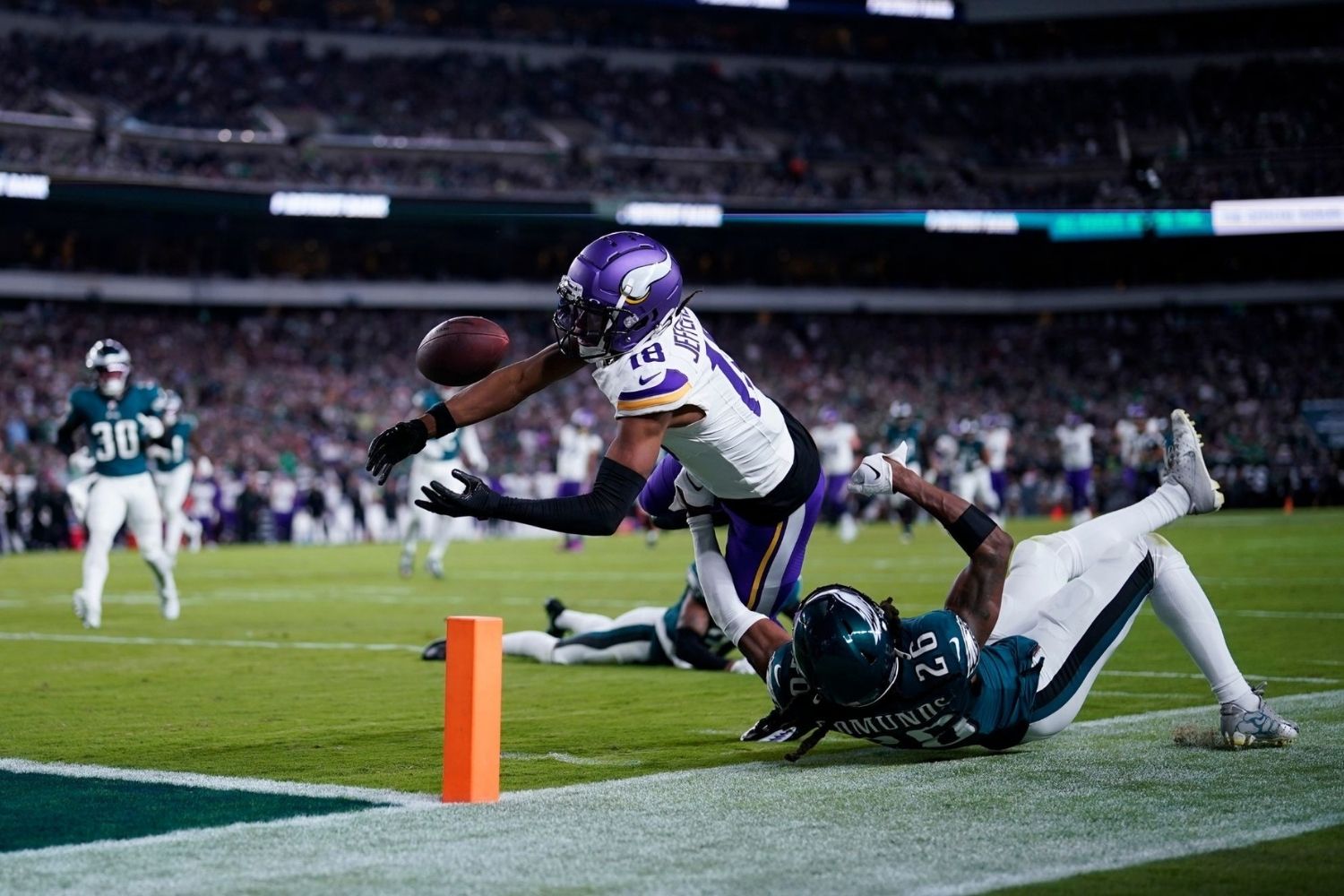
What is a touchback in football? A touchback happens when the ball is kicked into the end zone and the receiving team decides not to run it out. This often occurs during kickoffs or punts. The ball is then placed at the 25-yard line for the next play. Touchbacks help keep the game safe by reducing high-speed collisions. They also give the receiving team a decent starting position. Understanding touchbacks can make watching football more enjoyable. Whether you're a seasoned fan or new to the sport, knowing these rules adds depth to the game. Ready to learn more? Let's dive into 25 interesting facts about touchbacks!
What is a Touchback?
A touchback happens in American football when the ball is downed in the end zone after a kickoff, punt, or interception. It results in the ball being placed at the 25-yard line for the next play. Here are some interesting facts about touchbacks.
-
Touchbacks are Common in Kickoffs
During kickoffs, if the ball lands in the end zone and isn't returned by the receiving team, it results in a touchback. -
Punts Can Result in Touchbacks
If a punted ball enters the end zone and isn't downed by the kicking team, a touchback is called. -
Interceptions Can Lead to Touchbacks
When a defensive player intercepts the ball in their own end zone and doesn't advance it, a touchback is awarded. -
The 25-Yard Line Rule
After a touchback, the ball is placed at the 25-yard line for the next play. This rule aims to reduce the number of high-speed collisions during kickoffs. -
Safety Concerns
The touchback rule was adjusted to the 25-yard line from the 20-yard line to encourage more touchbacks, thus reducing injury risks. -
College Football Differences
In college football, the touchback rule also places the ball at the 25-yard line, aligning with the NFL's rule.
Historical Changes in Touchback Rules
Touchback rules have evolved over time to improve player safety and game dynamics. Here are some historical changes.
-
Original Placement
Initially, touchbacks placed the ball at the 20-yard line. This changed in 2016 to the 25-yard line. -
Kickoff Adjustments
The NFL moved the kickoff spot from the 30-yard line to the 35-yard line in 2011 to increase touchbacks. -
Fair Catch Rule
In 2018, the NFL introduced a rule allowing fair catches on kickoffs inside the 25-yard line to be treated as touchbacks. -
High School Football
High school football places the ball at the 20-yard line after a touchback, differing from college and professional levels.
Impact on Game Strategy
Touchbacks significantly influence game strategy, affecting both offensive and defensive plays. Here’s how.
-
Field Position
Starting at the 25-yard line provides a strategic advantage, offering better field position for the offense. -
Kicking Strategy
Kickers often aim for touchbacks to prevent long returns and potential scoring opportunities for the opposing team. -
Return Strategy
Return teams must decide whether to attempt a return or take a touchback, balancing risk and reward. -
Special Teams Play
Special teams units practice specific plays to either force or prevent touchbacks, depending on their strategy. -
Clock Management
Touchbacks can impact clock management, especially in close games where every second counts.
Fun Facts about Touchbacks
Touchbacks have some quirky and lesser-known aspects that make them interesting. Here are some fun facts.
-
Longest Touchback
The longest recorded touchback occurred when a kickoff sailed through the end zone and out of the stadium. -
Rare Touchback Scenarios
Touchbacks can occur on fumbles if the ball rolls into the end zone and is recovered by the defense. -
Touchback Celebrations
Some players celebrate touchbacks by spiking the ball or performing a dance, though excessive celebrations can result in penalties. -
Weather Impact
Windy conditions can affect the likelihood of touchbacks, with strong winds either aiding or hindering the ball's travel. -
Touchback Records
Some kickers hold records for the most touchbacks in a season, showcasing their leg strength and accuracy.
Touchbacks in Different Leagues
Different football leagues have their own touchback rules and nuances. Here’s a look at how touchbacks vary.
-
Canadian Football League (CFL)
In the CFL, touchbacks are called "rouges" and result in a single point for the kicking team. -
Arena Football
Arena football rarely sees touchbacks due to the smaller field size and different rules. -
XFL Rules
The XFL has unique touchback rules, placing the ball at the 35-yard line to encourage more returns. -
International Play
Touchback rules in international American football leagues often follow the NFL or college football guidelines. -
Youth Leagues
Youth football leagues may have simplified touchback rules to accommodate younger players' skill levels.
Touchbacks play a crucial role in football, affecting strategy, safety, and the overall flow of the game. Understanding these facts can enhance your appreciation of this key aspect of the sport.
Final Whistle on Touchbacks
Touchbacks might seem simple, but they hold a lot of importance in football. They can change the game's momentum, affect strategies, and even impact player safety. Knowing these 25 facts gives you a deeper appreciation for this often-overlooked part of the game. From the history of touchbacks to their role in modern football, understanding them can make watching the game even more exciting. Whether you're a casual fan or a die-hard follower, these facts help you see the game in a new light. So next time you watch a kickoff, you'll know exactly what's going on when the ball sails into the end zone. Keep these facts in mind, and you'll impress your friends with your football knowledge. Touchbacks are more than just a rule—they're a key part of the sport.
Was this page helpful?
Our commitment to delivering trustworthy and engaging content is at the heart of what we do. Each fact on our site is contributed by real users like you, bringing a wealth of diverse insights and information. To ensure the highest standards of accuracy and reliability, our dedicated editors meticulously review each submission. This process guarantees that the facts we share are not only fascinating but also credible. Trust in our commitment to quality and authenticity as you explore and learn with us.