



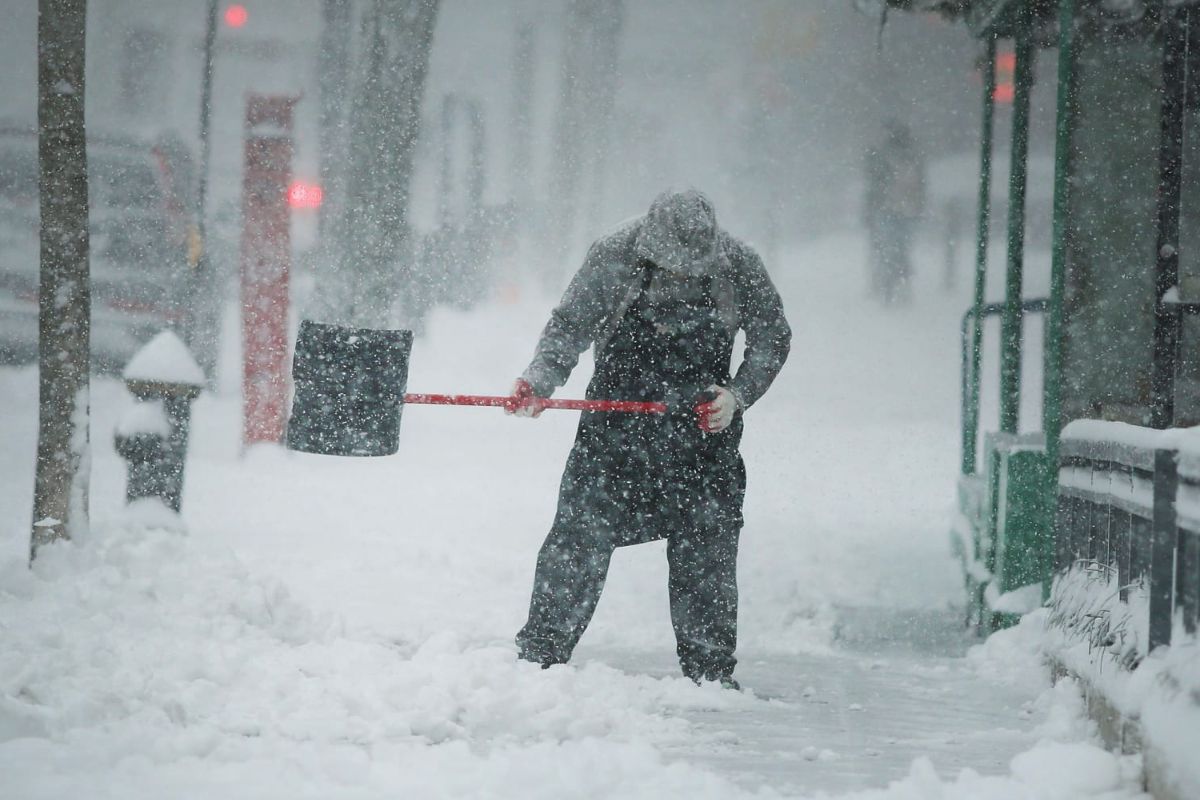
Shoveling snow might seem like a simple task, but there's more to it than meets the eye. Did you know that shoveling snow can burn up to 400 calories per hour? That's just one of the many surprising facts about this winter chore. From the best techniques to avoid injury to the history of snow shovels, there's a lot to learn. Ever wondered why some snow feels heavier than others? Or how to make the job easier and safer? Let's dig into 25 fascinating facts about shoveling snow that will make you see this common winter activity in a whole new light. Whether you're a seasoned snow shoveler or new to the task, these insights will help you tackle the snow with confidence.
The Basics of Shoveling Snow
Shoveling snow might seem straightforward, but there's more to it than meets the eye. From the tools used to the techniques applied, understanding the basics can make the task easier and safer.
-
Shoveling snow burns calories. On average, a person can burn between 400-600 calories per hour while shoveling snow. It's a great workout!
-
Snow shovels come in different shapes and sizes. Some are designed for pushing snow, while others are better for lifting. Choosing the right one can save time and effort.
-
Plastic shovels are lighter. They are easier to handle but might not be as durable as metal ones, especially for heavy, wet snow.
-
Metal shovels are more durable. They can handle tough, icy snow but are heavier, which can make the job more strenuous.
Health and Safety Tips
Shoveling snow can be physically demanding and even dangerous if not done correctly. Here are some important health and safety tips to keep in mind.
-
Warm up before shoveling. Just like any other physical activity, warming up can prevent injuries. Stretching and light exercises can prepare your muscles.
-
Dress in layers. Wearing multiple layers helps regulate body temperature. You can remove layers as you warm up to avoid overheating.
-
Stay hydrated. Even in cold weather, your body loses fluids through sweat. Drink water before, during, and after shoveling.
-
Lift with your legs, not your back. Bending your knees and using your leg muscles to lift snow can prevent back injuries.
-
Take frequent breaks. Shoveling can be exhausting. Resting every 15-20 minutes can help prevent overexertion.
-
Use a small shovel. A smaller shovel reduces the weight you lift each time, which can prevent strain and injuries.
Environmental Impact
Shoveling snow isn't just about clearing pathways; it also has environmental implications. Here are some facts about how snow removal affects the environment.
-
Salt can harm plants. Using salt to melt ice can damage grass, plants, and soil. Consider using sand or environmentally friendly ice melt products.
-
Snow piles can affect drainage. Large piles of snow can block drains and cause flooding when they melt. Be mindful of where you pile snow.
-
Snow removal equipment emits pollutants. Gas-powered snow blowers and plows contribute to air pollution. Using manual tools or electric equipment can reduce your carbon footprint.
Historical and Fun Facts
Shoveling snow has a long history and some interesting trivia associated with it. Here are some fun and historical facts about this common winter chore.
-
Snow shovels date back to ancient times. Early snow shovels were made from wood and animal bones.
-
The first patent for a snow shovel was issued in 1889. It was designed by a woman named Lydia Fairweather.
-
Snow shoveling competitions exist. Some communities hold contests to see who can clear a path the fastest.
-
Snow removal is a big business. In the U.S., the snow removal industry generates billions of dollars annually.
-
The largest snowflake on record was 15 inches wide. It fell in Fort Keogh, Montana, in 1887.
Interesting Techniques and Innovations
Over the years, people have developed various techniques and innovations to make snow shoveling easier and more efficient.
-
Heated driveways exist. These driveways have built-in heating systems that melt snow and ice, eliminating the need for shoveling.
-
Snow-melting mats are available. These mats can be placed on walkways and steps to melt snow and ice automatically.
-
Robotic snow blowers are a thing. Some companies have developed robots that can autonomously clear snow from driveways and sidewalks.
-
Snow scoops can move large amounts of snow. Unlike traditional shovels, snow scoops are designed to push large quantities of snow without lifting.
-
Ergonomic shovels reduce strain. These shovels have bent handles that minimize bending and reduce the risk of back injuries.
-
Snow pushers are different from shovels. They are designed to push snow rather than lift it, making them ideal for light, fluffy snow.
-
Snow removal apps exist. Some apps connect homeowners with local snow removal services, making it easier to find help during heavy snowfalls.
Final Thoughts on Shoveling Snow
Shoveling snow isn't just a chore; it's a workout, a science, and sometimes even a bit of fun. Knowing the right techniques can save your back and your time. Remember to dress warmly, use the right tools, and take breaks to avoid overexertion. It's fascinating how something as simple as snow removal has so many layers to it, from the history of shovels to the best ways to tackle a heavy snowfall. Whether you're clearing your driveway or helping a neighbor, these facts can make the task a bit easier and maybe even a bit more interesting. So next time the snow starts to fall, you'll be prepared with not just a shovel, but a wealth of knowledge. Stay safe, stay warm, and happy shoveling!
Was this page helpful?
Our commitment to delivering trustworthy and engaging content is at the heart of what we do. Each fact on our site is contributed by real users like you, bringing a wealth of diverse insights and information. To ensure the highest standards of accuracy and reliability, our dedicated editors meticulously review each submission. This process guarantees that the facts we share are not only fascinating but also credible. Trust in our commitment to quality and authenticity as you explore and learn with us.