



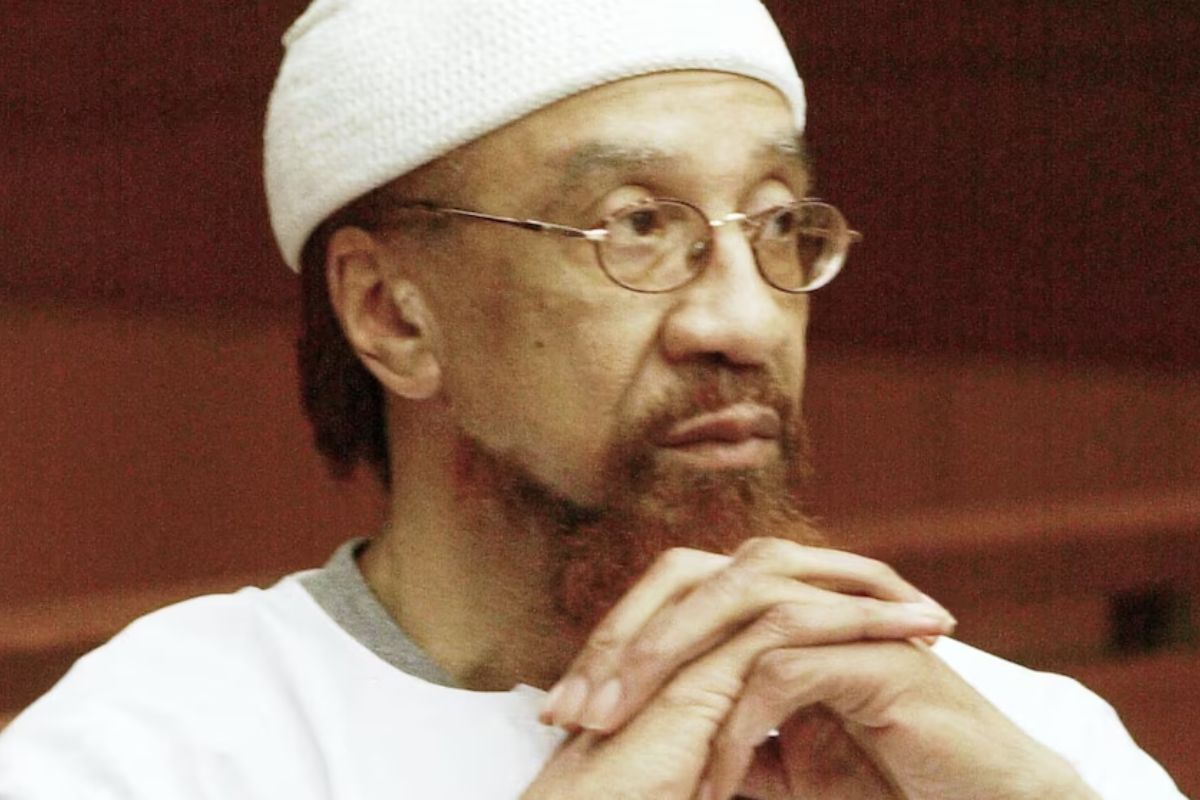
Who was H. Rap Brown? H. Rap Brown, born Hubert Gerold Brown, was a prominent figure in the Civil Rights Movement during the 1960s. Known for his fiery speeches and militant stance, he served as the chairman of the Student Nonviolent Coordinating Committee (SNCC) and later joined the Black Panther Party. Brown's activism focused on fighting racial injustice and advocating for Black empowerment. His autobiography, "Die Nigger Die!", remains a powerful testament to his experiences and beliefs. Despite his controversial methods, Brown's impact on the struggle for civil rights and social justice is undeniable. Learn more about this influential leader and his legacy.
Early Life and Background
H. Rap Brown, born Hubert Gerold Brown, is a significant figure in American history, particularly in the civil rights movement. His life is filled with fascinating and sometimes controversial moments.
-
Born on October 4, 1943, in Baton Rouge, Louisiana, Brown grew up in a time of intense racial segregation and inequality.
-
His father, a carpenter, and his mother, a domestic worker, instilled in him a strong sense of justice and resilience.
-
Brown attended Southern University in Baton Rouge, where he became involved in the civil rights movement.
-
He joined the Student Nonviolent Coordinating Committee (SNCC) in the early 1960s, a pivotal organization in the fight for civil rights.
Activism and Leadership
Brown's activism took him to the forefront of the civil rights movement. His leadership and fiery rhetoric made him a notable figure.
-
In 1967, Brown became the chairman of SNCC, succeeding Stokely Carmichael.
-
He was known for his powerful speeches, often advocating for Black Power and self-defense.
-
One of his most famous quotes is, "Violence is as American as cherry pie," highlighting the systemic violence faced by African Americans.
-
Brown's autobiography, "Die Nigger Die!", published in 1969, provides a raw and unfiltered look at his life and the struggles of African Americans.
Legal Troubles and Imprisonment
Brown's activism often put him at odds with the law. His legal troubles are a significant part of his story.
-
In 1967, he was arrested for inciting a riot in Cambridge, Maryland, after a fiery speech.
-
He went underground in 1970 after being charged with inciting violence and was placed on the FBI's Ten Most Wanted Fugitives list.
-
Brown was captured in 1971 after a shootout with police in New York City.
-
He was convicted of armed robbery and served five years in Attica Correctional Facility.
Conversion to Islam
During his time in prison, Brown experienced a significant transformation. His conversion to Islam marked a new chapter in his life.
-
While in prison, Brown converted to Islam and changed his name to Jamil Abdullah Al-Amin.
-
He became an imam and a respected leader within the Muslim community.
-
After his release, he moved to Atlanta, Georgia, where he continued his religious and community work.
Later Years and Controversies
Brown's later years were marked by both continued activism and further legal issues. His life remained complex and controversial.
-
In 2000, Brown was involved in a shootout with two Fulton County sheriff's deputies in Atlanta, resulting in the death of one deputy.
-
He was convicted of murder in 2002 and sentenced to life in prison without parole.
-
Brown has maintained his innocence, claiming he was framed due to his political beliefs and activism.
-
His case has garnered significant attention and support from various civil rights organizations and activists.
Legacy and Impact
Despite his legal troubles, Brown's impact on the civil rights movement and his legacy as a leader and activist remain significant.
-
Brown's fiery rhetoric and advocacy for Black Power influenced a generation of activists and leaders.
-
His autobiography remains a powerful testament to the struggles and resilience of African Americans.
-
Brown's life story has been the subject of numerous books, documentaries, and academic studies.
-
His conversion to Islam and subsequent work as an imam highlight the intersection of religion and activism in his life.
-
Brown's case continues to be a point of contention and discussion in the context of racial justice and political activism.
-
Despite his imprisonment, Brown's legacy as a civil rights leader and advocate for justice endures.
The Legacy of H. Rap Brown
H. Rap Brown's life is a testament to the power of activism and resilience. From his fiery speeches to his unwavering commitment to civil rights, Brown left an indelible mark on American history. His transformation from a prominent leader in the Student Nonviolent Coordinating Committee (SNCC) to a controversial figure in the Black Panther Party showcases his dedication to fighting injustice. Despite facing numerous challenges, including legal battles and imprisonment, Brown's influence continues to inspire new generations of activists. His story reminds us that the struggle for equality and justice is ongoing, and that every voice matters in the fight against oppression. As we reflect on his contributions, let's remember the importance of standing up for what is right, even when the odds are stacked against us. Brown's legacy is a powerful reminder of the impact one person can have on the world.
Was this page helpful?
Our commitment to delivering trustworthy and engaging content is at the heart of what we do. Each fact on our site is contributed by real users like you, bringing a wealth of diverse insights and information. To ensure the highest standards of accuracy and reliability, our dedicated editors meticulously review each submission. This process guarantees that the facts we share are not only fascinating but also credible. Trust in our commitment to quality and authenticity as you explore and learn with us.