



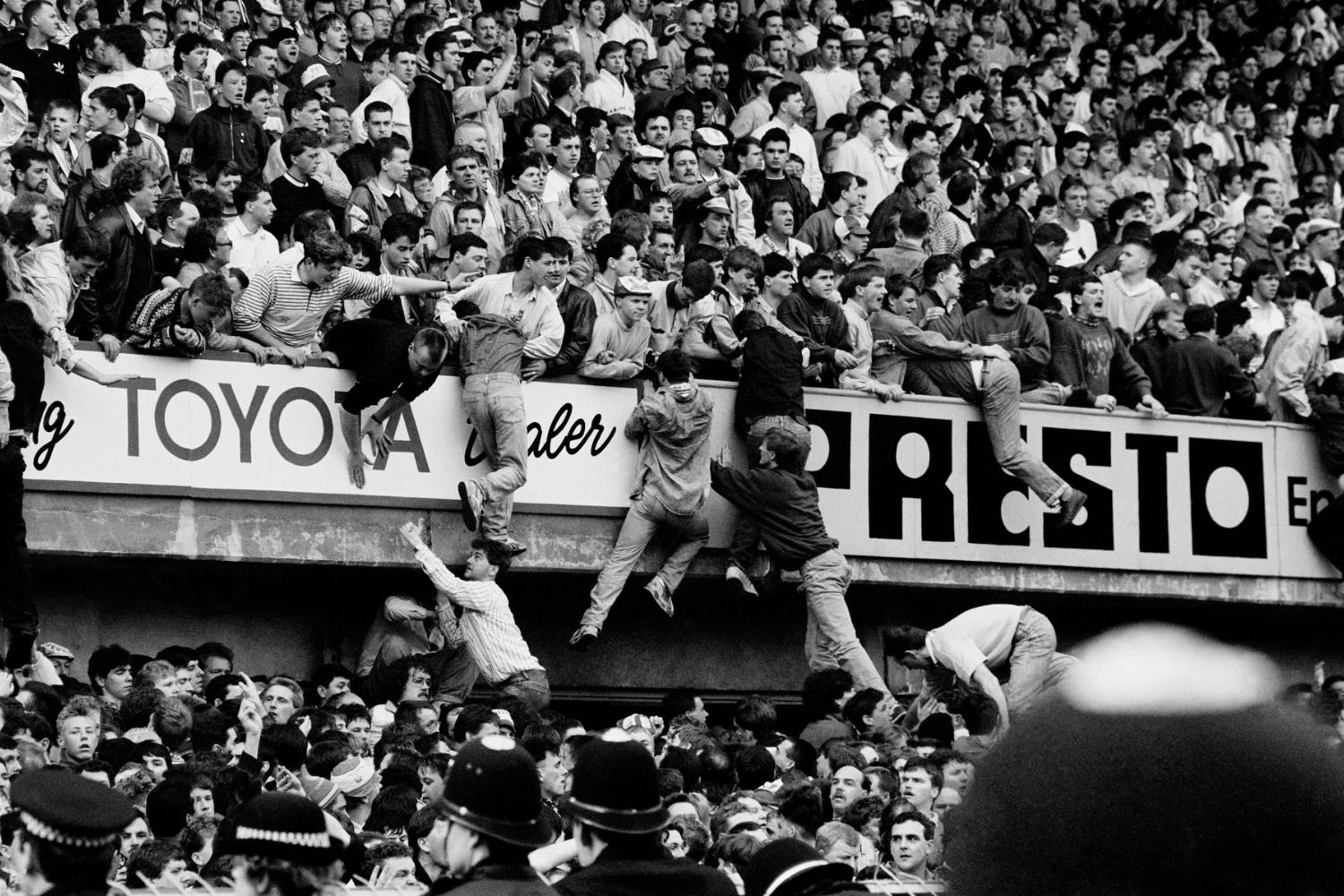
The Hillsborough Disaster remains one of the most tragic events in football history. On April 15, 1989, a crush at Hillsborough Stadium in Sheffield, England, led to the deaths of 97 Liverpool fans. This catastrophe not only shook the sports world but also brought significant changes to stadium safety regulations. What caused the Hillsborough Disaster? Overcrowding in the stands, poor crowd control, and inadequate emergency response were key factors. The incident highlighted the need for better safety measures and accountability in large public gatherings. Understanding these facts helps us remember the victims and ensure such a tragedy never happens again.
The Tragic Day
The Hillsborough Disaster remains one of the most tragic events in football history. On April 15, 1989, a football match between Liverpool and Nottingham Forest turned into a nightmare. Here are some crucial facts about that fateful day.
- The disaster occurred during the FA Cup semi-final match.
- The match was held at Hillsborough Stadium in Sheffield, England.
- Overcrowding in the standing-only central pens of the Leppings Lane stand led to the tragedy.
- A total of 96 Liverpool fans lost their lives due to the crush.
- The disaster is considered the worst stadium-related disaster in British history.
Causes and Consequences
Understanding the causes and consequences of the Hillsborough Disaster helps shed light on the importance of stadium safety and crowd control.
- Poor crowd management and failure to control entry gates contributed to the disaster.
- The police opened an exit gate to alleviate crowding outside, which led to a surge of fans into already crowded pens.
- Inadequate emergency response and lack of medical facilities worsened the situation.
- Many fans were crushed against metal fences designed to prevent pitch invasions.
- The disaster led to significant changes in stadium design and safety regulations.
Immediate Aftermath
The immediate aftermath of the Hillsborough Disaster saw a mix of chaos, grief, and a desperate search for answers.
- The match was abandoned six minutes after kickoff.
- Emergency services struggled to reach the injured due to the sheer number of people.
- Many fans attempted to help the injured and dying, using advertising hoardings as makeshift stretchers.
- The disaster was broadcast live on television, shocking viewers worldwide.
- Initial reports falsely blamed drunken Liverpool fans for the tragedy.
Investigations and Inquiries
Multiple investigations and inquiries followed the disaster, aiming to uncover the truth and hold those responsible accountable.
- The Taylor Report, published in 1990, concluded that the main cause was a failure of police control.
- The report recommended the removal of standing terraces in favor of all-seater stadiums.
- In 2012, the Hillsborough Independent Panel revealed that police and emergency services had altered statements to shift blame onto fans.
- The new inquests in 2016 ruled that the 96 victims were unlawfully killed due to gross negligence by police and ambulance services.
- The findings led to renewed calls for justice and accountability.
Legacy and Reforms
The legacy of the Hillsborough Disaster has had a lasting impact on football and stadium safety worldwide.
- The disaster prompted the introduction of all-seater stadiums in the top two divisions of English football.
- The Hillsborough Family Support Group was established to support the victims' families and campaign for justice.
- Annual memorial services are held at Anfield, Liverpool's home ground, to honor the victims.
- The disaster highlighted the need for better crowd control and emergency planning at large events.
- Hillsborough remains a poignant reminder of the importance of safety and accountability in sports.
Reflecting on the Hillsborough Disaster
The Hillsborough Disaster remains a pivotal moment in football history. It wasn't just a tragic event but a catalyst for change in stadium safety and crowd management. The 96 lives lost on April 15, 1989, serve as a somber reminder of the importance of proper planning and oversight. This tragedy led to the Taylor Report, which revolutionized stadium designs, making them safer for fans worldwide. The fight for justice by the victims' families highlighted the need for accountability and transparency in such incidents. As we remember this dark day, it's crucial to honor the memory of those who perished by ensuring such a disaster never happens again. The lessons learned from Hillsborough continue to shape policies and practices, aiming to protect fans and uphold the integrity of the sport.
Was this page helpful?
Our commitment to delivering trustworthy and engaging content is at the heart of what we do. Each fact on our site is contributed by real users like you, bringing a wealth of diverse insights and information. To ensure the highest standards of accuracy and reliability, our dedicated editors meticulously review each submission. This process guarantees that the facts we share are not only fascinating but also credible. Trust in our commitment to quality and authenticity as you explore and learn with us.