


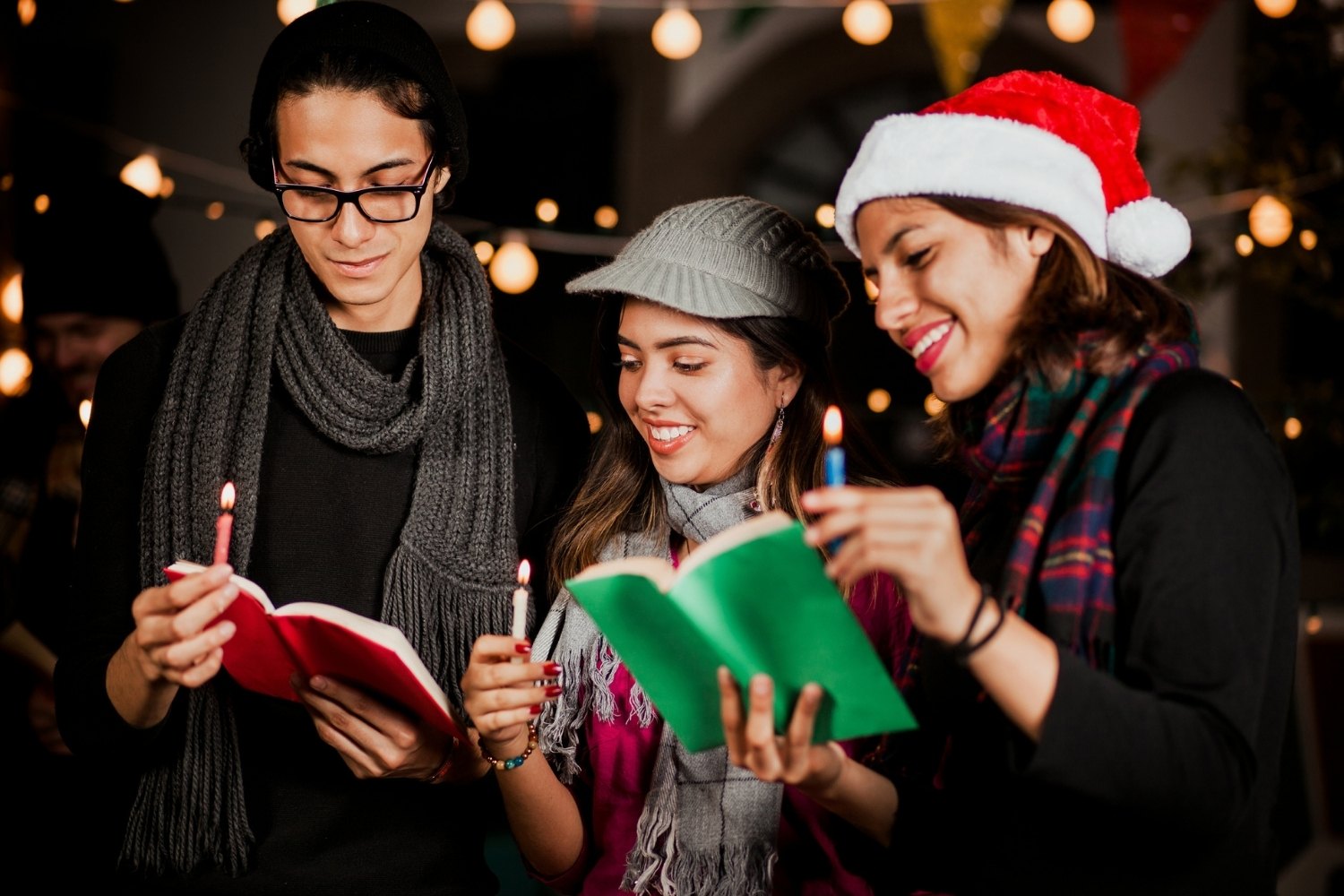
Ever wondered why carolers count as a holiday tradition? Caroling has been around for centuries, bringing joy and festive cheer to neighborhoods. These singers, often bundled up in warm clothes, go door-to-door spreading holiday spirit through song. But there's more to caroling than just the music. From its origins in medieval Europe to its evolution into a beloved Christmas custom, caroling has a rich history filled with interesting tidbits. Did you know that caroling was once banned in England? Or that some carolers dress in Victorian-era costumes to add a historical touch? Whether you’re a fan of "Jingle Bells" or "Silent Night," these 25 facts about carolers will give you a deeper appreciation for this timeless tradition.
Carolers Count: A Festive Tradition
Carolers bring joy and warmth during the holiday season. Their songs echo through neighborhoods, spreading cheer. Let's dive into some fascinating facts about these festive singers.
-
Caroling dates back to the Middle Ages. Originally, carols were not just Christmas songs but included tunes for all seasons.
-
The word "carol" means a dance or a song of praise and joy. It comes from the French word "carole" and the Latin "choraula."
-
Caroling was once banned in England. During the 17th century, the Puritans prohibited Christmas celebrations, including caroling.
-
"Silent Night" is one of the most famous carols. Written in 1818 by Franz Xaver Gruber and Joseph Mohr, it has been translated into over 300 languages.
-
Carolers often dress in Victorian-era clothing. This tradition harks back to the 19th century when caroling became popular in England.
The Songs and Their Stories
Each carol has a unique history. Some are centuries old, while others are relatively new.
-
"Jingle Bells" was originally a Thanksgiving song. Written by James Lord Pierpont in 1857, it became associated with Christmas over time.
-
"O Holy Night" was the first carol ever broadcast on the radio. In 1906, Reginald Fessenden played it on his violin during a Christmas Eve broadcast.
-
"Deck the Halls" is based on a Welsh tune. The melody dates back to the 16th century, while the English lyrics were written in 1862.
-
"The Twelve Days of Christmas" has hidden meanings. Some believe it was used to teach children Christian doctrine during a time of religious persecution.
-
"We Wish You a Merry Christmas" was a demand for treats. Carolers would sing it to receive figgy pudding from wealthy listeners.
Caroling Around the World
Different cultures have their own caroling traditions. Let's explore how caroling varies globally.
-
In the Philippines, caroling starts in September. Known as the longest Christmas season, Filipinos begin their celebrations early.
-
In Mexico, carolers participate in Las Posadas. This nine-day celebration reenacts Mary and Joseph's search for shelter.
-
In Sweden, St. Lucia's Day features caroling. Celebrated on December 13, it honors St. Lucia with songs and a procession.
-
In Australia, caroling often happens outdoors. Due to the warm weather, Australians enjoy "Carols by Candlelight" in parks and public spaces.
-
In Greece, children sing carols called "kalanda." They go from house to house on Christmas Eve, New Year's Eve, and Epiphany Eve.
Fun Facts About Caroling
Caroling has some quirky and interesting aspects. Here are a few fun facts to brighten your day.
-
Caroling can improve your mood. Singing releases endorphins, which can make you feel happier.
-
Some carolers use handbells. This adds a unique musical element to their performances.
-
Caroling can be a form of charity. Many groups sing to raise money for various causes.
-
Caroling flash mobs have become popular. These spontaneous performances surprise and delight unsuspecting audiences.
-
Some carolers travel by horse-drawn sleigh. This old-fashioned mode of transport adds to the festive atmosphere.
Modern Caroling Trends
Caroling has evolved with time. Modern trends have added new dimensions to this age-old tradition.
-
Virtual caroling has emerged. Due to the COVID-19 pandemic, many groups have taken their performances online.
-
Caroling apps are now available. These apps provide lyrics, music, and even virtual choirs for those who want to join in.
-
Some carolers use LED lights in their costumes. This adds a modern twist and makes them more visible at night.
-
Caroling competitions are held worldwide. These events showcase the best caroling groups and their talents.
-
Caroling marathons raise funds for charity. Participants sing for hours, collecting donations for various causes.
Caroling remains a beloved holiday tradition, bringing people together through music and joy.
The Joy of Caroling
Caroling brings people together, spreading cheer and warmth during the holiday season. It's a tradition that dates back centuries, evolving from ancient rituals to the festive activity we know today. Carolers brave the cold, singing their hearts out to bring smiles to neighbors and strangers alike. This simple act of singing can lift spirits, create memories, and foster a sense of community.
Whether you're a seasoned caroler or just enjoy listening, the impact of this tradition is undeniable. It reminds us of the power of music and the importance of togetherness. So next time you hear those familiar tunes, take a moment to appreciate the joy and connection they bring. Caroling isn't just about the songs; it's about the shared experience and the happiness it spreads. Embrace the season, join in the singing, and let the music fill your heart.
Was this page helpful?
Our commitment to delivering trustworthy and engaging content is at the heart of what we do. Each fact on our site is contributed by real users like you, bringing a wealth of diverse insights and information. To ensure the highest standards of accuracy and reliability, our dedicated editors meticulously review each submission. This process guarantees that the facts we share are not only fascinating but also credible. Trust in our commitment to quality and authenticity as you explore and learn with us.