



Chikungunya is a viral disease spread by mosquitoes, causing fever and severe joint pain. Cuba has seen its share of this illness, impacting both locals and tourists. Understanding Chikungunya in Cuba is vital for anyone planning to visit or live there. This article will provide 25 essential facts about the disease, its symptoms, prevention methods, and the Cuban healthcare response. Whether you're curious about how to protect yourself or just want to know more about the virus, these facts will offer valuable insights. Stay informed and stay safe with these key details about Chikungunya in Cuba.
Chikungunya: A Quick Overview
Chikungunya is a viral disease transmitted to humans by infected mosquitoes. It causes fever and severe joint pain, often debilitating. The name "Chikungunya" comes from a word in the Kimakonde language, meaning "to become contorted," reflecting the stooped appearance of sufferers due to joint pain.
Chikungunya in Cuba: The Basics
Cuba, a Caribbean island nation, has faced its share of Chikungunya outbreaks. Understanding the disease's impact on this tropical paradise is crucial.
- Chikungunya first appeared in Cuba in 2014.
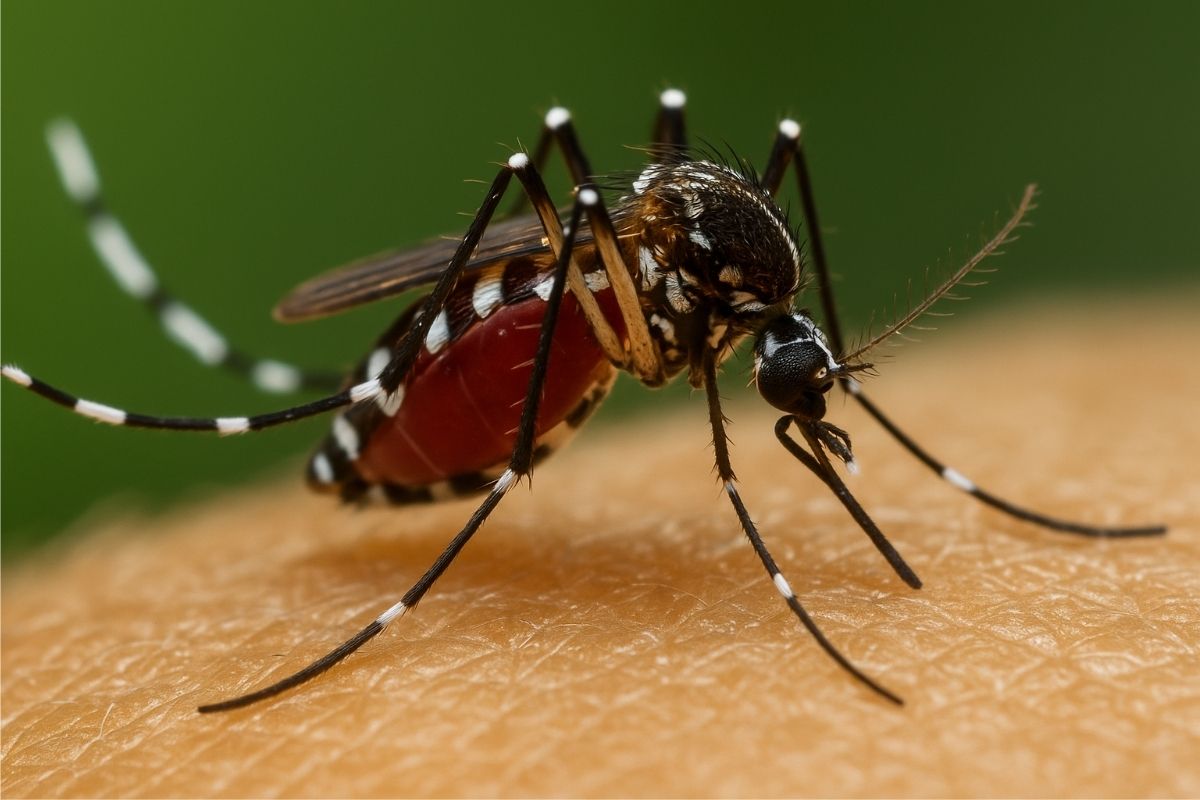
- The Aedes aegypti mosquito, which also spreads dengue and Zika, is the primary vector in Cuba.
- Cuba's tropical climate provides an ideal breeding ground for mosquitoes.
- The Cuban government launched extensive public health campaigns to combat the spread.
- Chikungunya cases in Cuba peaked during the rainy season when mosquito populations surged.
Symptoms and Diagnosis
Recognizing Chikungunya symptoms early can lead to better management and care. Here are some key points about symptoms and diagnosis in Cuba.
- Symptoms include sudden high fever, severe joint pain, muscle pain, headache, nausea, fatigue, and rash.
- Joint pain can last for weeks or even months, significantly affecting quality of life.
- Diagnosis is typically confirmed through blood tests detecting the virus or antibodies.
- Cuban healthcare facilities are equipped to diagnose Chikungunya quickly.
- Early diagnosis helps prevent complications and manage symptoms effectively.
Treatment and Management
While there's no specific antiviral treatment for Chikungunya, supportive care can alleviate symptoms. Here's how Cuba manages treatment.
- Pain relievers and fever reducers like acetaminophen are commonly used.
- Rest and hydration are crucial for recovery.
- Severe cases may require hospitalization for intravenous fluids and pain management.
- Cuban doctors often recommend physiotherapy to help with joint pain recovery.
- Public health education emphasizes the importance of early medical consultation.
Prevention Strategies
Preventing Chikungunya involves reducing mosquito populations and avoiding bites. Cuba has implemented several strategies to keep the disease at bay.
- Regular fumigation campaigns target mosquito breeding sites.
- Public awareness campaigns educate citizens on eliminating standing water where mosquitoes breed.
- Personal protective measures, like using mosquito repellent and wearing long sleeves, are promoted.
- Community involvement is encouraged to ensure neighborhoods remain mosquito-free.
- The Cuban government collaborates with international health organizations to monitor and control outbreaks.
Impact on Cuban Society
Chikungunya has had a noticeable impact on Cuban society, affecting various aspects of daily life.
- Outbreaks can strain the healthcare system, diverting resources from other medical needs.
- Economic productivity suffers as affected individuals are unable to work.
- Tourism, a significant part of Cuba's economy, can be negatively impacted by disease outbreaks.
- Schools and workplaces may experience higher absenteeism during peak outbreak periods.
- Community solidarity and resilience are often strengthened as people work together to combat the disease.
Final Thoughts on Chikungunya in Cuba
Chikungunya in Cuba is a serious issue. Understanding the symptoms, transmission, and prevention methods can help keep you safe. The virus spreads mainly through mosquito bites, so using repellents and nets is crucial. Knowing the history and impact of Chikungunya in Cuba can also help you stay informed.
Healthcare systems in Cuba are working hard to manage and control outbreaks. Staying updated with local health advisories and travel warnings can make a big difference. If you experience symptoms like fever, joint pain, or rash, seek medical attention immediately.
By taking these precautions, you can protect yourself and others from this debilitating disease. Stay informed, stay safe, and help spread awareness about Chikungunya in Cuba.
Was this page helpful?
Our commitment to delivering trustworthy and engaging content is at the heart of what we do. Each fact on our site is contributed by real users like you, bringing a wealth of diverse insights and information. To ensure the highest standards of accuracy and reliability, our dedicated editors meticulously review each submission. This process guarantees that the facts we share are not only fascinating but also credible. Trust in our commitment to quality and authenticity as you explore and learn with us.