



Vigilance is more than just staying alert; it's a crucial skill that impacts daily life, safety, and success. Ever wondered how animals in the wild stay safe from predators or how athletes anticipate their opponents' moves? Vigilance plays a key role. This blog post will dive into 25 intriguing facts about vigilance that will help you understand its importance and how it shapes behavior. From its roots in human evolution to its application in modern technology, these facts will shed light on why staying vigilant matters. Ready to boost your awareness? Let's get started!
What is Vigilance?
Vigilance is the state of being watchful and alert, especially to avoid danger or difficulties. It involves constant attention and readiness to respond to potential threats or changes in the environment. Here are some intriguing facts about vigilance that highlight its importance and impact.
-
Vigilance is crucial for survival. Many animals rely on vigilance to detect predators and avoid becoming prey. For example, meerkats take turns standing guard while others forage for food.
-
Humans have evolved to be vigilant. Early humans needed to be constantly aware of their surroundings to protect themselves from predators and other dangers.
-
Vigilance can be mentally exhausting. Maintaining a high level of alertness over a long period can lead to fatigue and decreased performance.
-
Security personnel rely heavily on vigilance. Guards, police officers, and soldiers must remain vigilant to ensure safety and security.
-
Vigilance is essential in aviation. Pilots and air traffic controllers must stay alert to ensure the safety of flights.
The Science Behind Vigilance
Understanding the science behind vigilance can help us appreciate its complexity and significance. Here are some fascinating scientific facts about vigilance.
-
The brain's reticular activating system (RAS) plays a key role in vigilance. The RAS helps regulate wakefulness and attention.
-
Vigilance involves multiple brain regions. Areas such as the prefrontal cortex, parietal cortex, and thalamus are all involved in maintaining alertness.
-
Neurotransmitters like dopamine and norepinephrine are crucial for vigilance. These chemicals help regulate attention and arousal.
-
Sleep deprivation negatively impacts vigilance. Lack of sleep can lead to decreased alertness and slower reaction times.
-
Caffeine can temporarily boost vigilance. This stimulant increases alertness by blocking adenosine receptors in the brain.
Vigilance in Everyday Life
Vigilance isn't just for security personnel or animals; it plays a significant role in our daily lives. Here are some examples of how vigilance affects us every day.
-
Driving requires constant vigilance. Drivers must stay alert to react to changing traffic conditions and avoid accidents.
-
Parents need to be vigilant. Keeping an eye on young children to ensure their safety is a constant task for parents.
-
Students benefit from vigilance. Staying focused and alert in class helps students absorb information and perform better academically.
-
Vigilance is important in the workplace. Employees who remain alert are more likely to notice potential hazards and avoid accidents.
-
Athletes rely on vigilance. Staying focused during a game or competition can make the difference between winning and losing.
The Impact of Technology on Vigilance
Technology has both positive and negative effects on our ability to stay vigilant. Here are some interesting facts about how technology influences vigilance.
-
Smartphones can be a distraction. Constant notifications and alerts can reduce our ability to stay focused and vigilant.
-
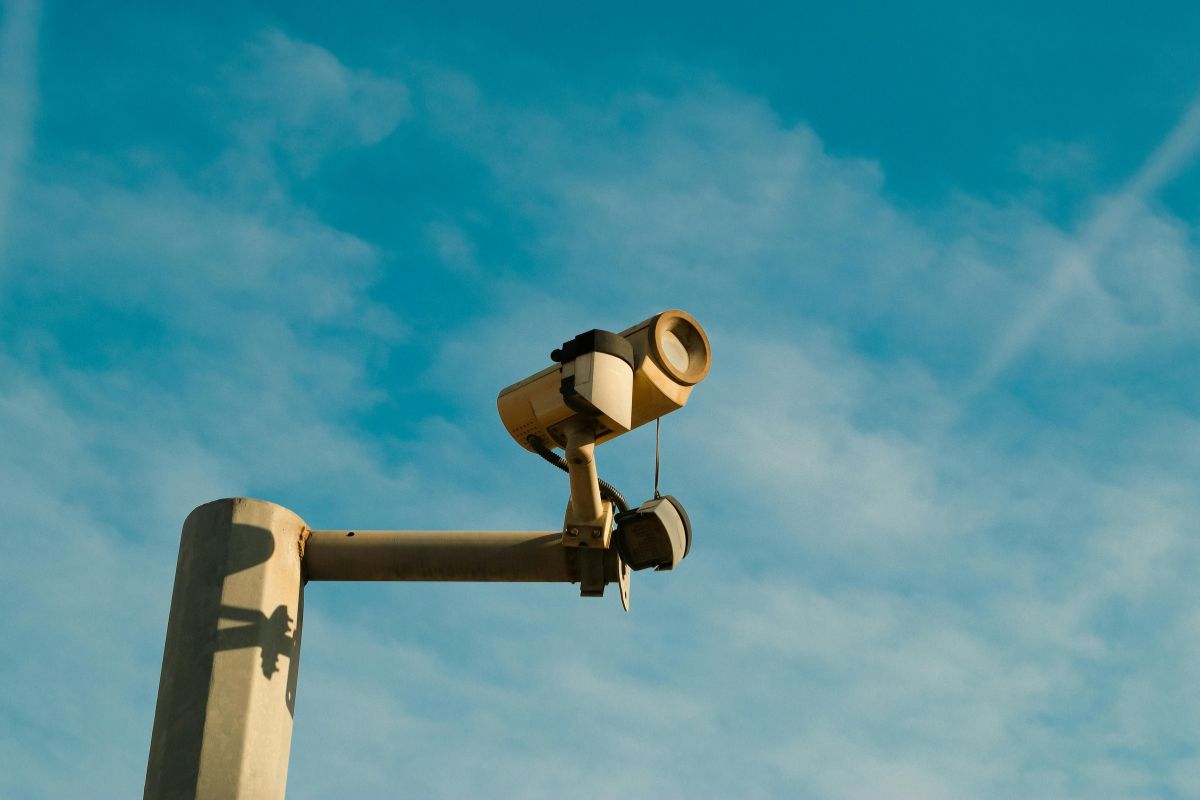
Surveillance technology enhances vigilance. Cameras and monitoring systems help security personnel keep an eye on large areas.
-
Wearable technology can improve vigilance. Devices like smartwatches can monitor fatigue levels and alert users when they need to take a break.
-
Video games can train vigilance. Certain games require players to stay alert and react quickly, which can improve their overall vigilance.
-
Automation can reduce the need for vigilance. Automated systems can handle repetitive tasks, allowing humans to focus on more critical activities.
The Role of Vigilance in Health and Safety
Vigilance is vital for maintaining health and safety in various contexts. Here are some facts about how vigilance contributes to our well-being.
-
Healthcare professionals must be vigilant. Doctors and nurses need to stay alert to provide the best care for their patients.
-
Vigilance helps prevent accidents. Being aware of potential hazards can reduce the risk of injuries at home, work, or in public spaces.
-
Mental health can affect vigilance. Conditions like anxiety and depression can impact a person's ability to stay alert.
-
Regular exercise can improve vigilance. Physical activity increases blood flow to the brain, enhancing alertness and cognitive function.
-
Mindfulness practices can boost vigilance. Techniques like meditation and deep breathing can help improve focus and attention.
Staying Sharp: The Key to Vigilance
Vigilance is more than just staying awake. It's about being alert, aware, and ready to respond to whatever comes your way. Whether you're a security guard, a driver, or just someone who wants to stay safe, being vigilant can make all the difference. Remember, it's not just about watching out for danger but also about noticing the small details that others might miss. Practice mindfulness, take regular breaks, and keep your mind and body healthy. These simple steps can boost your alertness and keep you sharp. Stay curious, stay observant, and always be prepared. Vigilance isn't just a skill; it's a mindset. Keep honing it, and you'll find yourself more prepared for life's unexpected moments. Stay sharp, stay safe, and keep your eyes open.
Was this page helpful?
Our commitment to delivering trustworthy and engaging content is at the heart of what we do. Each fact on our site is contributed by real users like you, bringing a wealth of diverse insights and information. To ensure the highest standards of accuracy and reliability, our dedicated editors meticulously review each submission. This process guarantees that the facts we share are not only fascinating but also credible. Trust in our commitment to quality and authenticity as you explore and learn with us.